






Bad weather, a tight schedule, or just not wanting to leave the house can make getting your daily steps feel impossible. But you don't need a treadmill or even a lot of space to get a great cardio workout. Here’s how to walk your way to fitness at home.
The Undeniable Perks of Walking Indoors
Walking in place is a powerful, low-impact exercise that's gentle on your joints while still boosting your heart health. It's an incredibly convenient option because it requires no special equipment, just a good pair of shoes. You can do it anytime, regardless of the weather or time of day, making it easier to build a consistent routine. This type of exercise has been shown to improve cardiovascular health, help manage weight, strengthen leg muscles, and enhance balance. You can even fit it into small pockets of your day, like during TV commercials or while on the phone, turning idle moments into active ones.
Setting Yourself Up for Success
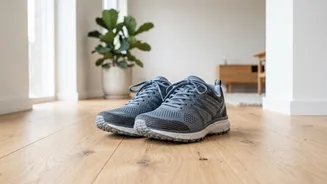
Getting started is simple. Find a small, clear space where you can march in place comfortably. While you can do it barefoot, wearing supportive shoes is recommended for comfort and stability, especially on hard floors. To make sure you're working hard enough, aim for a pace that gets your heart rate up. A good benchmark for moderate intensity is around 100 steps per minute. You can track this with a fitness watch, a pedometer app on your phone, or simply by counting your steps for 15 seconds and multiplying by four. Start with shorter sessions, like 10-15 minutes, and gradually increase the duration as your stamina improves.
Turn Up the Intensity, No Gadgets Needed
Walking in place doesn't have to be monotonous. To prevent boredom and challenge your body, it’s crucial to add variety. One of the easiest ways to increase the intensity is by incorporating intervals: alternate between a brisk pace for one minute and a slower, recovery pace for two minutes. You can also make the movements bigger. Pumping your arms more vigorously will help burn more calories. Lifting your knees higher, as if you're marching, engages more of your core and leg muscles. Other simple variations include butt kicks (kicking your heels toward your glutes), side steps, and walking forward and backward in your space.
Build Your Own Walking Circuit
Combine different movements into a structured routine to create a more dynamic and engaging workout. Think of it like a fitness class in your living room. You can follow along with countless free online videos that guide you through routines, often set to music. Or, create your own circuit. Try a pattern like this: 1. March in place for 3 minutes as a warm up. 2. Do 1 minute of high knees. 3. Follow with 1 minute of side to side steps. 4. Add 1 minute of butt kicks. 5. Finish with 1 minute of walking lunges (if you have space) or exaggerated marching. Rest for one minute, then repeat the circuit 2 to 3 times for a complete, 15 to 20 minute workout. Adding arm movements like bicep curls or shoulder presses during your walk can also boost the calorie burn and tone your upper body.
Making Your Indoor Walk a Daily Habit
The key to seeing the benefits of any exercise is consistency. To make your indoor walking workout a regular part of your life, try 'habit stacking'. Link your walk to an existing daily activity, like doing it for 15 minutes right after your morning coffee or while your dinner is cooking. Setting a small, achievable goal, like hitting 2,000 steps in your living room, can be a great motivator. As you get stronger, you can increase your step or time goal. Remember that even short bursts of activity add up. Several 10 minute 'exercise snacks' throughout the day can be just as effective as one longer session.