



Understand Your Balcony's Sunlight
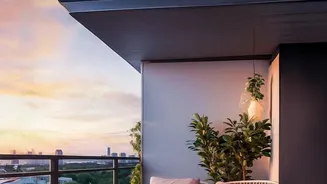
Before you buy a single plant, become a sunlight detective. The direction your balcony faces is the most critical factor for success. A south-facing balcony gets strong, all-day sun, perfect for heat-lovers like bougainvillea, hibiscus, and marigolds.
East-facing balconies get gentle morning sun, ideal for many foliage plants and flowers that don't like intense heat. West-facing spots get hot afternoon sun, which can be stressful for some plants. North-facing balconies receive the least direct light and are best for shade-tolerant plants like ferns, snake plants, and money plants. Spend a day tracking how many hours of direct sun different parts of your balcony receive. This knowledge is your roadmap to choosing plants that will thrive, not just survive.
Master the Art of Watering
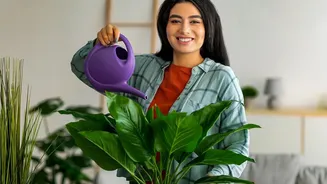
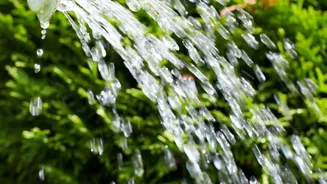
Improper watering is the number one reason container gardens fail. Unlike plants in the ground, balcony pots dry out fast due to wind and limited soil. The golden rule is to water only when needed. Forget a rigid schedule and use the 'finger test': stick your finger an inch or two into the soil. If it feels dry, it's time to water; if it's moist, wait another day. When you do water, do it thoroughly. Pour water slowly at the base of the plant until you see it run out of the drainage holes. This ensures the entire root system gets a drink. Morning is the best time to water, as it reduces evaporation and allows leaves to dry, preventing fungal issues. Always avoid getting the foliage wet; aim for the soil.
The Foundation: Soil and Pots
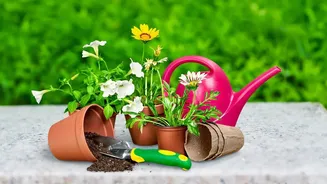
The right foundation can make all the difference. Never use heavy soil directly from a garden, as it compacts easily in pots, choking roots and holding too much water. Instead, use a quality potting mix designed for containers. These mixes are lighter and engineered for good drainage and aeration, often containing ingredients like peat moss, coco coir, perlite, and compost. Just as important is your choice of pot. Ensure every container has drainage holes at the bottom. Without them, excess water has nowhere to go, leading to waterlogged soil and root rot, which is a swift end for any plant. If your decorative pot lacks holes, you can keep the plant in a smaller plastic pot with holes and place it inside the decorative one.
Choosing Your Green Companions
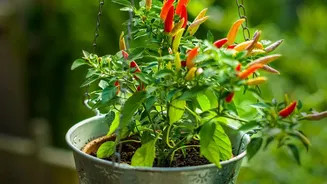
Once you know your sunlight and have your pots ready, the fun begins. For sunny Indian balconies, heat-tolerant flowers like bougainvillea, portulaca (moss rose), and periwinkle (sadabahar) are excellent choices that provide vibrant color with minimal fuss. Marigolds and hibiscus are also fantastic, resilient options. For balconies with less direct sun, or for bringing greenery indoors near the balcony door, focus on foliage. Money plants, snake plants, and aloe vera are incredibly forgiving and thrive in various conditions. When starting out, it's wise to choose a few low-maintenance plants to build your confidence. Grouping plants with similar light and water needs also makes caring for them much simpler.
Ongoing Care and Maintenance
A little regular attention keeps your green space vibrant. Container plants have limited access to nutrients, so they'll need feeding. Use a balanced liquid fertilizer every few weeks during the growing season, following the instructions on the package. Regularly remove any yellowing leaves or spent flowers (a process called deadheading) to encourage the plant to produce new growth and more blooms. Keep an eye out for common pests like aphids or spider mites. Wiping them off with a damp cloth or using a simple neem oil spray is often enough to keep them in check. Finally, rotate your pots every week or so to ensure all sides of the plant get some light, promoting even growth.