





The Monsoon's Fungal Boom
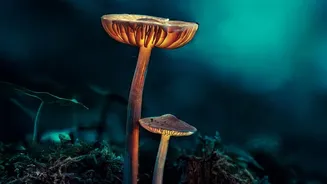
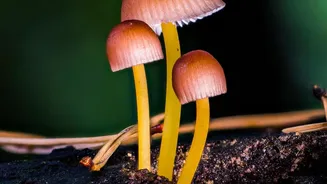
Mushrooms are essentially the reproductive organs of a much larger fungal organism, the mycelium, which lives underground year-round. Fungi thrive in moist, humid conditions. The monsoon provides the perfect storm of environmental triggers: the soil becomes
saturated with water, and the air is heavy with humidity. This combination allows the mycelium to absorb nutrients and sends up its fruiting bodies—the mushrooms we see—to release spores and reproduce. The damp, moderate temperatures are ideal for this rapid growth, which is why forests, fields, and even lawns suddenly teem with fungi after the first few showers.
The Forager's Dilemma
Foraging for wild edibles is a practice steeped in tradition across many Indian communities. However, when it comes to mushrooms, this tradition can be deadly. The primary danger lies in misidentification. Many poisonous mushrooms bear a striking resemblance to edible species. For instance, the deadly Death Cap mushroom (Amanita phalloides), which is responsible for the majority of fatal mushroom poisonings worldwide, can be mistaken for the edible Paddy Straw mushroom. There are no simple home tests to distinguish a safe mushroom from a toxic one. Factors like colour, shape, or whether an animal has nibbled on it are unreliable indicators of safety. Furthermore, cooking, peeling, or drying does not neutralize the toxins in poisonous varieties.
Common Culprits and Their Dangers
India is home to numerous poisonous mushroom species, with small variations in appearance making identification a job for experts only. Species from the Amanita genus, such as the lethal Death Cap and Destroying Angel, are particularly notorious. These contain potent toxins called amatoxins, which cause irreversible liver and kidney damage. Other common toxic varieties found in India include Chlorophyllum molybdites, often called the “false parasol,” which sprouts in lawns and gardens and causes severe gastrointestinal distress. Some species of Inocybe and Clitocybe contain muscarine, a toxin that affects the nervous system.
Symptoms You Cannot Ignore
Mushroom poisoning, or mycetism, presents with a wide range of symptoms depending on the species consumed. The most common signs are gastrointestinal, including nausea, vomiting, stomach cramps, and severe diarrhoea, which can appear anywhere from 20 minutes to several hours after ingestion. While some cases resolve after the irritant is expelled, others are far more sinister. With amatoxin poisoning, there is often a deceptive latency period of 6 to 24 hours with no symptoms, followed by violent gastrointestinal issues. This can then lead to a phase of apparent recovery before severe liver and kidney failure begins, which is often fatal if not treated immediately. Other toxins can cause neurological symptoms like confusion, hallucinations, or seizures.
The Golden Rules of Mushroom Consumption
Given the high stakes, exercising extreme caution is paramount. The single most important rule is to never eat a wild mushroom unless you are an expert mycologist who is 100% certain of its identification. Authorities consistently advise the public to avoid foraging for mushrooms entirely. Instead, purchase mushrooms only from reliable sources like supermarkets, greengrocers, or trusted, licensed vendors. Even with cultivated mushrooms, proper handling is key. Wash them thoroughly and cook them well, as they grow in soil and can harbor bacteria, especially in the damp monsoon weather. When trying a new type of mushroom, even from a store, it's wise to eat a small amount first to see how your body reacts.