





The Great Outdoor Migration
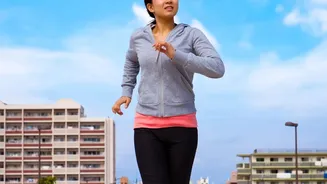
Not long ago, the pinnacle of urban fitness was a membership at a high-tech gym. Today, that picture is changing. Across cities like Mumbai, Delhi, and Bengaluru, public parks such as Lodhi Garden, Cubbon Park, and the Marine Drive promenade are buzzing
with activity well before the sun rises. This isn't just a handful of dedicated athletes; it's a diverse crowd of young professionals, students, and families reclaiming outdoor spaces for their daily dose of exercise. The trend signifies a move away from the solitary, machine-driven workout towards a more holistic and communal form of fitness. This shift was accelerated by the pandemic, which made people re-evaluate the confines of indoor spaces and rediscover the simple, accessible joy of being outside.
More Than Just a Workout
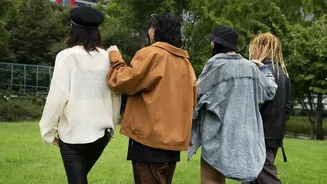
One of the most significant drivers of this trend is the search for community. In an era of rising urban loneliness, running clubs have emerged as powerful social forces. Groups like the Delhi Runners Group and Hyderabad Runners Society provide structure, motivation, and a sense of belonging that a treadmill cannot. These clubs often transform a solitary run into a shared social activity, with post-jog coffees and breakfasts becoming part of the ritual. For many young people, these fitness meetups are becoming a 'third place'—a crucial social environment outside of home and work. This new social wellness culture offers a lower-pressure environment than a competitive gym, focusing on consistency and connection over performance metrics.
The Health and Financial Benefits
The appeal of outdoor jogging is reinforced by clear health benefits. Studies have shown that exercising in natural environments is linked to greater feelings of revitalization and positive engagement while reducing tension, anger, and depression. The exposure to fresh air and morning sunlight provides a mental health boost that indoor lighting cannot replicate. Beyond the psychological advantages, there's a compelling financial one: it's free. As gym memberships and boutique fitness classes become increasingly expensive, the accessibility of a public park makes fitness available to a much wider demographic, breaking down economic barriers to a healthier lifestyle.
Improved Spaces and Changing Perceptions
This fitness renaissance is also supported by civic action. Many municipal bodies are investing in creating fitness-friendly urban landscapes, developing public parks with well-maintained jogging tracks, better lighting, and even outdoor gym equipment. In cities from Pune to Ahmedabad, the improvement of green spaces has made them safer and more inviting. This infrastructural push coincides with a broader cultural shift where fitness is no longer seen as a siloed activity but as an integrated part of daily life. People are realising that movement is key, and accessible outdoor spaces are crucial for building that habit into their everyday routines.
Challenges on the Track
Despite the positive momentum, the trend is not without its hurdles. Safety remains a significant concern, particularly for women running early in the morning or late at night. While running groups can offer safety in numbers, infrastructure like adequate lighting and security patrols is not yet universal. Air pollution in major metropolitan areas can also turn a healthy habit into a health risk, forcing runners to constantly monitor air quality indexes. Finally, the variable Indian climate, from scorching summer heat to monsoon downpours, presents a practical challenge that enclosed gyms easily overcome.