



Giving Old Silk a New Story
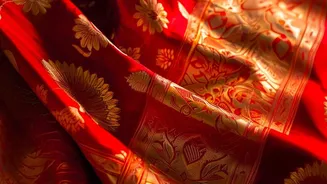
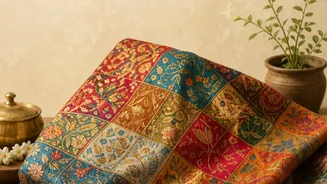
Upcycling a vintage saree is more than just a craft project; it's an act of love. It’s a sustainable choice that breathes new life into fabrics that are too precious to discard. Those rich colours, intricate zari borders, and lustrous pallus can become
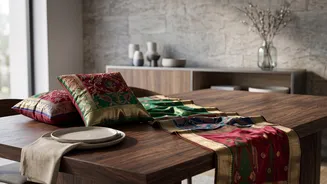
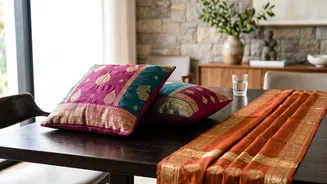
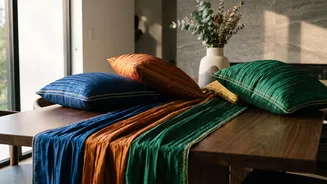
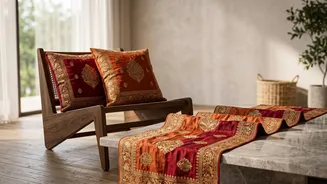
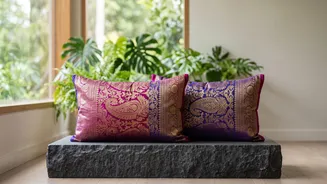
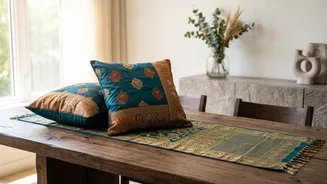
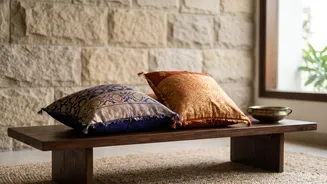
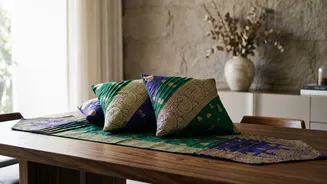
the highlight of your festive decor, adding a personalised and elegant touch that store-bought items simply cannot replicate. Whether it's your mother’s wedding saree or a treasured heirloom, turning it into a cushion cover or table runner preserves its emotional value in a functional, beautiful new form.
Gathering Your Crafting Essentials
Before you begin, a little preparation goes a long way. Having the right tools on hand will make the process smooth and enjoyable. You will need: your chosen silk saree, a sewing machine, sharp fabric scissors, a measuring tape, and thread that matches your fabric. For cushion covers, you’ll also need cushion inserts and a plain, sturdy fabric for the backing, especially if the saree silk is delicate. For a table runner, consider getting a lining fabric to add weight and stability. Finally, keep fabric chalk or a marker for accurate cutting.
Preparing the Saree Fabric
Vintage silk is delicate and requires careful handling. Before making the first cut, inspect the entire saree for any tears, stains, or weakened areas. It’s a good idea to gently hand wash the saree with a mild detergent and let it air dry completely. Once dry, press it on a low heat setting, preferably with a pressing cloth on top to protect the delicate fibres from scorching. This preparation ensures your fabric is clean, smooth, and ready for its transformation, and you can plan your cuts around any imperfections.
How to Create a Simple Cushion Cover
Making an envelope-style cushion cover is a fantastic project for beginners. First, measure your cushion insert. For the front piece, cut a square from the most decorative part of your saree (like the pallu or a bordered section) that is the same size as your insert, plus a 1-inch seam allowance on all sides. For the back, cut two rectangular pieces of your backing fabric. They should be the same width as the front piece, but their length should be half the length of the front piece plus an extra 5 inches. Hem one long edge of each back piece. Now, lay the front piece right-side up. Place the two back pieces on top, right-sides down, with their hemmed edges overlapping in the middle. Pin all layers together and sew around all four sides. Trim the corners, turn the cover right-side out, and insert your cushion.
Designing a Dazzling Table Runner
A table runner is even simpler to create and can instantly elevate your dining space. Measure the length and desired width of your table, adding about 6-12 inches of overhang on each end. Cut a long rectangular piece from your saree. Often, using the saree’s existing border along the length of the runner gives a professionally finished look with minimal effort. If your silk is lightweight, cut an identical piece from a lining fabric and sew the two pieces together, right-sides facing, leaving a small gap to turn it inside out. Once turned, press it flat and stitch the opening closed. For extra flair, you can add tassels or beads to the shorter ends.
Expert Tips for Sewing with Silk
Silk can be slippery and prone to fraying, but don't be intimidated. Use a fine, sharp needle (a size 70/10 is ideal) in your sewing machine to prevent pulls and snags. To stop the fabric from slipping while you cut, you can place it between two layers of tissue paper. Sew slowly and avoid stretching the fabric. Using a walking foot on your machine can also help feed the slippery layers of fabric evenly. For seams, a French seam is a great technique to encase the raw, fraying edges for a clean, durable finish inside your project.