
A Rebellion Woven in Thread
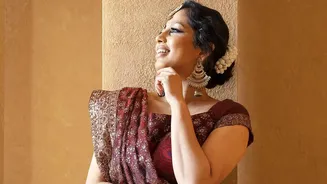
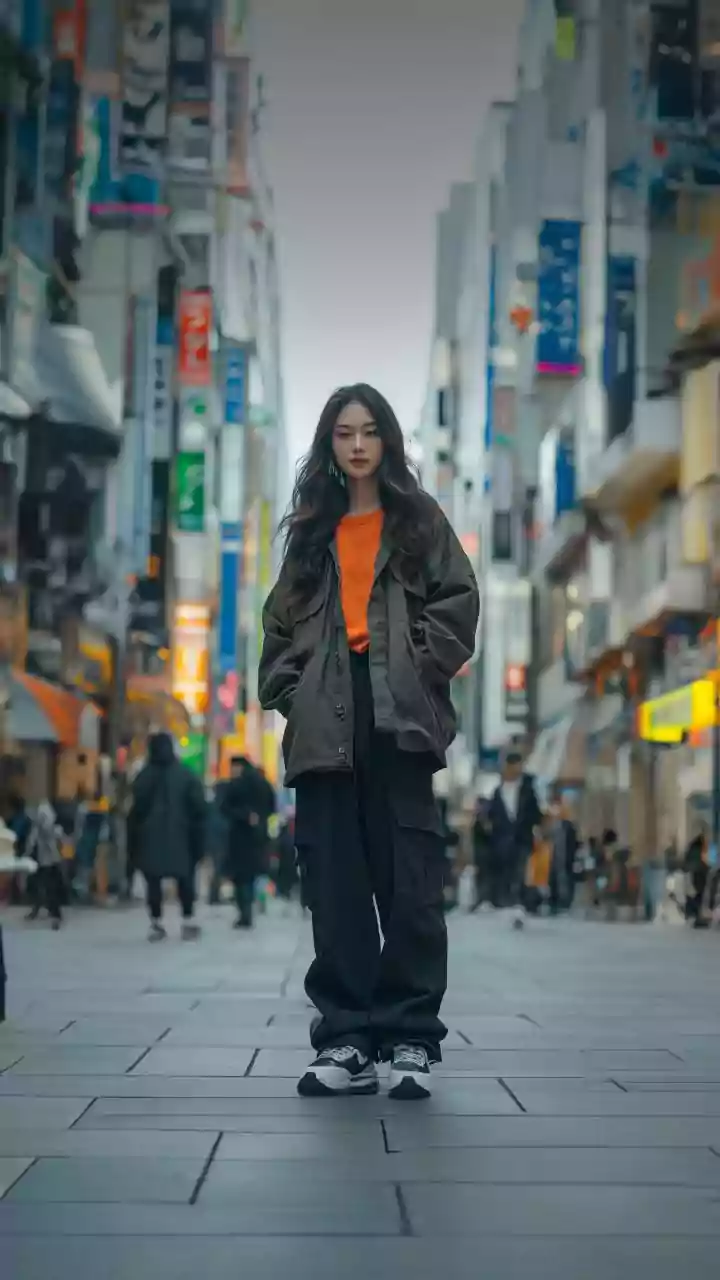
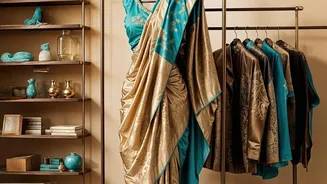
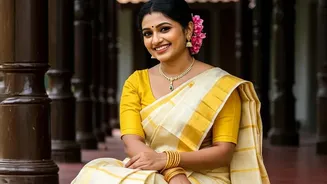
Streetwear in India is no longer just about imported hoodies and sneakers. It's becoming a canvas for cultural expression. A new generation of designers is turning to the country's rich textile heritage, taking handwoven fabrics once reserved for saris
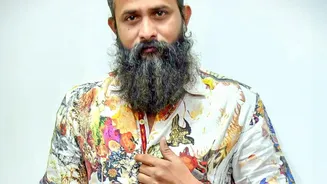
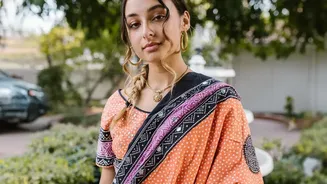
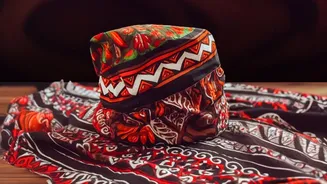
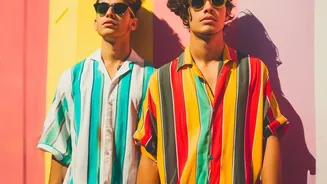
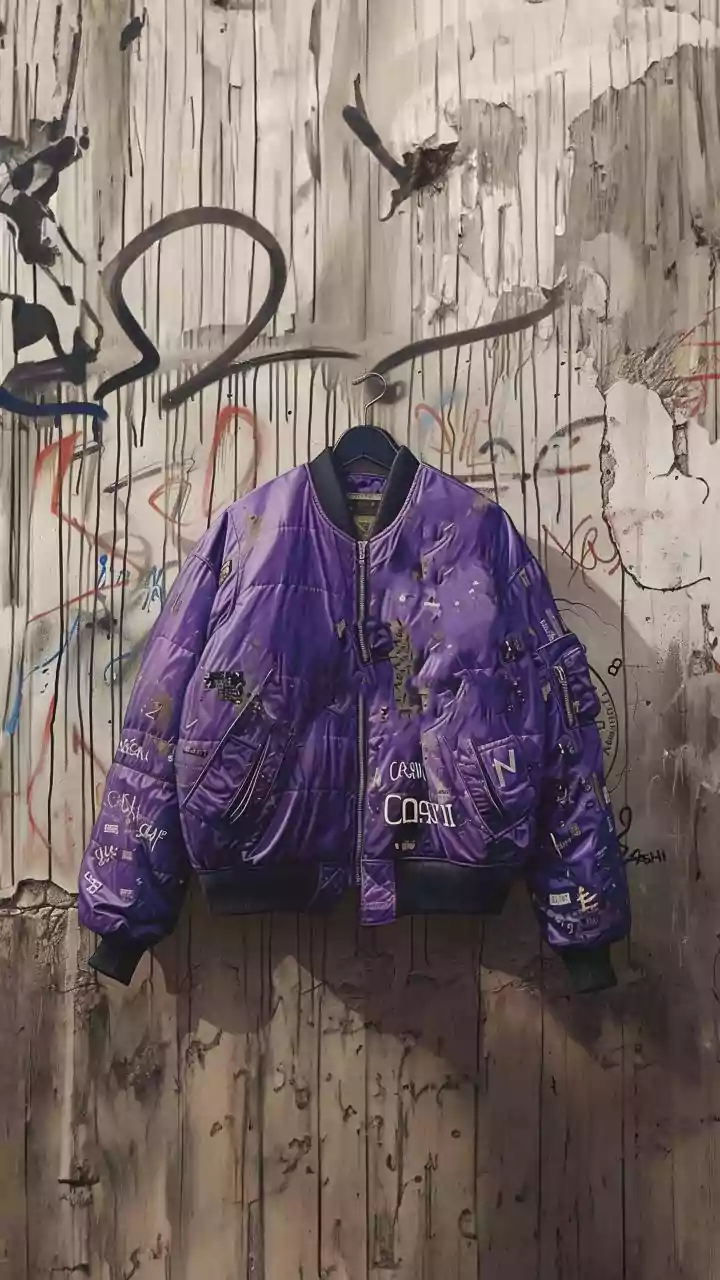
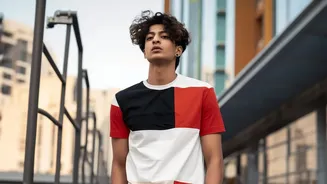
and dhotis and transforming them into bomber jackets, oversized shirts, and cargo pants. This isn't just a fashion trend; it's a movement. It's about reclaiming a narrative, proving that heritage fabrics like Khadi, Ikat, and Jamdani can be as relevant and edgy as any global brand. This fusion is giving birth to a unique aesthetic that feels both deeply personal and globally current, a style that speaks of roots and rebellion in the same breath.
The New Artisans of Cool
Leading this charge are labels that think beyond seasonal trends. Brands like NorBlack NorWhite have made a name for themselves by taking traditional techniques like Bandhani tie-dye and applying them to contemporary, gender-fluid silhouettes like track sets and worker jackets. Others, like the label 11.11 / eleven eleven, have focused on re-engineering fabrics like Khadi for modern life, creating everything from tailored separates to hand-spun denim. These designers aren't just using old fabrics; they are collaborating directly with artisan clusters, ensuring that centuries-old skills are not only preserved but are also part of a vibrant, living creative process. The result is clothing that tells a story, where every thread connects the wearer to the weaver.
More Than Just Fabric
The appeal of handloom streetwear goes beyond aesthetics. For a growing number of young, conscious consumers, it represents a move towards sustainability and ethical production. Handloom weaving has a low carbon footprint, and by its very nature, it champions slow fashion over the wasteful cycle of mass production. Choosing a handwoven garment is a statement against the uniformity of fast fashion. It’s an investment in craftsmanship, durability, and a piece of clothing with a soul. Each fabric has subtle variations—an irregularity in the weave or a slight shift in colour—that serve as a reminder of the human hands that created it, making each piece truly one-of-a-kind.
Weaving a Viable Future
Despite the growing interest, the path isn't without challenges. Handloom production is time-intensive and can be difficult to scale. Designers and artisans face stiff competition from cheaper, machine-made textiles. The price point can also be a hurdle for a generation accustomed to fast-fashion budgets. Yet, there is a powerful opportunity. By creating a market for these textiles in a contemporary context, these designers are helping to provide sustainable livelihoods for weaving communities, many of which have seen their numbers decline. They are bridging a generational gap, making heritage feel exciting and accessible, and ensuring that the loom continues to be a tool for innovation, not just a relic of the past.