




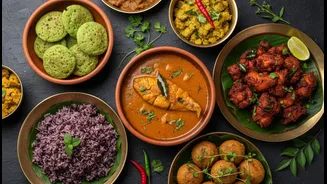


The Monsoon's Culinary Call
As the rains sweep across India, a familiar desire for hot chai and crispy pakoras takes hold. But beyond this classic pairing, a more thoughtful culinary movement is blossoming. Restaurants and chefs are increasingly curating special monsoon menus that
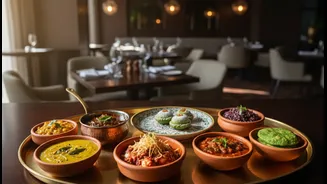
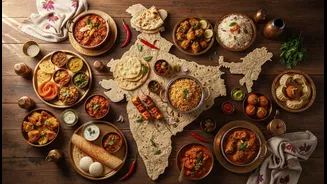
do more than just satisfy a craving; they tell a story. This trend moves past the clichés, embracing the season as a chance to innovate and reconnect with tradition. From pop-up food festivals celebrating the street foods of India's famous railway journeys to fine-dining establishments showcasing the royal cuisines of Lucknow and Hyderabad, the monsoon has become a canvas for gastronomic creativity. It’s a deliberate shift, transforming the rainy-day meal into a destination experience.
From the Earth, Rain-Washed
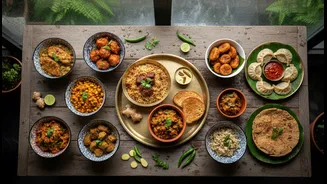
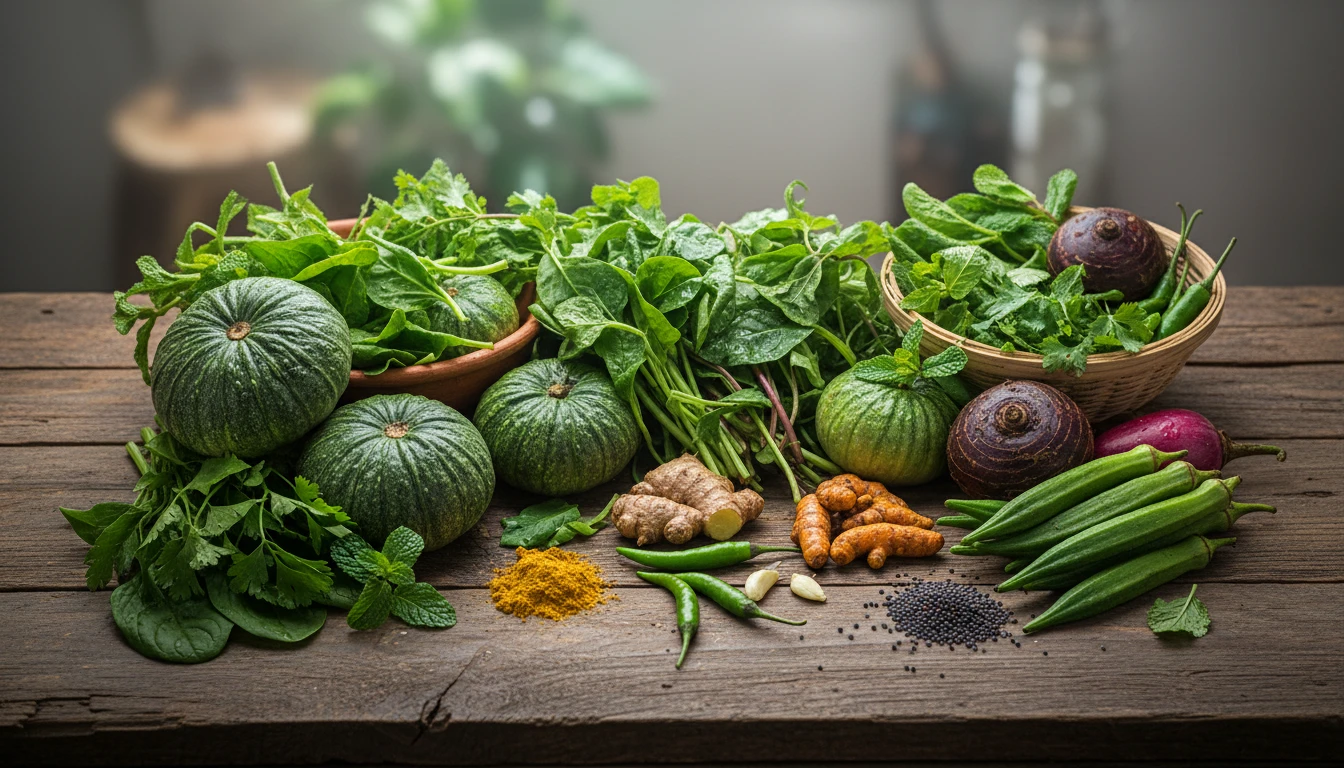
The true star of these seasonal menus is the produce that thrives during the monsoon. After the scorching summer, the rains bring forth a unique bounty. In the Konkan region, for instance, colocasia leaves (alu) grow in abundance, finding their way into steamed and fried snacks like Patra. In the Northeast, tender bamboo shoots become a delicacy, cooked into tangy, earthy curries that are a seasonal staple. Chefs also celebrate other rain-fed treasures like freshly harvested corn, roasted over coals and rubbed with spices, wild mushrooms, and a variety of gourds. This focus on seasonality means diners get to experience ingredients at their freshest, with flavours and textures that are fleeting and deeply connected to the time of year.
A Story in Every Bite
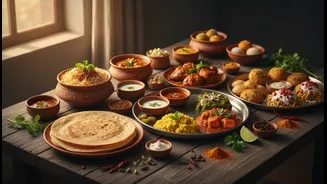
Many monsoon dishes are steeped in regional history and family traditions, and chefs are now bringing these narratives to the forefront. In Bengal, the quintessential monsoon meal is Khichuri, a comforting gruel of rice and lentils, often served with a dollop of ghee, fried fish like Hilsa, and an assortment of fritters. It's a dish that speaks of home and shared family meals during a downpour. In Goa, the arrival of fresh turmeric leaves heralds the making of Patolis, a sweet rice pancake steamed inside the fragrant leaves, often prepared for festivals that fall during this season. These recipes are more than just food; they are edible heirlooms, connecting younger generations to their cultural roots and preserving culinary knowledge passed down through generations.
Texture, Warmth, and Wellness
A well-crafted monsoon menu is a study in contrasts. It plays with textures that are especially satisfying when it’s wet and gloomy outside—the delightful crunch of a perfectly fried Maharashtrian Kanda Bhaji or a Keralan Parippu Vada against the soothing warmth of a hearty soup or a gentle stew. But there's a deeper science at play, too. According to Ayurveda, the monsoon is a season when digestion can be sluggish. Many traditional recipes naturally account for this, using spices like ginger, black pepper, and turmeric not just for flavour but also to aid digestion and provide warmth. Dishes like spicy pepper rasam or hot congee are comforting and also align with the body's needs during this time, making the meal a holistic experience of taste and well-being.