




The Rise of Value Fashion
Across India's cities and towns, a retail revolution is underway. Homegrown value fashion brands, including Tata’s Zudio, Reliance Retail’s Yousta, and Landmark Group’s Max Fashion, are expanding at a blistering pace. Zudio, a standout success, crossed
the US $1 billion revenue mark in FY25 and now operates over 765 stores. These brands are tapping into a massive market of young, aspirational shoppers in Tier-2 and Tier-3 cities who are eager for stylish clothing that doesn’t break the bank. The Indian apparel market is one of the fastest-growing in the world, projected to expand at 10-12% annually, and these value chains are capturing the lion's share of that growth. Their success has been so profound that it is squeezing traditional mid-market retailers, who are struggling to compete on either price or premium appeal.
The Allure of Accessibility
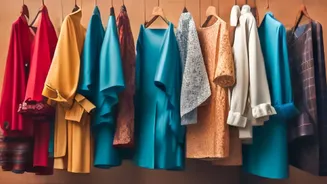
The core strategy of these chains is built on a simple but powerful promise: making fashion accessible to everyone. Zudio’s model, for example, focuses on three pillars: accessible prices, accessible fashion, and accessible locations. By keeping most items under ₹999, they have successfully targeted a huge segment of price-conscious consumers. This is achieved through a hyper-efficient, vertically integrated supply chain that allows for rapid inventory refreshes, sometimes as quickly as every two weeks. By controlling everything from design to distribution, these companies cut out middlemen and pass the savings on to the customer. This model directly caters to a 'see it, buy it' culture, heavily influenced by social media, where the desire for newness and variety often trumps the need for long-lasting quality.
The Hidden Cost of a Bargain
However, this convenience comes at a price that isn't on the tag. The fast fashion model is intrinsically linked to a 'disposable clothing culture'. The very business model that offers trendy, low-cost items also relies on lower-quality materials and construction, leading to shorter garment lifespans. This cycle of frequent purchasing and discarding is fueling a massive waste crisis. India's textile industry is now the third-largest generator of dry waste, producing nearly 7,800 kilotonnes annually. The environmental impact is staggering. A single cotton t-shirt can consume up to 2,700 litres of water to produce, while synthetic fabrics shed microplastics with every wash. Furthermore, the dyeing and finishing processes contribute significantly to water pollution, with toxic runoff contaminating rivers and groundwater.
A Generational Shift in Values
This trend highlights a potential shift in consumer values, particularly between generations. For many older Indians, clothing purchases were investments. Quality fabric, good tailoring, and durability were paramount. Clothes were meant to last for years, to be cared for and worn repeatedly. Today's fast fashion boom reflects a different set of priorities, where trendiness, price, and convenience are the primary drivers. Consumers, particularly younger ones, are often influenced more by social media trends than by the functional durability of a garment. While some studies show that quality and value for money are still important to consumers, the sheer growth of value retail suggests that a significant portion of the market is willing to trade longevity for the immediate gratification of a new, fashionable outfit.