


Managing diabetes doesn't mean giving up sweets entirely. With smart choices, you can satisfy your dessert cravings. This guide offers ideas for delicious treats, focusing on natural ingredients and portion control to complement your health journey.
The Golden Rule: Portion Control is Key
Before
exploring recipes, the most crucial aspect of any diabetes-friendly diet is portion control. Even healthier desserts contain carbohydrates and calories that affect blood sugar. A 'diabetic-friendly' label is not a license to overindulge. Sharing a dessert, using smaller plates, or preparing single-serving treats are effective strategies. The goal is to savour a small treat as part of a balanced meal plan, not to replace nutrient-dense foods. Remember to account for the dessert in your daily carbohydrate count, and when in doubt, a smaller portion is always a safer choice.
Harnessing the Natural Sweetness of Fruits
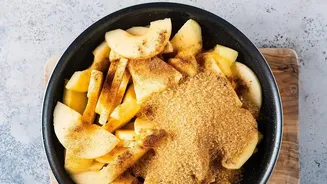
Fruits are nature's candy and a fantastic base for diabetic desserts because their fibre content helps slow sugar absorption. Simple ideas include a mixed berry salad, fresh fruit kebabs with a yogurt dip, or baked apples and pears sprinkled with cinnamon. Grilling fruits like peaches or pineapple caramelises their natural sugars, intensifying the flavour without added sweeteners. You can also create a 'nice cream' by blending frozen bananas until they reach a creamy, soft-serve consistency, which can be customised with cocoa powder or other fruits.
Rethinking Traditional Indian Mithai
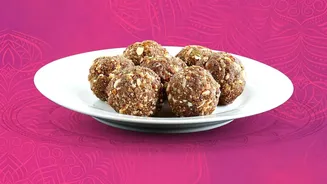
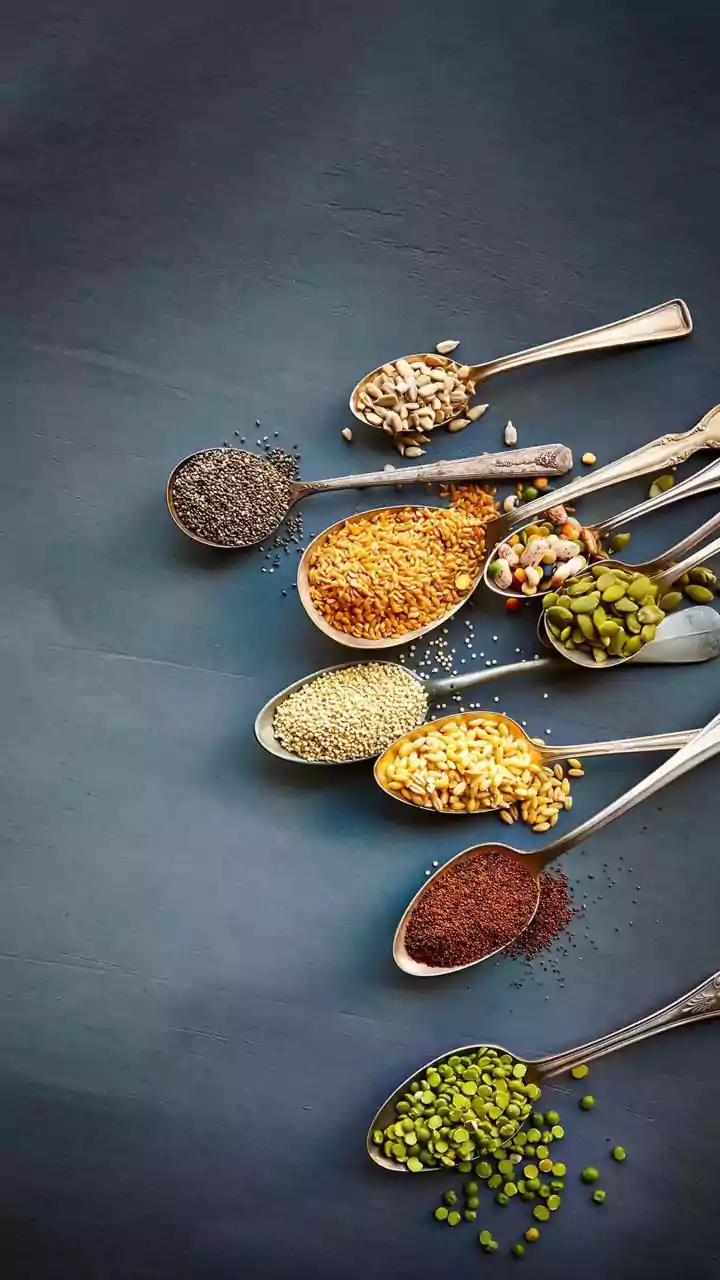
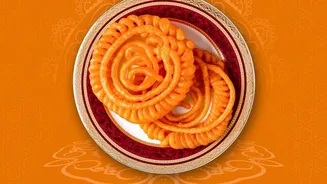
Many traditional Indian sweets can be adapted for a diabetic diet. Nut-based sweets like badam burfi or kaju katli are often better choices than grain-based ones, especially when prepared with sugar substitutes. Ladoos made with ragi (finger millet) and oats, sweetened with dates instead of sugar, are a popular option. You can also make kheer using makhana (fox nuts) or chia seeds instead of rice, which significantly lowers the glycemic impact. These versions often use dates, figs, or natural sweeteners like stevia in moderation, combined with healthy fats from nuts and ghee to create a more balanced treat.
Smart Swaps in Baking
When baking, simple ingredient swaps can make a big difference. Replacing refined white flour with almond flour, oat flour, or whole wheat flour adds fibre and nutrients. Instead of sugar, consider using pureed fruits like unsweetened applesauce, mashed bananas, or date paste for natural sweetness and moisture. These purees work well in denser baked goods like brownies or muffins. For sweeteners, options like stevia and monk fruit extract provide sweetness without calories or a significant impact on blood sugar levels.
Yogurt and Dairy_Based Delights
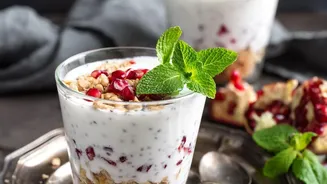
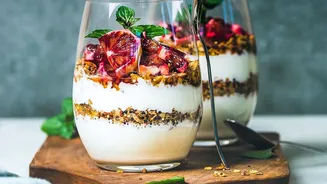
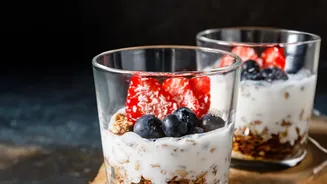
Plain Greek yogurt is an excellent high_protein base for a quick and satisfying dessert. A simple parfait layered with berries and a sprinkle of nuts offers a balance of protein, fibre, and healthy fats. You can also make a creamy chocolate mousse using Greek yogurt or even silken tofu and avocado. For a modified Indian classic, try making shrikhand with hung curd and a natural sweetener, infused with cardamom and saffron. These dairy options provide protein that helps in promoting satiety and stabilizing blood sugar levels.
The Role of Dark Chocolate
For chocolate lovers, dark chocolate with a high cocoa content (70% or more) is a suitable choice in moderation. It contains less sugar and more antioxidants compared to milk chocolate. A couple of small squares can be a satisfying treat. You can also melt it to dip strawberries or create a thin bark topped with nuts and seeds. This provides the rich flavour of chocolate while keeping portion sizes and sugar intake in check.