


The Simple Science of Airflow
The core principle is beautifully simple: a rack elevates your food. Whether inside a hot oven or on your countertop, this elevation allows air to circulate around the entire surface of the food. In a conventional oven, heat typically rises from the bottom,
meaning the top of your food cooks faster. By lifting the food off a solid pan, you allow the hot, circulating air—a process known as convection—to cook all sides more evenly. This prevents the bottom from steaming in its own juices or having direct, intense contact with the hot pan, which can lead to burning before the top is properly cooked.
Achieving the Perfect Crisp
Everyone wants that perfectly crisp, golden-brown skin on a roasted chicken or a crunchy crust on potatoes. A rack is your best tool for this job. When food sits directly on a pan, moisture gets trapped underneath. This trapped moisture steams the bottom surface instead of allowing it to roast, resulting in a pale and soft texture. Elevating the food allows this moisture to evaporate. This dry environment is essential for the Maillard reaction—the chemical process between amino acids and reducing sugars that gives browned food its distinctive flavour and colour. With air circulating freely, the entire surface dries out, crisps up, and browns evenly.
The Crucial Cooling Period
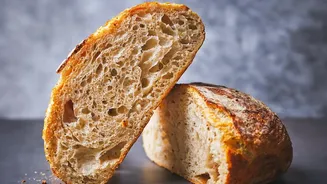
A rack's job isn't finished when the food comes out of the oven. In fact, for baked goods, this is when it’s most important. Placing a hot cake, cookies, or bread directly on a solid surface traps heat and steam. This condensation will make the bottom and sides of your baked goods soggy. Furthermore, a hot pan will continue to cook your food even after it’s been removed from the oven, a phenomenon called carryover cooking. This can lead to dry, over-baked results. A cooling rack allows air to circulate, cooling your treats down quickly and evenly, stopping the cooking process and preserving their intended texture.
Resting Meat the Right Way
You’ve heard you need to rest your steak or roast after cooking. This allows the muscle fibres to relax and reabsorb their juices, leading to a more tender and flavourful result. But where you rest it matters. If you place a perfectly seared steak on a plate, it sits in a pool of its own juices. This will quickly soften the beautiful crust you worked so hard to create. By resting your meat on a wire rack, you allow air to circulate underneath. This keeps the bottom of the meat from steaming and becoming soggy, preserving the crust on all sides while the interior becomes perfectly juicy.
Choosing and Using Your Rack
Not all racks are created equal. When choosing one, look for an oven-safe material like stainless steel if you plan to use it for roasting. Check the manufacturer's guidelines, as some racks are designed only for cooling and may not withstand high oven temperatures. A tight grid pattern is often best, as it provides good support and prevents smaller items from falling through. For roasting, place the rack inside a rimmed baking sheet. This setup allows air to circulate while the pan below catches any drips, keeping your oven clean and giving you the base for a delicious pan sauce.