


Beyond the Big City Warehouse
For years, the e-commerce story was simple: massive warehouses on the outskirts of metros like Mumbai and Delhi served the entire country. This model worked when next-day delivery was the gold standard. But today, with customer expectations shifting to same-day
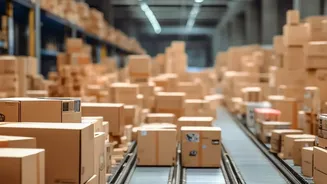
or even 10-minute deliveries, that centralized approach is becoming inefficient. Enter the micro-fulfillment hub. These are not sprawling godowns; they are small, tech-heavy facilities, sometimes called 'dark stores', located deep inside urban neighbourhoods. Instead of one giant hub hundreds of kilometres away, companies are now building a dense network of smaller hubs right where their customers are, drastically cutting down the final journey a package needs to travel.
The Tier 2 City Opportunity
The next wave of e-commerce growth is coming from outside the metros. Cities like Lucknow, Jaipur, Coimbatore, and Indore are no longer just delivery endpoints but booming demand centres, with some reports indicating they drive over half of all online orders. Servicing this demand from distant metro warehouses is slow and expensive. Micro-fulfillment hubs in these Tier 2 cities offer a powerful solution. Companies can position inventory closer to this massive and growing customer base, slashing delivery times from days to hours. Furthermore, operational costs are significantly lower. Real estate is more affordable than in congested metros, allowing for easier setup of these crucial last-mile facilities.
Streamlining the Critical Last Mile
In logistics, the 'last mile'—the final step from a local hub to your doorstep—is famously the most expensive and complex part of the entire delivery process. Micro-fulfillment centres are designed specifically to solve this problem. By being geographically closer to customers, they reduce travel distance and time, leading to faster and more predictable deliveries. This proximity enables the 'quick commerce' model of 10-30 minute deliveries for groceries and essentials, a service that is impossible with a distant warehouse. For companies, this means lower fuel costs, more efficient delivery routes, and the ability to complete more deliveries per day. For consumers in cities like Surat or Nagpur, it means getting their orders with a speed they previously only saw in metro areas.
A New Engine for Local Recruitment
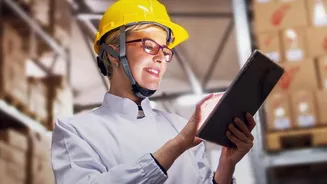
The arrival of these fulfillment hubs is creating a significant surge in local employment, moving jobs beyond the traditional metro centres. This isn't just about hiring delivery partners. Each hub requires a team for warehouse operations, inventory management, packing, and technical support. The expansion of e-commerce and logistics into Tier 2 cities is a leading driver of hiring in the current economic landscape. Staffing firms report that hiring for these roles in smaller cities is growing at nearly double the rate of metros. This creates a more inclusive growth model, offering diverse employment opportunities to a workforce that previously had limited access to jobs in the booming digital economy. It's also driving the up-skilling of the local labour force, as modern warehouses require staff trained to work with technology-driven systems.
Challenges and the Road Ahead
The expansion is not without its hurdles. Setting up these hubs involves navigating local real estate complexities and a fragmented infrastructure that can vary from city to city. Ensuring a consistent supply chain and managing inventory across dozens of smaller sites is a significant operational challenge. However, the push is undeniable. Driven by intense competition and rising consumer demand, companies are heavily investing in technology like AI-powered route planning and automated sorting to make these hubs even more efficient. As this trend continues, Tier 2 cities will become even more integrated into the national supply chain, solidifying their role as crucial engines of India's e-commerce future.