





The Vietnam Connection Boom
Vietnam's popularity with Indian tourists has skyrocketed, and airlines have responded in a big way. Carriers like Vietjet and Vietnam Airlines have aggressively expanded their networks, creating a robust air bridge between the two nations. Not long ago,
reaching cities like Hanoi or Ho Chi Minh City from India required a layover. Today, there are numerous direct flights from major Indian hubs including Delhi, Mumbai, Bengaluru, Hyderabad, and Ahmedabad. This explosion in connectivity, with dozens of weekly flights, has not only slashed travel times but also driven down fares, making spontaneous trips to see the limestone karsts of Ha Long Bay or the bustling streets of Saigon more accessible than ever. The introduction of a simple e-visa system, allowing for stays up to 90 days with multiple entries, has further simplified travel planning for Indians.
Japan: More Accessible Than Ever
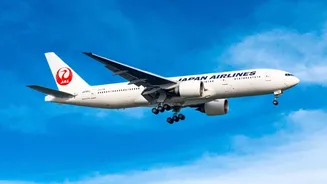
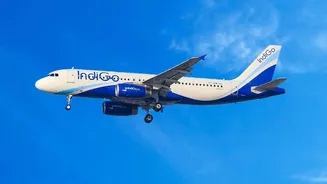
Japan has long been a dream destination, and reaching its shores is becoming progressively easier. Full-service carriers like Air India, Japan Airlines (JAL), and All Nippon Airways (ANA) have been strengthening their services. Air India, for instance, now complements its daily Delhi-Tokyo (Haneda) service with a new route from Mumbai to Haneda, which began in June 2026. This adds a crucial direct link from India's financial capital. Similarly, JAL has added a new Tokyo (Narita) to New Delhi flight, enhancing its existing services. These direct flights, primarily using modern aircraft like the Boeing 787 Dreamliner, significantly cut down journey times. Furthermore, codeshare partnerships, such as the one between JAL and IndiGo, allow for seamless travel from cities across India to multiple points within Japan, including Osaka, Fukuoka, and Sapporo, often on a single ticket.
The Game-Changer: Crafting Your Perfect Loop
The real magic of this new connectivity lies in the ability to create 'open-jaw' or 'loop' itineraries. Previously, planning a multi-country trip meant backtracking or booking expensive separate tickets. Now, travellers can fly into one country and out of another, creating a logical and efficient travel path. The key is the growing number of direct flights between major hubs in Vietnam and Japan. Airlines like Vietjet and Vietnam Airlines offer regular, affordable flights connecting cities like Ho Chi Minh City and Hanoi with Tokyo, Osaka, and Fukuoka. This unlocks incredible flexibility. An Indian traveller can now fly from Mumbai to Ho Chi Minh City, travel north through Vietnam, fly from Hanoi to Osaka to explore Japan's Kansai region, travel to Tokyo, and then fly directly back to Delhi from Haneda airport. This approach saves precious time and money, eliminating the need to return to the original point of entry.
Sample Itinerary and Practical Tips
Imagine a 15-day 'Temples and Tech' tour. You could start by flying from Bengaluru to Hanoi. Spend a few days exploring the capital and a cruise on Ha Long Bay. From there, take a short domestic flight to Da Nang to see Hoi An. Next, catch an international flight from Da Nang or Hanoi to Osaka. Spend several days exploring Kyoto's temples and Osaka's vibrant food scene. Take the Shinkansen (bullet train) to Tokyo for a few days of exploring the futuristic metropolis before flying direct from Tokyo's Haneda airport back to Delhi. For visas, Vietnam offers a straightforward e-visa for Indians, valid for up to 90 days. Japan also has a streamlined process and recently introduced an e-visa system for single-entry tourist visas. When booking, use multi-city search tools on airline websites or travel portals to piece together your loop. This often reveals the best pricing compared to booking one-way tickets separately.