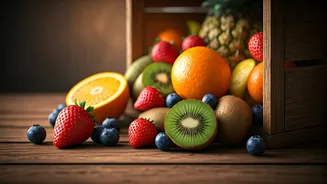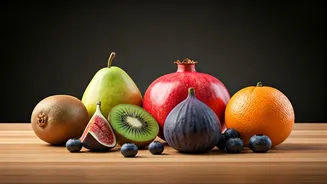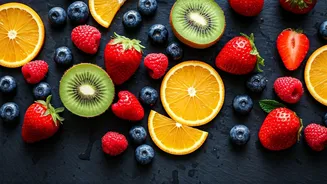





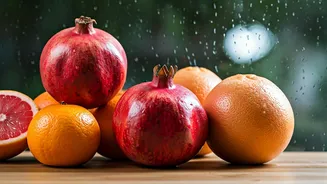
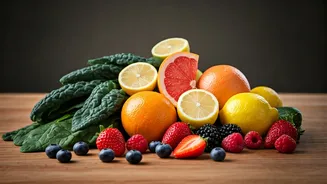


Citrus Fruits: The Vitamin C Classics
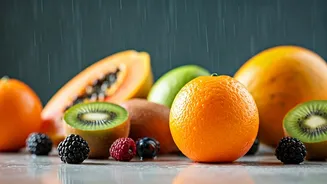
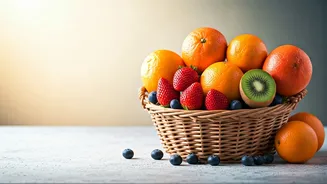
It’s no surprise that oranges, grapefruits, and clementines top the list. They are famous for their high concentration of Vitamin C, a crucial antioxidant that plays a vital role in immune function. Studies show that Vitamin C can help encourage the production
of white blood cells, which are key to fighting off infections. A deficiency, on the other hand, can make you more prone to getting sick. Beyond just immunity, the vibrant scent and taste of citrus can also provide a small but welcome mood lift on an otherwise gloomy day. A simple glass of fresh-squeezed orange juice or a sliced grapefruit for breakfast is an easy way to get your daily dose.
Berries: Tiny Antioxidant Powerhouses
Don’t let their small size fool you. Blueberries, strawberries, and raspberries are packed with powerful antioxidants called flavonoids. One type, anthocyanin—which gives berries their rich red and blue colors—has been shown to have potent antimicrobial properties and plays a role in the respiratory tract's immune defense system. Think of them as your body's personal security guards, helping to neutralize harmful free radicals that can cause cellular damage and inflammation. They are also relatively low in sugar and high in fiber, making them a smart choice for overall health. Add a handful to your morning oatmeal, yogurt, or just enjoy them on their own.
Pomegranate: The Underrated Protector
Pomegranates are one of nature's most potent functional foods. The seeds, or arils, are bursting with antioxidants, particularly punicalagins and anthocyanins, which have been studied for their impressive anti-inflammatory effects. Chronic inflammation can suppress your immune system, making you more susceptible to illness. By helping to calm this inflammation, pomegranates support your body's ability to stay balanced and ready to fight off pathogens. Their antiviral and antibacterial properties are also well-documented, making them a fantastic addition to your diet when you feel like you need extra protection from seasonal bugs.
Kiwi: Small, Fuzzy, and Mighty
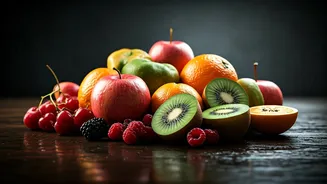
Often overlooked, the humble kiwi is a nutritional superstar. Just one large kiwi can provide well over your daily recommended intake of Vitamin C—even more than a medium orange. But its benefits don’t stop there. Kiwis are also a good source of other essential nutrients that support immunity, including Vitamin E, potassium, and folate. Research suggests that consuming kiwi can support immune function and may even reduce the likelihood and severity of cold or flu-like illnesses, especially in vulnerable populations. Slice one in half and scoop out the green flesh for a quick, nutrient-dense snack.
Apples: A Staple for Gut Health
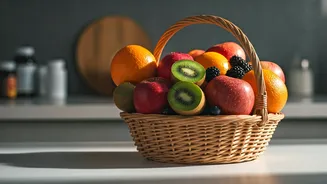
An apple a day might just help keep the doctor away, and a big reason for that lies in its fiber content. Apples are rich in soluble fiber, specifically pectin, which acts as a prebiotic. This means it feeds the good bacteria in your gut. A healthy gut microbiome is fundamental to a strong immune system, as a huge portion of your immune cells reside in your digestive tract. When your gut bacteria are well-nourished and balanced, they help regulate your immune response. So, that simple apple isn't just a crunchy snack; it's a tool for cultivating the internal ecosystem that keeps you well.
Pears: The Gentle Hydrator
During damp, cool weather, it's easy to forget about hydration, but it's just as important for immune health. Pears have a high water content, helping you stay hydrated while delivering a healthy dose of fiber, copper, and vitamins C and K. They are also considered a low-acidity fruit, making them gentle on the stomach, which can be a bonus if you're already feeling a bit under the weather. Their anti-inflammatory flavonoid antioxidants further contribute to their status as a smart choice for staying healthy during the rainy months. Enjoy them fresh or even baked with a sprinkle of cinnamon for a comforting treat.