






A Spiritual and Seasonal Reset
The Navratri fast is deeply rooted in both spiritual and scientific principles. It is a practice of devotion and self-discipline, intended to purify the body and mind. According to Ayurvedic tradition, Navratri falls at a crucial seasonal juncture when
the body's immunity is typically lower. The fast acts as a reset, giving the digestive system a much-needed break from heavy, everyday foods and preparing it for the coming season. By avoiding certain foods, particularly common grains, the body can focus on detoxification and rejuvenation.
Why Regular Grains Are Off the Menu
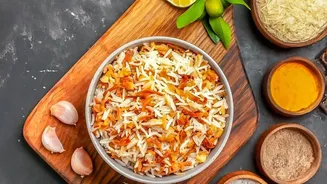
The exclusion of common grains like wheat, regular rice, semolina (sooji), and chickpea flour (besan) is a cornerstone of the Navratri fast. There are a couple of key reasons for this. From an Ayurvedic standpoint, these everyday grains are considered 'tamasic' or heavy, meaning they can induce feelings of lethargy and dullness. During a period dedicated to spiritual alertness and clarity, the diet shifts towards 'sattvic' foods, which are believed to be light, pure, and energy-promoting. Another simple reason is that a fast is meant to be a break from the norm; avoiding the very staples that constitute our daily meals reinforces the act of fasting itself.
The Rise of 'Vrat Ke Atta'
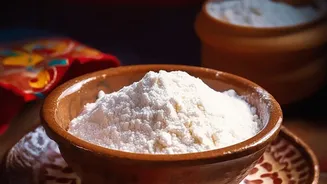
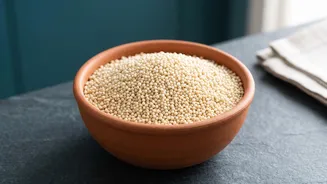
So, if regular grains are out, what takes their place? This is where the special 'vrat ke atta' or fasting flours come in. The most popular are Kuttu ka Atta (buckwheat flour), Singhare ka Atta (water chestnut flour), and Rajgira ka Atta (amaranth flour). Botanically, these are not true cereal grains. Buckwheat and amaranth are seeds from broad-leaf plants, while water chestnuts are, as the name suggests, aquatic vegetables. Because they are not part of the grass family like wheat and rice, they are permitted. Another common substitute is Samak Rice, or barnyard millet, which is technically a grass but has been traditionally accepted as a fasting food.
The Nutritional Wisdom of Fasting Flours
The choice of these alternative flours is not just based on tradition; it is backed by nutritional wisdom. Most of these flours are naturally gluten-free, making them lighter on the digestive system. They are often nutritional powerhouses. Buckwheat (kuttu) is rich in high-quality protein, magnesium, and fibre. Amaranth (rajgira) is one of the few plant sources of complete protein and is packed with calcium and iron. Water chestnut flour (singhara) is known for being cooling, low in fat, and a good source of potassium. These flours provide sustained energy, prevent blood sugar spikes, and deliver essential nutrients, ensuring that the fast is a period of nourishment, not deprivation.
More Than Just Flours
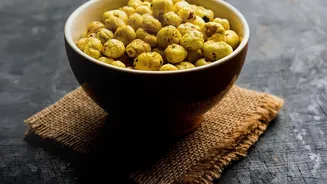
The Navratri fasting diet extends beyond just these flours. Sabudana (tapioca pearls), derived from the cassava root, is another staple that provides a quick source of carbohydrates for energy. The diet is further supplemented by a variety of fruits, nuts, dairy products like milk and paneer, and specific vegetables such as potatoes, pumpkin, and cucumber. Instead of regular table salt, Sendha Namak (rock salt) is used, as it is less processed and considered purer. This entire dietary framework is designed to be cleansing, balanced, and supportive of the fast's spiritual goals.