





The First-Aid Foundation
Monsoon brings an increased risk of waterborne diseases and infections. Your kit should be ready for minor cuts, fevers, and stomach issues. Pack waterproof bandages, antiseptic wipes, and a good antiseptic cream. Include basic medications for fever,
pain relief, coughs, and digestive upsets. Rehydration salts (ORS) and electrolyte powders are crucial, as high humidity can lead to dehydration faster than you might think. Fungal infections are also common due to dampness, so an anti-fungal powder or cream can be a skin-saver. Lastly, a strong insect repellent is non-negotiable to protect against mosquitoes, which are more prevalent during this season.
Waterproof and Quick-Dry Gear
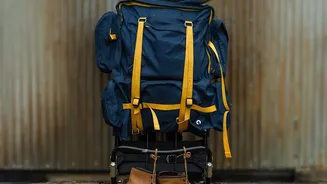
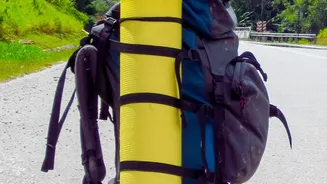
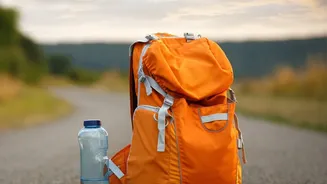
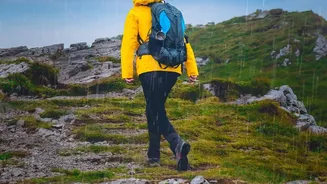
Staying dry is the primary battle during monsoon travel. A lightweight, packable waterproof jacket or poncho is more practical than an umbrella, which can be useless against gusty winds. The goal is to keep your hands free for navigating tricky terrain. Also essential is waterproofing for your belongings. Invest in a good rain cover for your backpack and use dry bags or even simple zip-lock pouches to protect your electronics, documents, and cash. A waterproof phone pouch is a small but invaluable item for protecting your most-used gadget.
The Right Clothing and Footwear
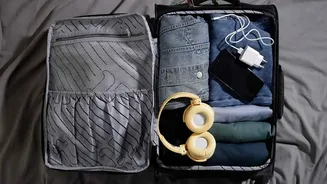
The golden rule of monsoon clothing is to avoid cotton and denim. These fabrics absorb moisture and can take days to dry in high humidity, leading to discomfort and odour. Instead, pack clothes made from quick-dry synthetic fabrics like polyester and nylon blends. These are lightweight and can often be washed in a hotel sink and be dry by morning. For footwear, leave the leather shoes and flimsy flip-flops at home. Opt for waterproof sandals with a good grip or quick-dry sneakers designed for wet conditions. Always pack a few extra pairs of moisture-wicking socks; dry feet are happy feet.
Power and Connectivity
Heavy rains often lead to power cuts, especially in more remote areas. A fully charged power bank isn't a luxury; it's a necessity to keep your phone and other devices running. A small flashlight or a headlamp is also incredibly useful during unexpected outages. Before you leave, download offline maps of your destination. Network connectivity can be unreliable during bad weather, and having maps accessible on your phone can prevent you from getting lost.
Sustenance and Hygiene
Travel delays due to landslides or flooded roads are a real possibility during the monsoon. Keep a small stash of non-perishable snacks like energy bars, nuts, or biscuits in your kit. These can be a lifesaver if you're stuck for a few hours. On the hygiene front, hand sanitiser and antibacterial wet wipes are essential, particularly since the risk of contamination is higher. It's wise to be cautious with street food and stick to bottled water to avoid stomach ailments.
Miscellaneous Must-Haves
A few small items can make a big difference. A quick-dry microfibre towel is far more practical than a standard cotton one. A few sturdy plastic bags are great for separating wet or muddy clothes from the dry ones in your luggage. A small, multi-tool knife can come in handy, as can a small roll of rope or a few bungee cords. Finally, ensure all your important documents—like your ID, tickets, and booking confirmations—are stored together in a waterproof pouch.