




The Idol: Embrace Natural Clay
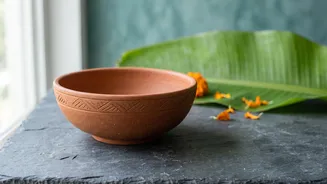
The centrepiece of the festival is the idol itself. Traditionally, idols were made from natural clay (Shadu Mati) that dissolves easily in water. However, mass-produced Plaster of Paris (PoP) idols have become common. PoP is non-biodegradable and releases
harmful chemicals like lead and mercury into water bodies during visarjan, polluting them for years and harming aquatic life. This year, consider returning to tradition with a Shadu Mati or terracotta idol. These are made from naturally occurring soil, dissolve harmlessly in water, and support local artisans who continue this eco-conscious craft. Some idols even contain seeds that can be planted after immersion, allowing you to nurture a plant as a lasting blessing.
The Pandal: Ditch Thermocol and Plastic
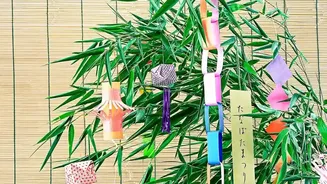
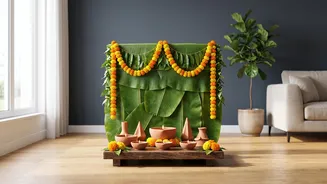
The 'makhar' or pandal that houses the idol is often built with thermocol and plastic, materials that are significant pollutants. Beautiful and sturdy alternatives are readily available. You can create a stunning backdrop using reusable materials like cloth—an old saree or a colourful dupatta can be elegantly draped. Other fantastic options include structures made from recycled cardboard, wood, bamboo, or cane, which offer a rustic and traditional charm. These materials are not only biodegradable but can often be dismantled and saved for future festivals, making them a truly sustainable choice.
The Flowers: Fresh, Local, and Real
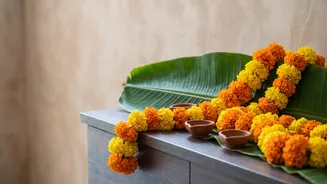
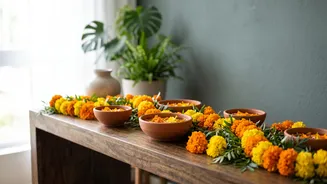
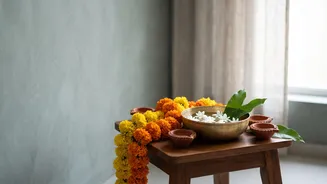
Flowers are an integral part of Ganpati pooja, but plastic and synthetic garlands create unnecessary waste. Opt for fresh, locally sourced flowers like marigolds, hibiscus, jasmine, and roses. These add natural fragrance and vibrancy to your home. You can create beautiful backdrops, torans, and rangolis with fresh flowers and leaves. Natural elements like mango leaves, banana leaves, and even peacock feathers can be used to create elaborate, traditional, and entirely compostable decorations.
The Colours: Natural Rangoli Powders
Rangoli designs at the entrance of the home are a welcoming sight. Instead of using chemical-based powders, which can be harmful to the skin and the environment, turn to your own kitchen for natural colours. Rice flour provides a perfect white base, while turmeric (haldi) for yellow, kumkum for red, and coffee powder for brown are excellent natural pigments. You can also use colourful flower petals to create a stunning, fragrant, and fully biodegradable rangoli.
The Lighting: The Warm Glow of Diyas
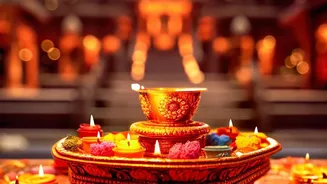
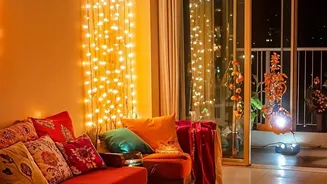
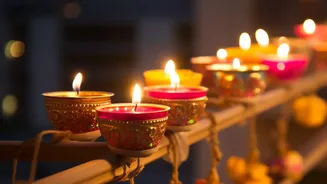
Twinkling lights add a magical feel to the festivities. While modern LED strings are energy-efficient, you can enhance the traditional atmosphere by choosing earthen diyas or brass lamps. The gentle, warm light from oil lamps creates a serene and spiritual ambience that plastic-heavy decorations cannot replicate. If you use electric lights, ensure they are high-quality LEDs that consume less power and can be reused for many years across different festivals.
The Prasad: Serve on Natural Plates
Serving prasad to guests is a key part of the celebration. Avoid disposable plastic or styrofoam plates and cutlery. Instead, embrace traditional and eco-friendly options like plates made from banana leaves or dried leaf plates (pattals). These are 100% biodegradable and add an authentic touch to the experience. They can be easily composted after use, leaving behind no waste.