



Know Your Enemy: Common Balcony Pests
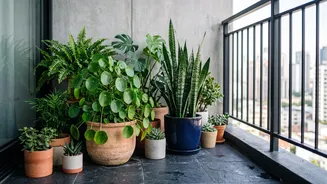
Balcony gardens, with their dense pots and often-sheltered conditions, can be a haven for pests. The most common culprits are small, soft-bodied insects that feed by sucking the sap from leaves and stems. Keep an eye out for aphids, which are tiny, pear-shaped
bugs that cluster on new growth; spider mites, which create fine webbing on the undersides of leaves; mealybugs, which look like small, white cottony spots; and whiteflies, which are tiny moth-like insects that fly up in a cloud when disturbed. These pests cause yellowing, curled leaves and can quickly weaken your plants if left unchecked.
Your First Line of Defence: Soapy Water
For a fast initial knockdown of soft-bodied pests, nothing is simpler or quicker than soapy water. The fatty acids in soap dissolve the protective outer layer of insects like aphids, mites, and mealybugs, causing them to dehydrate and die on contact. It’s a contact-only solution, meaning it has no residual effect once dry, but it's perfect for immediately addressing a visible infestation. It is most effective on soft-bodied pests and less so on larger insects like beetles or caterpillars.
How to Make and Use Soapy Water Spray
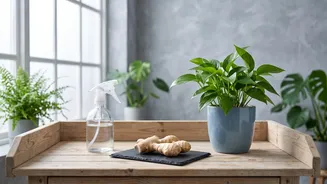
Creating your own insecticidal soap is easy. The key is to use a mild, pure soap without degreasers, bleaches, or heavy fragrances, as these additives can harm plants. A plain liquid castile soap is an excellent choice. A common recipe is to mix 1 to 2 teaspoons of mild liquid soap into one litre of warm water. Pour the solution into a spray bottle and shake gently. Before drenching your entire plant, always test the spray on a single leaf and wait 24-48 hours to check for signs of leaf burn. When ready, spray the plant thoroughly in the early morning or evening, paying special attention to the undersides of leaves where pests love to hide.
The Power of Neem Oil
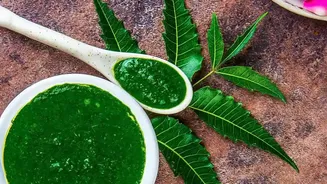
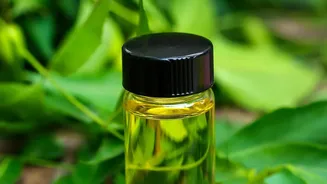
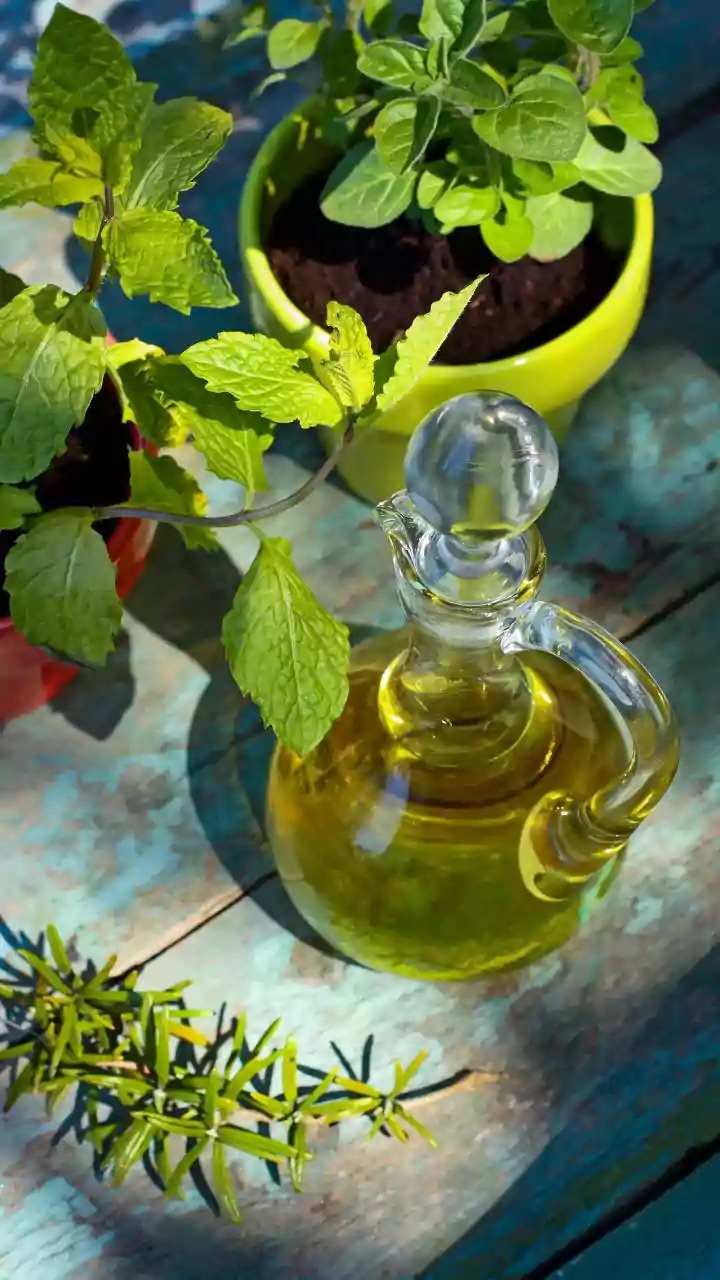
While soapy water is great for immediate control, neem oil offers a more comprehensive, longer-lasting solution. Derived from the seeds of the Neem tree (Azadirachta indica), this oil is a cornerstone of organic gardening. Its active compound, azadirachtin, works in multiple ways. It acts as an antifeedant, repelling pests and stopping them from eating your plants. It's also a hormone disruptor, interfering with insects' ability to grow and reproduce. Unlike soap, it has some systemic action, meaning the plant can absorb it, providing protection from within. It is effective against a wide range of pests, including aphids, mites, whiteflies, mealybugs, and even some fungal diseases like powdery mildew.
Mixing Your Neem Oil Solution
Neem oil is hydrophobic and won't mix with water on its own, so it needs an emulsifier. Luckily, the same mild liquid soap you used for your soapy spray will work perfectly. For a standard preventative spray, a common ratio is 1-2 teaspoons of cold-pressed neem oil and 1/2 to 1 teaspoon of mild liquid soap per litre of warm water. Combine the soap and neem oil first, then slowly add the warm water and shake vigorously until the mixture looks milky. It's crucial to use this mixture within 8 hours, as the active compounds in neem oil begin to break down quickly once diluted.
Applying Neem Oil Safely and Effectively
Like the soap spray, always test your neem solution on a small part of the plant first and wait 24 hours. Apply your spray in the cool of the evening or early morning. Spraying in direct, hot sun can cause the oil to heat up and burn the plant's leaves. Be thorough with your application, ensuring you coat the tops and bottoms of all leaves and stems until they are dripping. For active infestations, apply every 7 days until the pests are gone. For prevention, a spray every 14 days during the growing season is usually sufficient.