





When winter arrives, it transforms familiar landscapes into scenes of quiet magic. Across the globe, lakes freeze over, creating otherworldly vistas of glass-like ice, surreal formations, and snow-dusted shores perfect for adventure.
Abraham Lake, Canada: A Bubbly Spectacle
Located in the Canadian
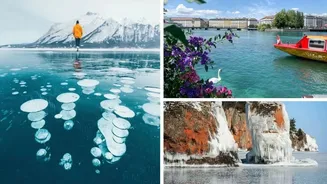
Rockies, Abraham Lake is famous for a captivating natural phenomenon: frozen methane bubbles. As organic matter at the bottom of the man-made lake decomposes, it releases methane gas. In winter, these rising bubbles are trapped at various depths in the ice, creating stunning vertical stacks that look like suspended jewels. The area's strong, consistent winds sweep the ice surface clear of snow, making for exceptional viewing and photography conditions. While other lakes have this feature, the clarity and concentration at Abraham Lake are world-class, attracting photographers and nature lovers from late December to February.
Lake Baikal, Russia: Siberia's Turquoise Gem
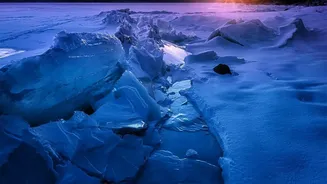
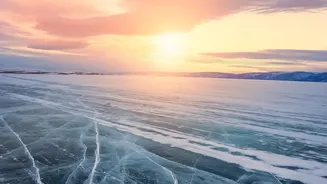
Deep in Siberia lies Lake Baikal, the world's oldest and deepest freshwater lake. Each winter, from January to May, it transforms into a breathtaking landscape of ice. The lake's water is exceptionally pure, resulting in ice so transparent you can see up to 40 metres below the surface. The most dramatic features are the turquoise ice hummocks—jagged blocks of ice that glow a brilliant blue and are pushed up by the pressure of the shifting ice sheet. These natural sculptures, combined with frozen methane bubbles and the sheer scale of the lake, create a scene of raw, powerful beauty. The ice becomes thick enough to support vehicles, though the real magic lies in walking on its crystal surface.
Jökulsárlón, Iceland: A Lagoon of Drifting Icebergs
Jökulsárlón is not a typical frozen lake but a constantly evolving glacial lagoon on Iceland's south coast. Here, giant icebergs break off from the Breiðamerkurjökull glacier and float in the deep, icy water before drifting out to sea. While the lagoon itself rarely freezes completely due to its depth and connection to the ocean, its winter landscape is profoundly beautiful. The icebergs come in shades of white, brilliant blue, and even black from volcanic ash. Many wash ashore on the nearby black sand beach, aptly named Diamond Beach, where they glitter like jewels against the dark volcanic sand. In winter, it is also a prime location for spotting the Northern Lights.
Lake Louise, Canada: A Fairytale Skating Rink
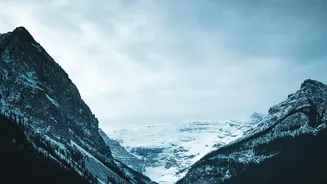
Nestled in Banff National Park and framed by the Victoria Glacier, Lake Louise offers what many call the world's most beautiful ice-skating experience. Every winter, the frozen turquoise lake is transformed into a massive, well-maintained outdoor rink, often complete with an ice castle. Managed by the Fairmont Chateau Lake Louise, which sits regally on its shore, the rink is cleared daily and even lit for night skating. The combination of the stunning mountain amphitheater, the grand hotel, and the crisp mountain air makes skating here a truly magical activity. The skating season typically runs from mid-December to early March, offering a quintessential Canadian winter adventure.
Lake Bled, Slovenia: A Storybook Winter Scene
Lake Bled is beautiful in any season, but winter casts a particularly enchanting spell. With its iconic island church, clifftop medieval castle, and backdrop of the snow-dusted Julian Alps, the scene is pure fairytale. While the lake itself only freezes over completely in exceptionally cold winters—a rare event in recent years—the surrounding area becomes a winter wonderland. Visitors can walk the perimeter of the lake, enjoy the festive Christmas market in December, or hike to viewpoints like Ojstrica for postcard-perfect photos. The atmosphere is quieter and more serene than in the bustling summer months, offering a peaceful and romantic getaway.