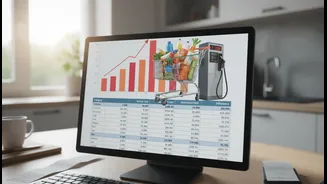









Decoding the 4.38% Figure
When officials announce the monthly inflation number, they are referring to the Consumer Price Index (CPI), which measures the average change in prices paid by consumers for a basket of goods and services. For June 2026, this figure reached 4.4%, an 18-month
high. The key drivers behind this recent spike were rising costs for food and fuel. Food inflation climbed to over 5%, pushed up by sharp price increases in specific kitchen staples like tomatoes and ginger. Simultaneously, transportation costs also jumped, reflecting the delayed impact of global energy prices on domestic fuel rates. This means a significant portion of the headline inflation you hear about is driven by what it costs to eat and move around the country.
Why Your Personal Inflation Is Different
The national CPI basket is a broad average designed to represent the entire country. However, your spending habits are likely very different. The official CPI gives significant weight to food and beverages, accounting for over 45% of the index. For many young professionals, especially in urban areas, this doesn't reflect their reality. Your budget might be more heavily weighted towards rent, which has seen relatively stable inflation. You might spend more on services, education, communication, and discretionary items like entertainment or electronics, which move differently from food prices. For example, while food inflation was over 5%, housing inflation was much lower at around 2.1%. This is why the national average is a blurry snapshot; your personal inflation rate depends entirely on where your money actually goes each month.
Calculate Your Own Inflation Rate
Understanding your personal inflation rate isn't as complicated as it sounds. It’s about tracking your own spending. Start by categorizing your expenses for a typical month: housing (rent/EMI), food (groceries and dining out), transportation (fuel, public transport), utilities, healthcare, and discretionary spending. Use a budgeting app or a simple spreadsheet. After a few months, you can compare your spending in these categories over time. Are your grocery bills up by 5% or 10%? Has your transportation cost spiked more than the national average? This simple act of tracking gives you a clear, personalized picture of how rising prices are affecting your specific financial life, allowing you to move beyond reacting to headline numbers and start making targeted adjustments.
Strategies to Manage Your Costs
Once you know where your costs are rising fastest, you can take control. If food is your biggest pressure point, look for smart substitutions or focus on seasonal vegetables. If it's fuel, perhaps consolidating trips or using more public transport can help. The real power comes from tackling your recurring, non-essential costs. Review your subscriptions—do you need every streaming service? Can you negotiate a better rate for your internet or phone plan? During inflationary periods, even small, consistent savings add up. This isn't about drastic cuts but about mindful spending and reallocating funds away from areas where prices are hurting you most towards your savings and investment goals. This proactive approach helps protect your purchasing power when the cost of living rises.
The Big Picture: Interest Rates and the RBI
June’s inflation rate crossing the Reserve Bank of India’s 4% medium-term target for the first time in nearly 18 months is significant. It puts pressure on the RBI to manage inflation, which it typically does by adjusting interest rates. Economists are now monitoring the situation closely, with some predicting potential rate hikes later in the year to cool down the economy. For young households, this has direct implications. A rate hike could mean higher interest on future home loans, personal loans, and car loans. On the flip side, it could also lead to better returns on fixed deposits. Understanding this connection between inflation and interest rates is crucial for planning major financial decisions in the months ahead.