

Why You Shouldn't Waste Herb Stems
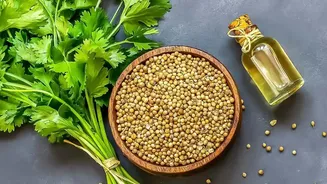
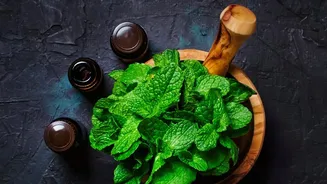
In the quest for a more sustainable kitchen, every scrap counts. We often use the delicate leaves of coriander and mint for garnish or flavour, but the stems, which are bursting with even more intense flavour, frequently end up in the bin. This is a missed
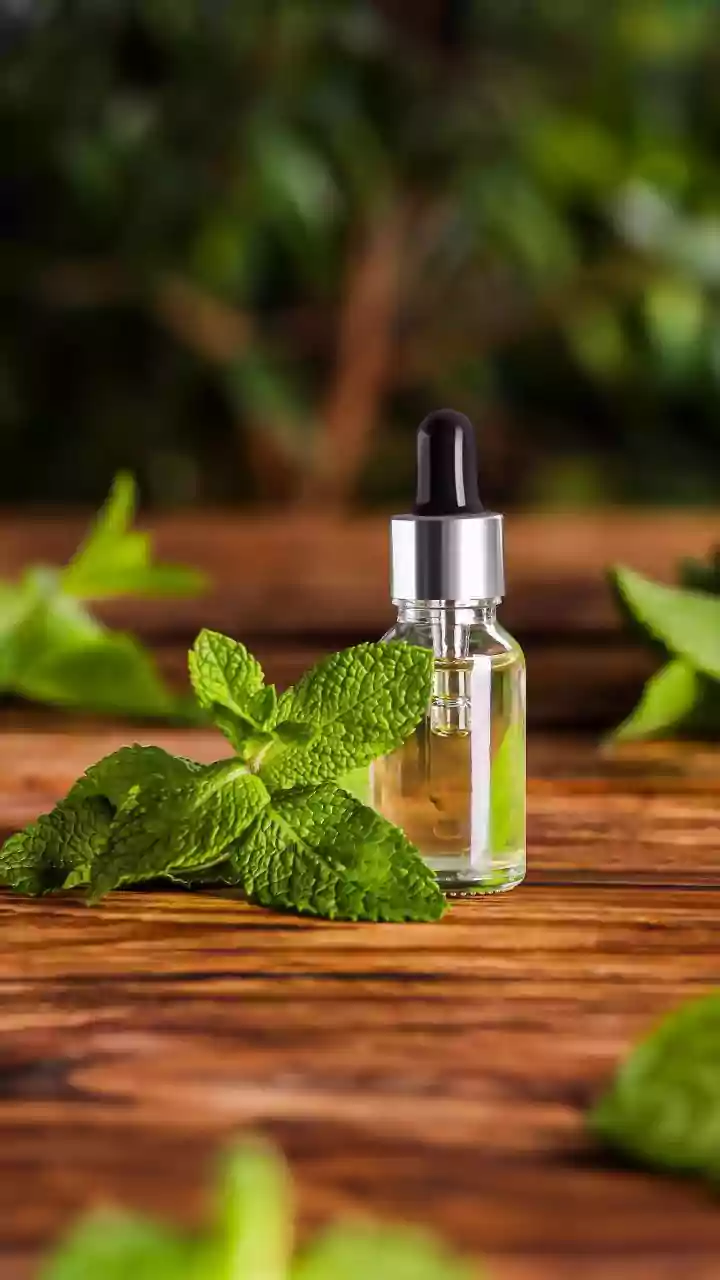
opportunity. The stems of soft herbs like coriander, mint, and parsley are completely edible and packed with aromatic compounds. By using them, you not only get more value from your fresh produce but also take a meaningful step toward reducing food waste. Transforming these stems into infused oil is one of the most delicious and practical ways to give them a second life, ensuring every bit of flavour is captured and enjoyed.
What You Will Need
The beauty of this process is its simplicity. You don't need any fancy equipment, just a few kitchen staples. Before you begin, gather your ingredients. Start with a good quantity of fresh coriander and mint stems, washed thoroughly and patted completely dry. The drier your herbs, the better and safer the final oil will be. You will also need a neutral-flavoured oil, such as a light olive oil, sunflower, or grapeseed oil, to let the herb flavours shine. Finally, you’ll need a clean, dry glass jar or bottle with a tight-fitting lid for infusion and storage. Sterilising your container by boiling it for ten minutes is a recommended first step to ensure no unwanted bacteria contaminates your oil.
The Warm Infusion Method (For a Quick Fix)
If you're eager to use your oil sooner, the warm infusion method is your best bet. Start by roughly chopping your clean, dry coriander and mint stems. Place your neutral oil in a small saucepan over low heat. Add the chopped stems to the oil and let it warm gently for about five to ten minutes. It’s crucial not to overheat the oil; it should be warm, not simmering or frying, as too much heat can destroy the delicate flavours and make the oil taste cooked. The goal is to gently coax the essential oils out of the stems. After warming, remove the pan from the heat and let it cool completely. Once cool, strain the oil through a fine-mesh sieve or cheesecloth into your sterilised storage bottle.
The Cold Infusion Method (For Deeper Flavour)
For a more nuanced and layered flavour profile, the cold infusion method is ideal, though it requires patience. For this technique, you simply combine your clean, dry herb stems and oil in your sterilised glass jar. You can either chop the stems or lightly bruise them with the back of a knife to help release their oils. Ensure the stems are completely submerged in the oil. Seal the jar tightly and place it in a cool, dark place, like a pantry, for one to two weeks. Give the jar a gentle shake every couple of days. Over time, the oil will slowly take on the vibrant flavours of the coriander and mint. Once the flavour is to your liking, strain the oil to remove the stems and store it for use.
Important: Storing Your Homemade Oil Safely
Food safety is paramount when making infused oils at home with fresh ingredients. Because fresh herbs contain moisture, they can create a low-oxygen environment in the oil where harmful bacteria, like Clostridium botulinum, can thrive. For this reason, homemade oils made with fresh, non-acidified herbs must always be stored in the refrigerator and should be used within four days. To prolong shelf life, you can use fully dried herbs, which significantly reduces the risk. Another option is to freeze your infused oil in an ice cube tray for convenient, single-serving portions that can be stored for much longer. Always remember: when in doubt, it's safest to discard the oil.
How to Use Your Herb-Infused Oils
Now for the fun part: using your creation. These vibrant, aromatic oils are incredibly versatile. Use your coriander and mint stem oil as a finishing drizzle over roasted vegetables, grilled meats, or fish to add a final burst of freshness. It makes a fantastic base for a salad dressing; just whisk it with some lemon juice, salt, and pepper. You can also use it to dress a simple pasta dish, swirl it into soups for a pop of flavour, or drizzle it over hummus and other dips. The possibilities are endless, and it’s a wonderful way to add a gourmet touch and a layer of bright, herbaceous flavour to your everyday cooking.