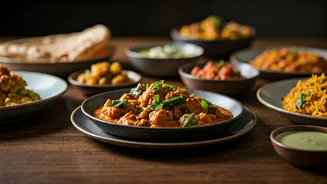






The Rise of Culinary Storytelling
Great food and service are no longer always enough to stand out. A new, powerful ingredient is reshaping menus across India and the world: storytelling. This trend, often focused on the provenance of a dish, is about communicating the 'who, where, and how'
behind the food. It’s a narrative that might celebrate a forgotten recipe from a specific region, highlight a rare Himalayan ingredient, or trace a spice blend back to a family's matriarch. This isn't just about listing ingredients; it's about weaving a tale that gives the dish a soul, transforming it from mere sustenance into a cultural experience. For diners, a dish is no longer just a dish—it's an invitation to explore a history and a place with every bite.
Why Diners Are Craving Authenticity
In a globalized world where restaurant trends can feel repetitive, diners are increasingly seeking genuine connection and unique experiences. Younger consumers, in particular, value transparency and authenticity, viewing their dining choices as a form of self-expression. Knowing the story behind their meal—that the produce came from a local farm or that the recipe was passed down through generations—creates an emotional bond. One study found that 56% of global consumers say a brand's story influences their purchase decisions. This desire is about more than just taste; it's about feeling connected to the people, culture, and traditions behind the food, making the entire experience more memorable.
From Local Secret to Star Dish
Across India, this trend is bringing micro-cuisines to the forefront. Chefs are moving beyond familiar fare like butter chicken to explore the subcontinent's vast culinary diversity. In Mumbai, a chef might build a menu around the varied cuisines of the Western Ghats. In Himachal Pradesh, another might focus entirely on elevated dishes using local Himalayan ingredients. Chef Michael Swamy, for instance, has been rediscovering the forgotten ingredients and techniques of Telangana's Kakatiya era, telling the stories behind ingredients like mahua flowers and wild forest honey. He notes that while recipes are everywhere, the stories are being forgotten, and his mission is to bring them back. This movement is changing the perception of Indian food, showcasing its nuance and depth.
The Business of Telling Tales
The term "menu gold" is apt because a compelling story directly translates to business success. It provides a strong source of differentiation in a crowded market, making a restaurant stand out. This unique selling proposition often allows establishments to command a premium price. When customers understand the journey of an ingredient or the heritage of a recipe, they are often more willing to pay for the perceived value and quality. This narrative-driven approach builds brand loyalty, turning casual diners into passionate advocates who feel a personal connection to the restaurant's journey. It’s a powerful, organic marketing tool that creates buzz and fosters a loyal community around the brand.
The Responsibility of Authenticity
With the rising value of storytelling comes a significant responsibility: to be honest. The digital age has equipped consumers with the tools to instantly verify claims, and any hint of a fabricated story can severely damage a brand's credibility. Authenticity and transparency are paramount. The power of a regional story lies in its truthfulness, whether it’s about genuinely sourcing from a specific village or authentically reviving a near-extinct culinary tradition. The challenge for restaurateurs is to ensure their narratives are as genuine as their ingredients. The goal is not to invent a compelling story for marketing purposes but to uncover and share the true, fascinating stories that are already there, embedded in the food itself.