







Mind Your Water and Beverages
The single most important rule during monsoon is to ensure the water you drink is safe. Water-borne diseases like typhoid, cholera, and jaundice see a sharp rise as rainwater contaminates public water sources. The simplest defence is to boil your drinking
water for at least 10 minutes, even if you use a water filter. Avoid drinking water from any unverified source when you're outside. This caution extends to ice in your drinks. Juices from street vendors, often made with contaminated water or ice and pre-cut fruits, are a major source of infection. Stick to bottled water from trusted brands or, better yet, carry your own water bottle from home.
Resist the Street Food Temptation
A plate of hot pakoras or bhajiyas while it's pouring outside is an almost irresistible craving. However, most street food is prepared in conditions that are far from hygienic, a problem that worsens during monsoon. High humidity allows bacteria to thrive, and food left in the open can get contaminated quickly. The water used for making chutneys might not be clean, and vegetables might not be washed properly. To be safe, satisfy your cravings at home where you can control the quality of the ingredients and the cooking environment. A home-cooked meal is your best bet for staying healthy.
Declare War on Mosquitoes
Monsoon is peak breeding season for mosquitoes, and with them comes the threat of vector-borne diseases like dengue, malaria, and chikungunya. The Aedes aegypti mosquito, which spreads dengue, breeds in clean, stagnant water. Your mission is to eliminate all potential breeding grounds in and around your home. Don't let water collect in flower pots, old tyres, air cooler trays, or any open containers. Use mosquito repellents, wear long-sleeved clothing, especially during dawn and dusk when mosquitoes are most active, and use mosquito nets at night if you live in a high-risk area. A pest-free home is a safe home.
Boost Your Natural Defences
A strong immune system is your body’s best defence against infections. The damp weather can sometimes compromise our immunity, making us more susceptible to colds, flu, and other viral infections. Focus on a diet rich in Vitamin C, found in citrus fruits like oranges and amla, as well as leafy green vegetables. Incorporate immunity-boosting spices like turmeric, ginger, and garlic into your daily cooking. A warm glass of turmeric milk (haldi doodh) before bed is a traditional remedy for a reason. Probiotics, found in dahi (yoghurt), are also excellent for gut health, which is closely linked to overall immunity.
Prioritise Personal Hygiene
Simple hygiene habits can make a huge difference. Wash your hands frequently with soap and water, especially before meals and after coming in from outside. The humidity can also lead to fungal infections, particularly on your feet. If you get caught in the rain, make sure to dry your feet thoroughly as soon as you get home. Avoid wearing wet clothes or shoes for extended periods. It's also wise to take a shower after getting drenched in rainwater, which can carry pollutants and germs from the atmosphere and streets.
Eat Light, Stay Right
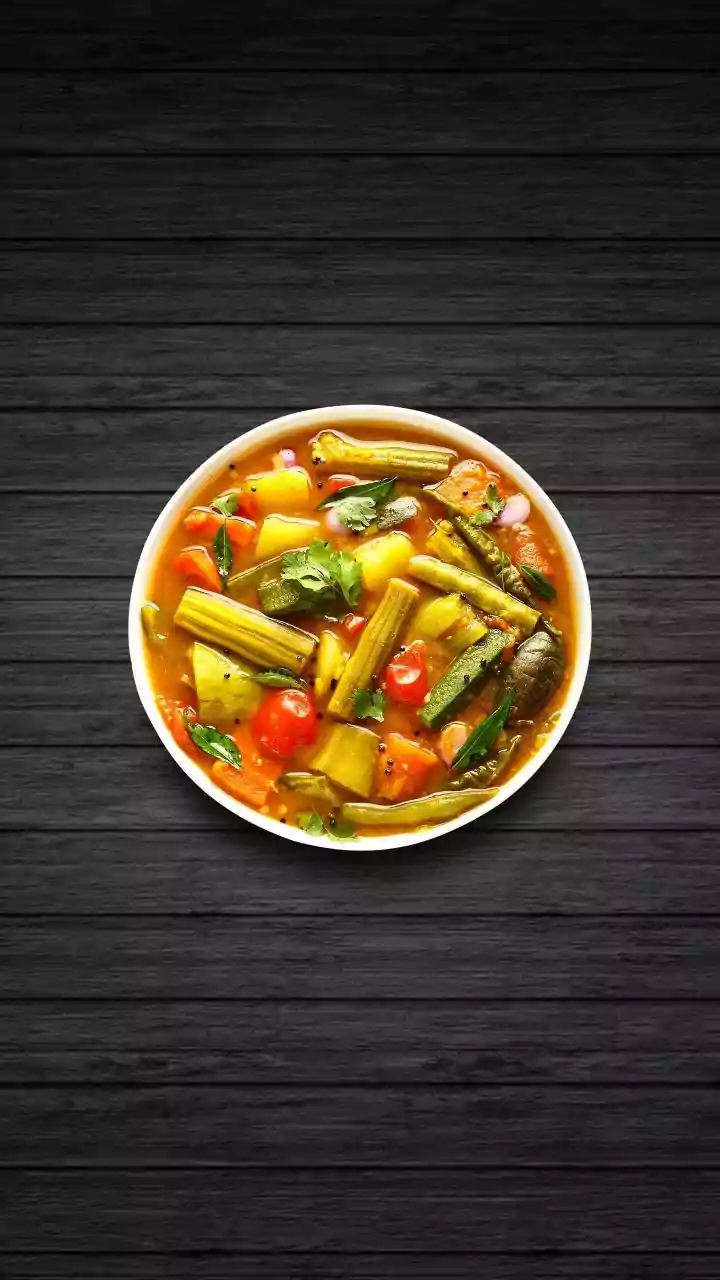
The digestive system tends to be a bit sluggish during the monsoon. Heavy, oily, and fried foods can be difficult to digest and may lead to bloating and stomach issues. Opt for light, home-cooked meals. Think steamed vegetables, soups, and easy-to-digest grains like rice and moong dal. Avoid raw salads unless you have washed the vegetables thoroughly with clean water. Eating a balanced, light diet helps keep your digestive system happy and your energy levels stable, allowing your body to focus its resources on fighting off any potential infections.