
Why Millets Deserve a Spot in Your Pantry
Millets are a group of ancient grains that have been a staple in Indian cuisine for centuries. Recently, they've seen a massive resurgence, and for good reason. These tiny powerhouses are naturally gluten-free, rich in fibre, and packed with essential
minerals like magnesium, iron, and phosphorus. Unlike refined grains, millets have a low glycemic index, which means they provide sustained energy without causing sharp spikes in blood sugar. This makes them an excellent choice for managing weight, improving digestion, and supporting overall gut health. Their slightly nutty, earthy flavour also makes them a wonderfully versatile base for a variety of dishes.
Step 1: Choose Your Millet
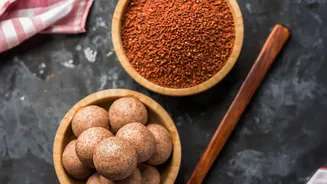
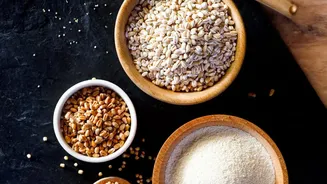
The term 'millet' covers several different types of grains, each with its own unique texture and nutritional profile. For a classic bowl, you can't go wrong with any of these popular Indian varieties: Foxtail Millet (Kangni): A common and versatile choice, it's rich in protein and fibre. Finger Millet (Ragi): Known for its incredible calcium content, making it great for bone health. Pearl Millet (Bajra): High in iron and magnesium, it's particularly good for heart health. Barnyard Millet (Samak): Very low in calories but packed with protein and fibre, it's light and easy to digest. Little Millet (Kutki): A good source of healthy fats and phosphorus, which helps with energy production.
Step 2: Cook the Millet Base to Perfection
Cooking millet is simple and follows a straightforward ratio, usually 1 part millet to 2 parts water. For one cup of millet, you will need two cups of water or a light vegetable broth for extra flavour. First, it's a good idea to rinse the millet thoroughly under cold water. A pro-tip for enhancing its natural nuttiness is to toast the dry, rinsed millet in a pan for about four to five minutes over medium heat until it becomes aromatic. After toasting, add your water or broth and a pinch of salt. Bring it to a boil, then reduce the heat to a low simmer, cover the pot, and let it cook for about 15-20 minutes, or until all the liquid has been absorbed. Once cooked, remove it from the heat and let it sit, still covered, for another 5-10 minutes. Finally, fluff it gently with a fork.
Step 3: Pick Your Seasonal Vegetables
The beauty of a millet bowl lies in its adaptability. Using seasonal vegetables ensures the freshest taste and highest nutritional value. India's diverse climate offers a bounty of produce year-round. Winter (November-February): Embrace hearty vegetables like carrots, peas, cauliflower, spinach (palak), and fenugreek leaves (methi). Summer (March-June): Opt for cooling and hydrating options like cucumber, bottle gourd (lauki), ridge gourd (tori), and okra (bhindi). Monsoon (July-October): This season brings corn, brinjal (eggplant), yam (suran), and various green beans.
Step 4: Create a Simple Indian Spice Tadka
The flavour engine of your bowl is the 'tadka' or tempering. Heat a tablespoon of ghee or oil in a small pan. Once warm, add a teaspoon of cumin seeds and let them sizzle. Then, add finely chopped onion, garlic, and ginger, and sauté until the onion turns soft and translucent. Now, it's time for powdered spices. A simple, all-purpose combination includes turmeric powder (haldi), red chilli powder for heat, and a touch of coriander powder. Cook for another minute until the spices are fragrant. You can toss your chosen vegetables directly into this tadka and cook them until tender-crisp before mixing them into the millet.
Step 5: Assemble Your Masterpiece
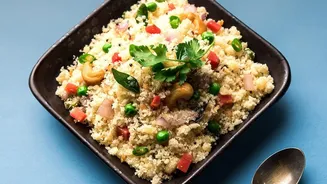
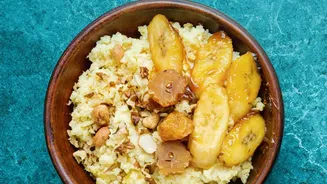
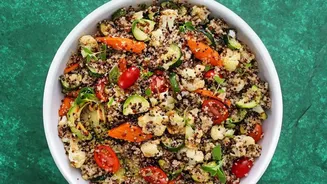
Now for the fun part. Start with a generous base of your fluffy, cooked millet in a bowl. Spoon the spiced vegetables over the top. To make it a more complete meal, consider adding a source of protein like grilled paneer, boiled chickpeas, or lentils. Finally, add a fresh, crunchy element like sliced cucumbers or raw onion. A squeeze of fresh lemon or lime juice and a garnish of fresh coriander leaves will brighten up all the flavours beautifully. For extra richness, you can add a dollop of plain yoghurt or a simple raita on the side.