

The Rise of Ancient Grains in Modern Kitchens
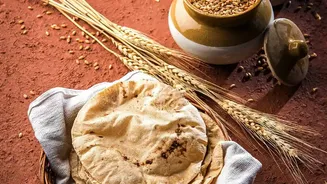
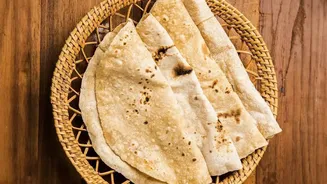
In the quest for healthier lifestyles, many are rediscovering the wisdom of our ancestors. For generations, millets like ragi (finger millet) and bajra (pearl millet) were staples in Indian diets before refined wheat flour (maida) became widespread. Today,
a wellness wave is bringing these nutrient-dense flours back into the spotlight. They are naturally gluten-free and packed with fibre, vitamins, and minerals, making them an excellent choice for anyone looking to make their favourite baked treats more nutritious without sacrificing flavour entirely. This shift isn't just about cutting out refined ingredients; it's about adding wholesome, functional foods back into our daily meals.
Getting to Know Ragi (Finger Millet)
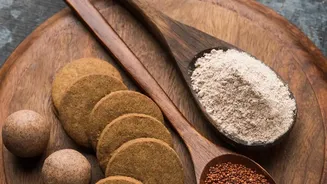
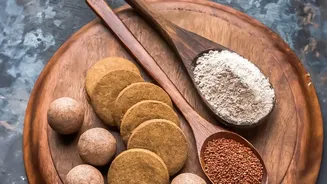
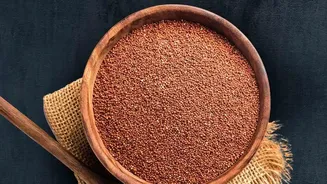
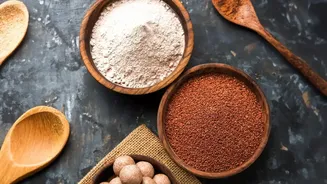
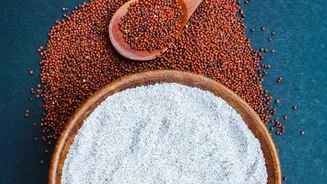
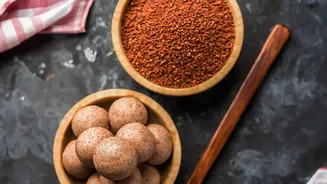
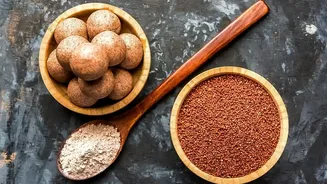
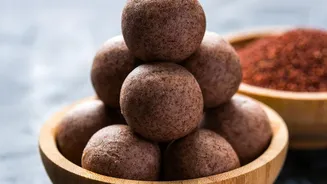
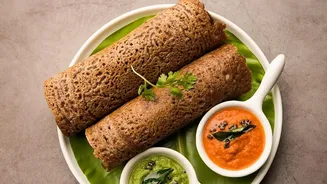
Ragi, also known as nachni, is a nutritional champion celebrated for its remarkable health benefits. It is one of the best plant-based sources of calcium, crucial for bone health, and is also rich in iron and dietary fibre. Its high fibre content aids in digestion and promotes a feeling of fullness, which can help with weight management. Ragi has a distinctive earthy flavour that pairs wonderfully with ingredients like chocolate, banana, and jaggery. Because it's gluten-free, it is an excellent option for those with gluten sensitivities or celiac disease. When used in baking, it lends a beautiful, deep colour and a dense, satisfying texture to cakes and cookies.
Understanding Bajra (Pearl Millet)
Bajra, or pearl millet, is another powerhouse grain with a slightly nutty flavour and warming properties, making it popular in the winter months. It is an excellent source of magnesium, iron, protein, and fibre. The high fibre content supports digestive health, while minerals like magnesium are vital for heart health and regulating blood pressure. Like ragi, bajra is naturally gluten-free and has a low glycemic index, which means it releases energy slowly and helps maintain stable blood sugar levels. This makes it a smart choice for sustained energy. In baking, it offers a rustic, wholesome texture, making it ideal for breads, muffins, and cookies.
A Practical Guide to Baking with Millets
Swapping traditional flour for ragi or bajra requires a few adjustments, as these gluten-free flours behave differently. Since they lack gluten, which provides structure, they can result in denser, more crumbly bakes. For best results, it's often recommended not to go for a 100% substitution right away. Start by replacing 25-30% of the maida or whole wheat flour in your recipe with millet flour and see how you like the texture. You can gradually increase the proportion as you get more comfortable. Millet flours are also thirsty, so you might need to increase the liquid content—like milk, water, or oil—to keep the batter moist. Using binders like eggs, yoghurt, mashed bananas, or flaxseed meal can also help improve the texture and prevent the final product from becoming too dry.
Perfect Flavour Pairings
The unique tastes of ragi and bajra can be enhanced with the right flavour combinations. Ragi's earthy notes are a perfect match for rich, bold flavours. Chocolate is a classic pairing, as seen in many ragi-chocolate cake recipes where the cocoa complements the millet's deep taste. Other excellent partners include bananas, jaggery, walnuts, and cardamom. Bajra’s nutty profile works well with traditional Indian sweeteners and spices. Jaggery, for instance, adds a caramel-like sweetness that balances bajra's flavour perfectly. It also pairs beautifully with almonds, vanilla, and warming spices like cinnamon and nutmeg. Experimenting with these combinations can turn a simple healthy bake into a truly delicious treat.
Easy Bakes to Start With
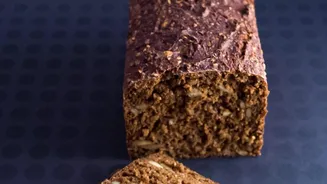
If you're new to baking with millet flours, start with simple recipes that are more forgiving. Cookies are a great entry point, as their dense, chewy texture works well with ragi and bajra. Muffins and quick breads, especially those with moist ingredients like banana or pumpkin, are also excellent choices. You can try making a simple ragi banana bread or bajra chocolate chip cookies. Pancakes are another easy way to incorporate these flours into your diet. As you gain confidence, you can move on to more complex recipes like layered cakes, but starting small will help you understand how these flours work and what adjustments you need to make.