




Embrace Warm, Nourishing Soups
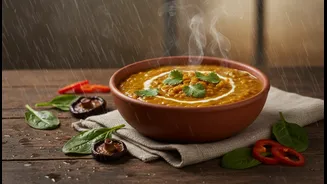
When it's raining outside, a warm bowl of soup is both comforting and incredibly healthy. Soups are hydrating and easy to digest, which is crucial during monsoon when our digestive system can be sluggish. They are also a fantastic way to load up on vegetables
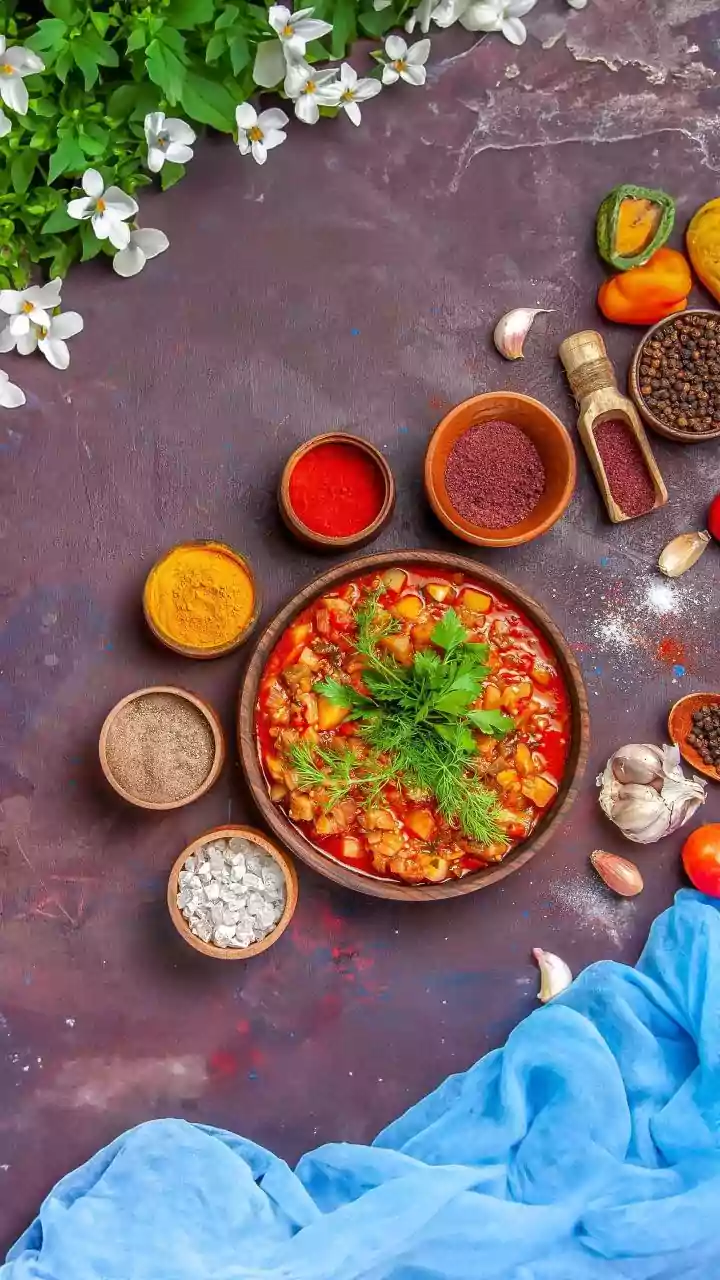
and immunity-boosting spices. You don’t need complicated recipes. A simple moong dal shorba, a classic tomato soup seasoned with ginger and black pepper, or a clear vegetable broth are all excellent choices. These one-pot meals require minimal effort but deliver maximum nutrition, helping you stay warm and fight off seasonal infections.
The Steaming Solution
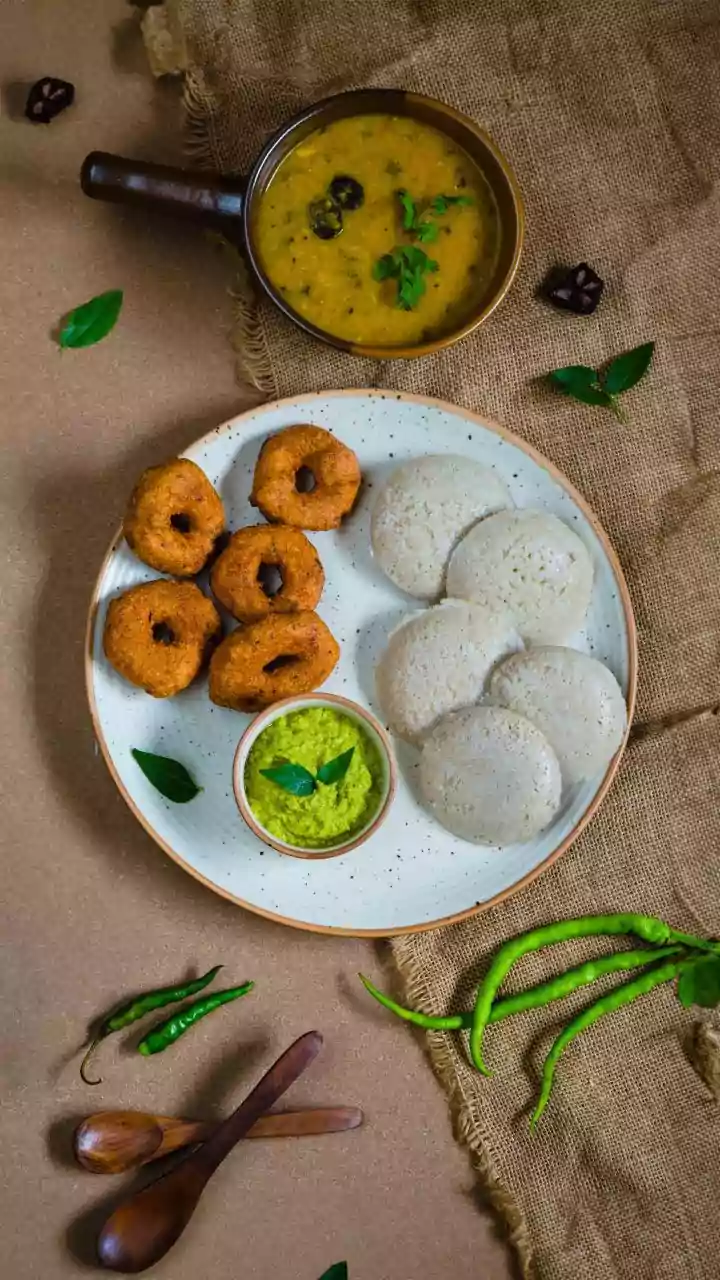
Steaming is one of the healthiest and simplest cooking methods, perfect for the rainy season. It cooks food gently without adding oil, preserving nutrients that can be lost with other methods like frying. Steamed vegetables like carrots, beans, and broccoli, served with a sprinkle of salt and pepper, make for a light and wholesome meal. You can also try making steamed snacks like dhokla or vegetable-stuffed momos at home. This technique aligns with Ayurvedic principles that recommend light, easy-to-digest foods during the Varsha Ritu (monsoon season) to keep your digestive fire strong.
The Comfort of Khichdi
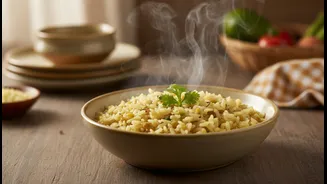
Khichdi is widely considered the ultimate comfort food in India, and for good reason, especially during monsoon. A simple mix of rice and lentils, it’s a balanced meal that is gentle on the stomach and provides sustained energy. Moong dal khichdi, in particular, is highly recommended as it's the easiest to digest. You can easily enhance its nutritional value by adding vegetables like peas and carrots. Cooking it in a pressure cooker is a quick, one-pot process that requires very little active time. A teaspoon of ghee on top not only adds flavour but also aids digestion.
Spice Up Your Immunity
Indian spices are not just for flavour; they are packed with medicinal properties that are especially beneficial during the monsoon. Turmeric is a powerful anti-inflammatory, ginger aids digestion, garlic has antibacterial properties, and black pepper helps the body absorb nutrients. Incorporating these into your daily meals is simple. Add freshly grated ginger to your tea, sprinkle turmeric into your dals and sabzis, and use garlic in your tadkas. A simple kadha, a traditional Ayurvedic drink made by boiling spices like tulsi, ginger, cloves, and cinnamon, can also do wonders for preventing colds and coughs.
Snack Smart, Not Heavy
Monsoon evenings often trigger intense cravings for fried, heavy snacks like pakoras and samosas. While indulging once in a while is fine, making it a habit can lead to indigestion and weight gain. Thankfully, there are plenty of healthier alternatives that are just as satisfying and much easier to make. Roasted corn on the cob (bhutta) is a classic, healthy choice. You can also try making baked or air-fried versions of your favourite snacks like pakoras or samosas to cut down on oil. A simple sprout chaat (with cooked sprouts) or a handful of roasted makhana are other quick and nutritious options.
Rethink Your Greens and Salads
Health experts and Ayurvedic tradition often advise caution with raw vegetables, especially leafy greens, during the monsoon. The high humidity can lead to a greater risk of microbial contamination. This doesn't mean you have to give up on vegetables. Instead of raw salads, opt for lightly sautéed or steamed vegetables. Washing produce thoroughly and cooking it well is the safest approach. This simple change ensures you get your daily dose of vitamins and minerals without risking an upset stomach, a common complaint during this season.