



A Season of Renewal
The period from September to November is increasingly becoming a favourite for domestic travellers. Once considered an off-season, the post-monsoon months now offer a unique window to experience India at its most refreshed. The benefits are clear: fewer
crowds than in the peak winter season, clearer skies, and landscapes bursting with life after months of rain. This time of year provides a perfect middle ground, avoiding the intense summer heat and the peak winter tourist rush, making it ideal for those seeking quieter, more immersive experiences. Hotels and travel companies often provide better deals, making it a cost-effective time to explore.
Wildlife Sanctuaries Reopen Their Gates
For wildlife enthusiasts, the post-monsoon season is particularly exciting as many national parks reopen in October after being closed during the rains. The vegetation is lush and dense, and water sources are plentiful, making animal sightings more frequent. Parks like Bandhavgarh and Kanha in Madhya Pradesh, known for their tiger populations, become accessible again. Ranthambore in Rajasthan also reopens, offering chances to spot tigers against a vibrant green backdrop. In Assam, Kaziranga National Park, home to the one-horned rhinoceros, welcomes visitors to its rejuvenated grasslands. Down south, Bandipur National Park is considered a prime destination in October for spotting its large population of wild elephants.
The Allure of the Open Road
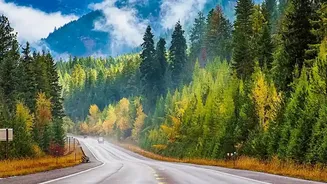
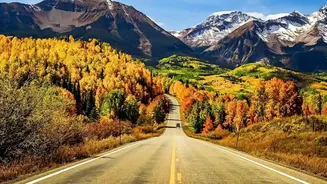
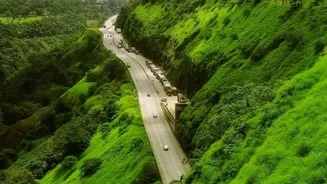
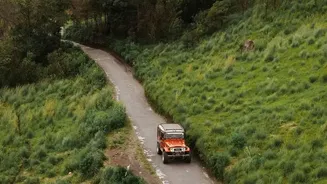
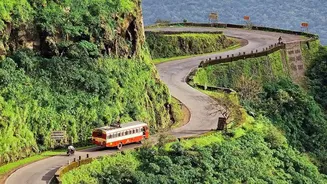
With freshly washed landscapes and pleasant weather, road trips become a major attraction. The journey itself becomes the destination as travellers drive through stunning scenery. The iconic Manali to Leh highway often remains open until late September or early October, offering breathtaking views of the Himalayas against clear blue skies with fewer crowds. In the south, the Western Ghats are a post-monsoon dream. A drive from Bangalore to Coorg takes you through misty hills and verdant coffee plantations. Similarly, the route from Kochi to Munnar in Kerala winds through tea gardens and past gushing waterfalls, showcasing the region's intense greenery. For those seeking coastal beauty, the drive from Mumbai to Goa along NH-66 offers a mix of lush ghats and sea views.
Chasing Green and Misty Landscapes
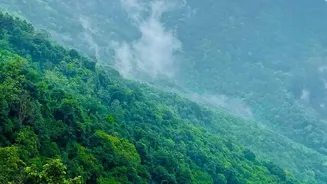
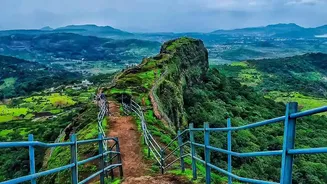
The end of the monsoon is the best time to witness India's landscapes in their most verdant state. Hill stations that were drenched in rain become accessible and incredibly beautiful. Munnar in Kerala, with its rolling tea estates, is a sea of green, often shrouded in a gentle mist. Coorg in Karnataka, famous for its coffee plantations and spice gardens, is another popular choice. In the northeast, Meghalaya lives up to its name as the 'abode of clouds', with roaring waterfalls and its famous living root bridges set against lush hills. The Tirthan and Sainj Valleys in Himachal Pradesh also retain their greenery long after the rains, offering serene escapes amidst pine and deodar forests.
Planning Your Post-Monsoon Trip
While the weather is generally pleasant, it's wise to be prepared. In mountainous regions, always check road conditions before you travel, as late-season rains can sometimes cause disruptions. If you're planning a wildlife safari, it's essential to book your permits and accommodation well in advance, as parks can get busy right after reopening. Packing layers is a good strategy, as mornings and evenings can be cool, especially at higher altitudes. A light waterproof jacket can also come in handy for unexpected showers. Most importantly, maintain a flexible itinerary to fully enjoy the spontaneous beauty this season has to offer.