





The Myth of the Monsoon Shutdown
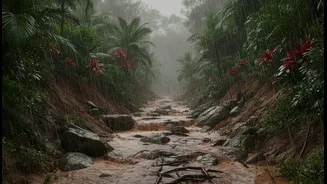
Conventional wisdom dictates that India’s national parks close their gates from July to September. For the most part, this is true. The monsoon rains make jungle tracks impassable, and it’s a critical breeding season for many species. Core areas of famous
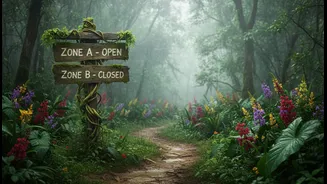
tiger reserves like Kanha, Bandhavgarh, and Kaziranga shut down to allow nature to rejuvenate without human interference. This has led to a widespread belief that the safari season is strictly a winter and summer affair. But this is where the story gets interesting. The closure primarily affects the core zones—the most protected inner sanctums of the parks. A different set of rules often applies to the areas surrounding them.
The Buffer Zone Advantage
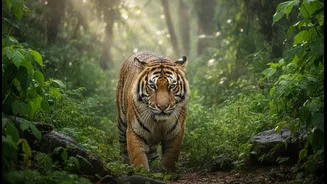
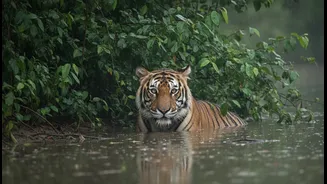
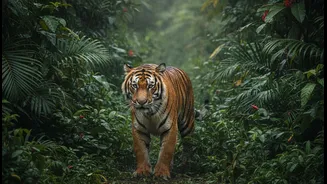
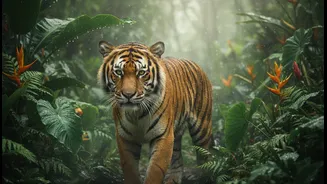
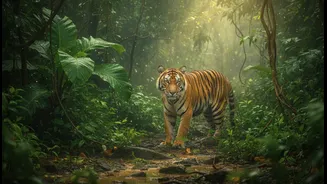
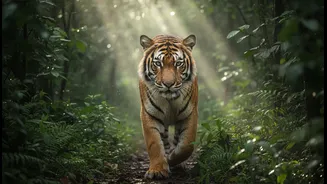
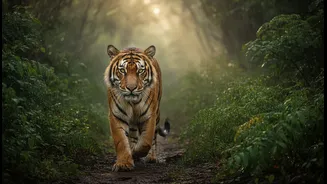
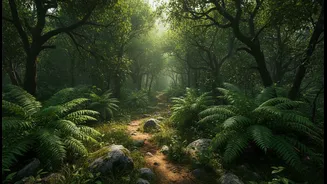
The “monsoon loophole” lies in the buffer zones. These are the outer rings of the forest that act as a transitional area between the core habitat and human settlements. Wildlife, especially territorial animals like tigers and leopards, doesn't recognize these man-made boundaries and frequently moves through them. Recognizing an opportunity for sustainable, year-round tourism, many forest departments now keep these buffer zones open for safaris. A monsoon safari in a buffer zone is a completely different experience. The forest is transformed into a lush, emerald paradise, with dramatic skies and swollen streams. The air is fresh, the dust is gone, and the usual tourist crowds are nowhere to be found, offering a more serene and intimate connection with the wilderness.
Where to Go: Ranthambore, Rajasthan
Famed for its majestic tigers set against ancient ruins, Ranthambore National Park is a prime example of the monsoon loophole. While its popular core zones (1-5) close, a significant portion of the park—specifically zones 6 through 10—remains open for safaris. These zones offer a unique landscape during the rains, with the Aravalli hills draped in green and water bodies teeming with life. While tiger sightings might require more patience due to the dense foliage, the experience of exploring a rain-washed Ranthambore without the usual crowds is a reward in itself. The dramatic monsoon skies also create stunning opportunities for photographers.
Where to Go: Jim Corbett, Uttarakhand
India’s oldest national park also offers a fantastic monsoon experience. It’s a common myth that Corbett shuts down entirely. In reality, several of its buffer zones, including Jhirna, Dhela, Phato, and Sitabani, remain accessible year-round. These areas, with their grasslands and riverbeds, are excellent for spotting herds of elephants, wild boar, and various deer species. The monsoon is also a phenomenal time for birdwatching, as resident birds are highly active and migratory species begin to arrive. Activities like rafting on the Kosi River, which is only possible when water levels are high during the monsoon, add another layer of adventure to your trip.
Other Monsoon-Ready Parks
The monsoon safari trend is growing, and several other parks offer similar opportunities. In Maharashtra, the buffer zones of Tadoba-Andhari Tiger Reserve, known for its high tiger density, remain open and accessible. Pench National Park, straddling Madhya Pradesh and Maharashtra, also keeps its buffer gates open, inviting visitors into the very forests that inspired "The Jungle Book". In Madhya Pradesh, Satpura National Park is renowned for its unique monsoon activities, including canoe safaris and nature walks in its buffer areas. Down south, parks like Nagarhole in Karnataka and Periyar in Kerala are open year-round, offering lush, misty landscapes and excellent elephant sightings.
Know Before You Go
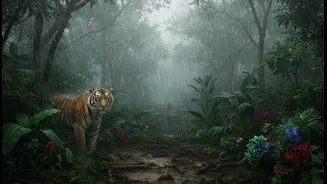
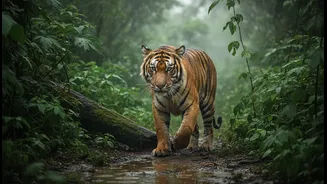
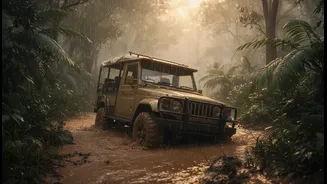
A monsoon safari is a thrilling adventure, but it requires some preparation. The weather can be unpredictable, so waterproof gear is essential. Safari tracks can be slushy, and drives may be subject to last-minute changes depending on rainfall intensity. Animal sightings are also different; while predators like tigers and leopards are still active—often using the rain to their advantage for hunting—the thick vegetation can make them harder to spot. However, the trade-off is a vibrant, living jungle. It's an experience that prioritizes atmosphere and immersion over just ticking off a checklist of big cats, appealing to photographers, nature lovers, and anyone seeking solitude.