
The Ancient Comfort of Khichdi
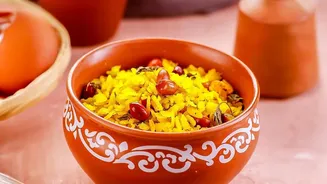
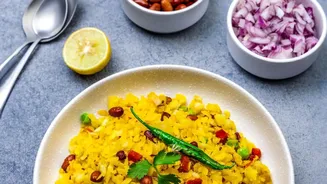
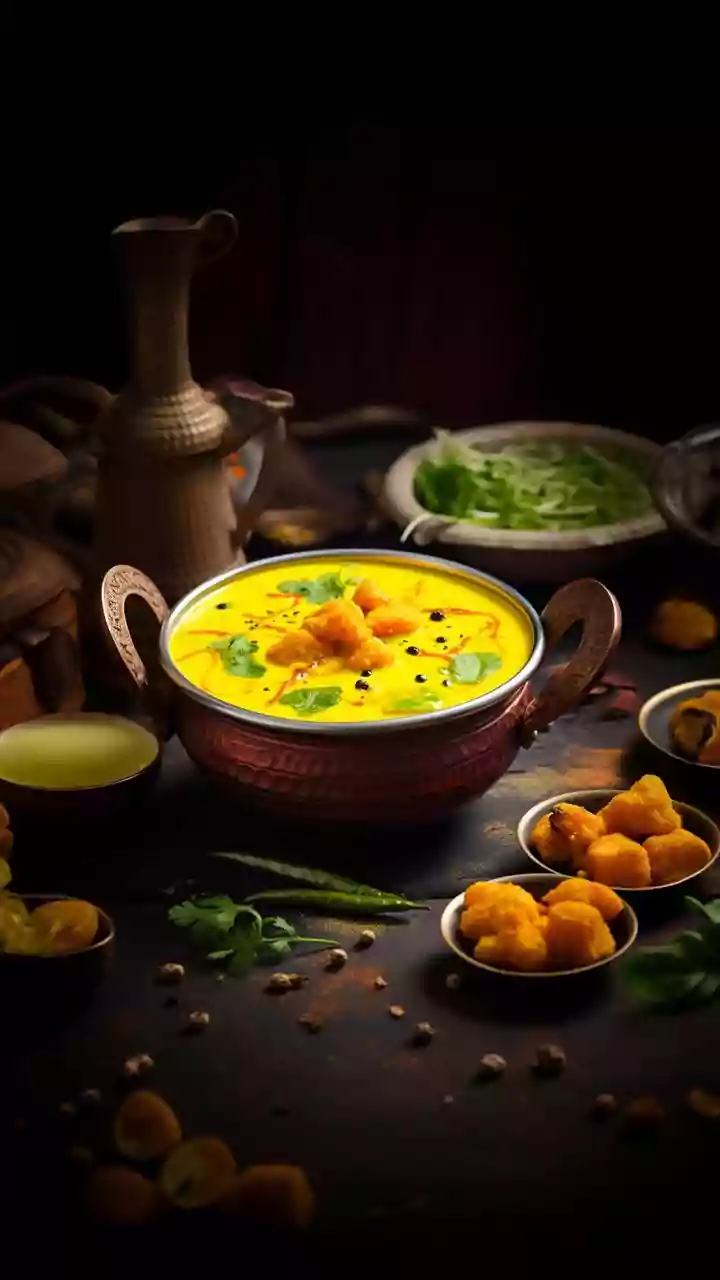
Perhaps no dish encapsulates culinary longevity better than khichdi. Mentioned in ancient texts and noted by travellers for centuries, this humble mixture of rice and lentils is a testament to the genius of Indian home cooking. Historian Mohsina Mukadam
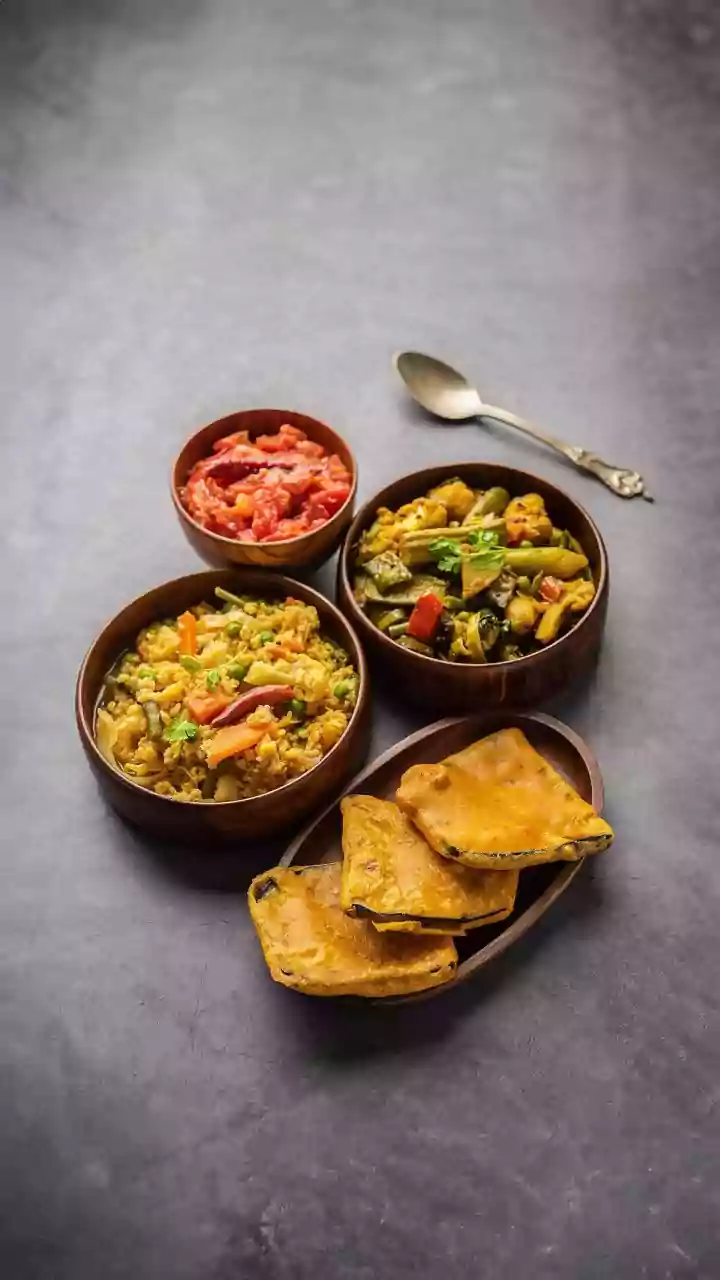
has described it as one of India's most ancient foods, yet one that has hardly changed. Its name derives from the Sanskrit word 'khiccā', meaning a dish of rice and pulses. Archaeological evidence from 2000 years ago in Maharashtra shows burnt particles of rice and green gram cooked together, proving its ancient origins. Greek king Seleucus, during his Indian campaign around 305 BC, noted that a dish of rice and pulses was incredibly popular among the people. The 14th-century Moroccan explorer Ibn Battuta also wrote about its widespread consumption. While it served as a simple, nourishing meal for the masses and one of the first solid foods for babies, it also found a place on royal menus. The Mughals elevated it with rich ghee and spices, with Emperor Jahangir even creating his own special version called 'Lazeezan'.
Dal: The Pulse of the Nation
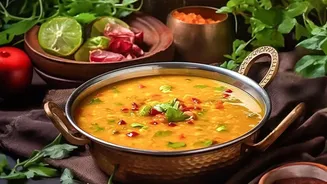
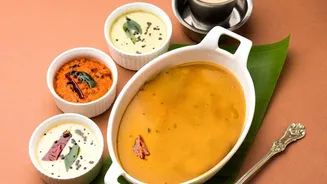
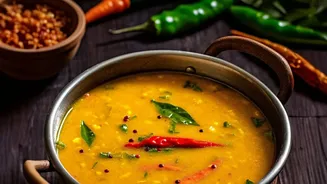
Dal is the ultimate unifier of the Indian kitchen. Evidence of lentil cultivation dates back to the Indus Valley Civilization around 2500 BCE. Ancient texts like the Vedas mention pulses, and Ayurvedic scriptures celebrated dal for both its nutritional and medicinal properties. For thousands of years, this simple lentil soup has been a primary source of protein for a large part of the population, its importance growing with the rise of vegetarianism during the Maurya and Gupta Empires. The word 'dal' itself comes from the Sanskrit root 'dal', which means 'to split'. Like khichdi, dal was a dish for everyone. While a simple dal tadka, made with yellow lentils, could be found in the humblest of homes, royal kitchens experimented endlessly. The famous Panchmel Dal, a mixture of five lentils, and other elaborate preparations were born from the desire of royal chefs to impress their emperors.
Achaar: A Taste of Time Itself
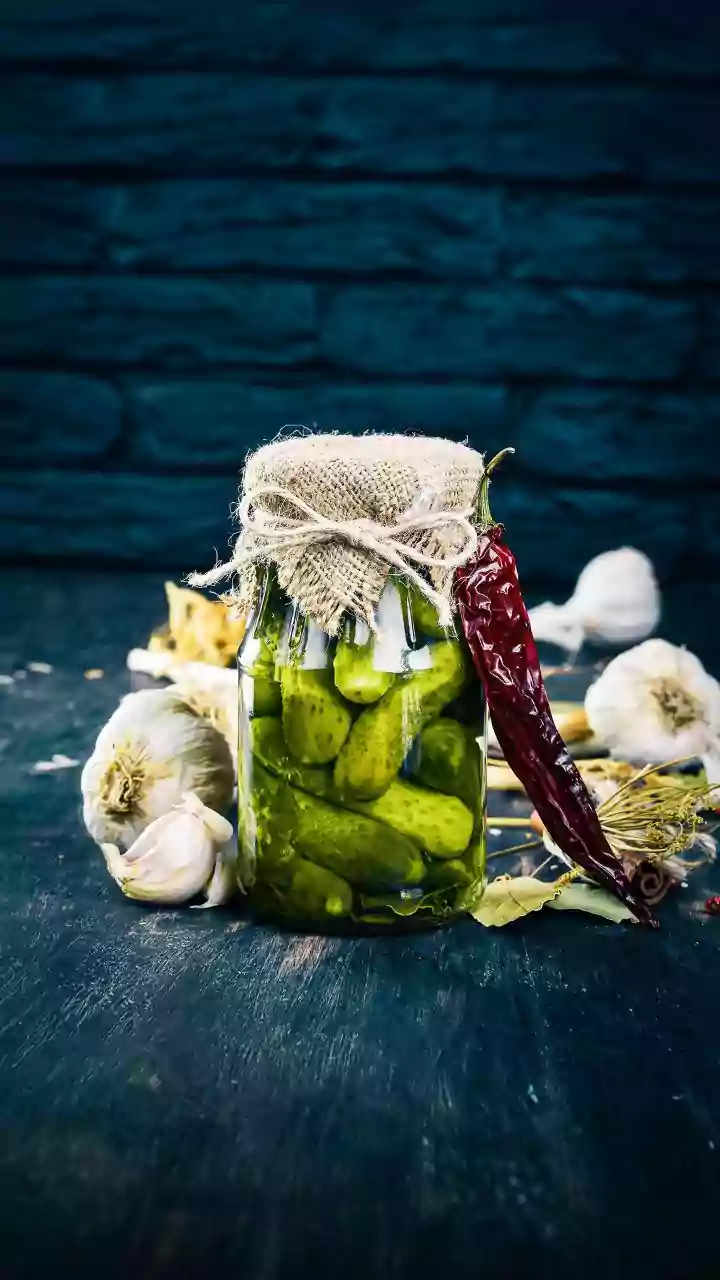
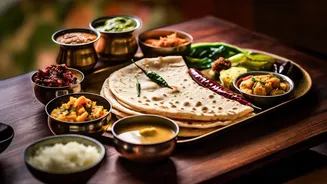
Beside the main dishes, another constant on the Indian thali is achaar, or pickle. Much more than a condiment, pickling is an ancient science of preservation born out of necessity in a land of fluctuating seasons. The history of pickling can be traced back thousands of years in India, with some suggesting the practice originated here. The earliest methods involved simply preserving fruits and vegetables in salt or oil. Over time, with the flourishing spice trade, ingredients like mustard seeds, fenugreek, and asafoetida transformed pickling into a culinary art form. References to pickled fruits appear in ancient texts like the Mahabharata. Achaar is a time capsule of flavour, capturing the essence of seasonal bounty for the months ahead. The act of making pickles is often a communal family activity, with recipes passed down through generations, making each jar a taste of not just spice, but of love and heritage.
Your Daily Plate as a History Book
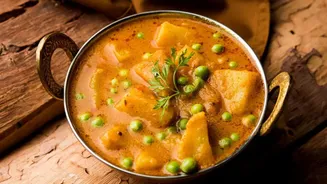
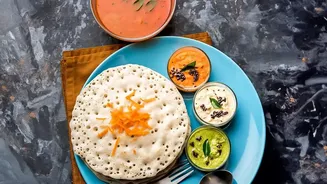
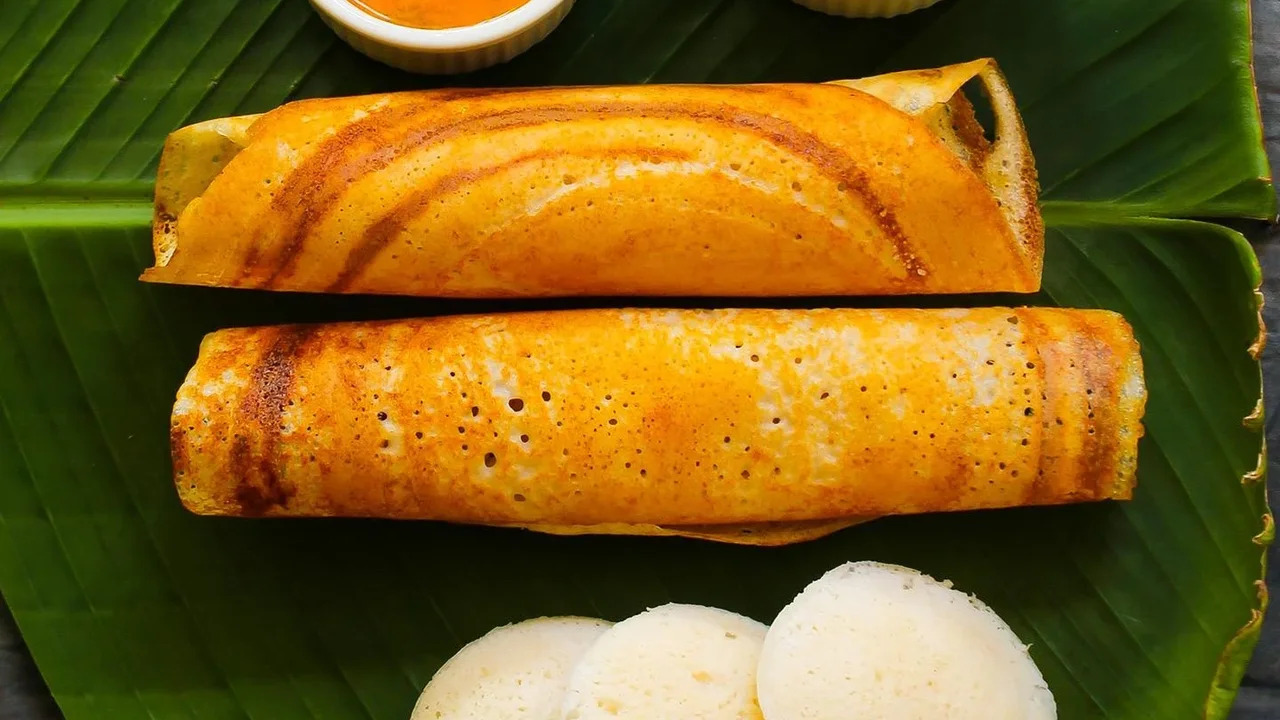
The story of these enduring dishes is one of remarkable adaptability. They have survived invasions, shifting empires, and changing trade routes, absorbing new influences while retaining their core identity. Fermented foods like idli and appam showcase sophisticated kitchen techniques that predate modern agents by over a thousand years. The Mughals enriched our cuisine with aromatic biryanis and creamy gravies, while the British introduced vegetables like potatoes and tomatoes, which are now staples. What makes these everyday dishes so resilient is their simplicity and versatility. They are built on a foundation of locally available grains, pulses, and spices, allowing for endless regional variations. From the Khichuri of Bengal to the Bisi Bele Baath of Karnataka, the core concept adapts to local tastes and ingredients, yet remains recognizably the same. Every meal is a connection to this long, unbroken chain of culinary history.