








A Landmark Lift-Off for India
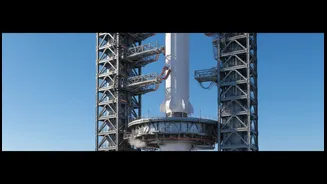
On July 18, 2026, all eyes will turn to the Satish Dhawan Space Centre as Skyroot Aerospace attempts to make history. The planned launch of Vikram-1, named Mission 'Aagaman', is poised to be India's first-ever orbital mission conducted by a private company.
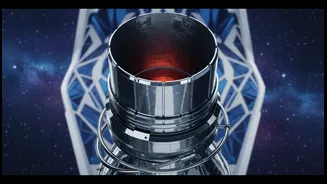
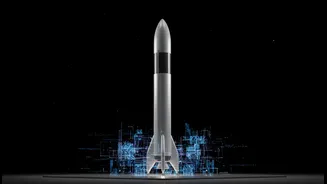
This is a monumental step up from the suborbital flight of its predecessor, Vikram-S, in 2022. An orbital rocket is designed not just to touch space, but to achieve the velocity needed to place satellites into a stable orbit around Earth, a far more complex challenge. The seven-storey-tall Vikram-1 is built to carry small satellites weighing up to 480 kg into Low Earth Orbit. Developed by the Hyderabad-based startup, the vehicle showcases homegrown innovation with its all-carbon composite structure and 3D-printed engines. A successful launch will not only validate Skyroot’s technology but also signal to the world that India's private sector is ready for the global space race.
Fuelling a New Job Market
While the Vikram-1 rocket is the star of the show, its development has quietly fueled a significant expansion in high-skilled employment. The headline’s “hiring boom” reflects a wider trend sweeping across India's entire space technology ecosystem. The nation's private space sector, which has grown from a handful of companies to over 400 since reforms began in 2020, is on a trajectory to create over 200,000 new jobs by 2033. Skyroot Aerospace itself exemplifies this growth, hiring for roles ranging from experienced lead engineers to diploma-holding technicians for its production and quality control departments. This mission is more than a technical demonstration; it's a powerful catalyst, proving that private Indian space companies can handle complex, end-to-end projects, thereby unlocking investment and creating a ripple effect of job creation. The success of pioneers like Skyroot gives confidence to the entire industry, encouraging more startups to hire and more talent to join the sector.
The Skills for a Spacetech Career
The growing demand for talent in the space sector extends far beyond traditional aerospace engineering. Companies are building lean, interdisciplinary teams to innovate at high speed. As a result, the definition of a 'space professional' has expanded dramatically. There is a rising demand for specialists in software development, particularly with knowledge of Python and C++, as well as experts in AI, machine learning, and data analytics who can process the vast amounts of information sent back from satellites. Electrical and electronics engineers are crucial for developing avionics, communication payloads, and sensor systems. Furthermore, there is a strong need for professionals with skills borrowed from adjacent industries, including mechanical engineers with experience in advanced materials and manufacturing, robotics experts, and CNC programmers. For students and young professionals, this means that a career in space is more accessible than ever, provided they build a strong foundation in core engineering, mathematics, and computer science principles.
An Ecosystem Taking Flight
The Vikram-1 launch is not an isolated event but a direct result of a strategic shift in national policy. The opening of the space sector to private participation in 2020, coupled with the creation of the regulatory body IN-SPACe, has been instrumental. This framework allows private companies like Skyroot to access ISRO’s world-class facilities and expertise, accelerating their development timelines. This collaborative model helps ISRO focus on deep-space and strategic missions while private players drive innovation in the commercial launch market. The success of Vikram-1 is expected to unlock further private investment, creating a self-sustaining cycle of growth. This vibrant ecosystem, comprising hundreds of startups, their suppliers, and a growing pool of specialised talent, is what will propel India's ambition to capture a larger share of the global space economy, projected to be worth hundreds of billions of dollars.