




Ladakh's Hidden Spring Secret
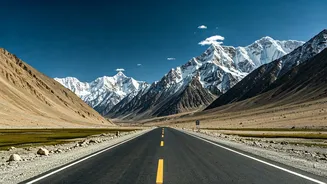
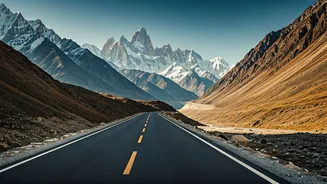
When you picture Ladakh, you likely imagine vast, barren mountains under a piercing blue sky. While that dramatic beauty is ever-present, the region holds a lesser-known secret that reveals itself only in spring. From late April through May, as the snow
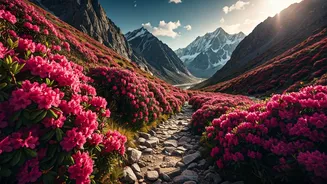
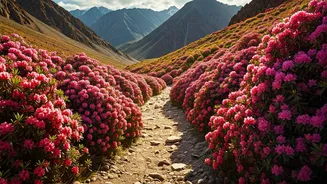
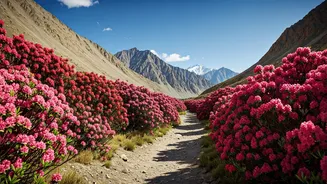
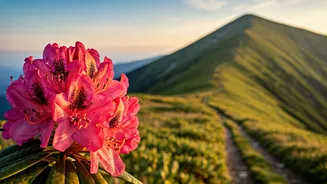
melts in the lower valleys, a surprising burst of life emerges. The star of this show is the wild rhododendron. Known locally as 'gulab-tsal,' the state flower of Himachal Pradesh, Rhododendron arboreum, and its high-altitude cousin, Rhododendron campanulatum, splash brilliant reds, pinks, and purples across hillsides that are otherwise shades of brown and grey. This month offers a unique window to witness this transformation, turning a standard trek into a vibrant botanical journey.
Where to Find the Rhododendron Trails
The key to finding these floral paths is to think beyond Leh town and look towards the lower, wetter valleys of the wider Ladakh region. While the high-altitude plateau around Leh is too dry for these forests, several treks accessible via a short drive will lead you into these blooming havens. The Sham Valley Trek: Often called the 'baby trek' due to its relatively low altitude (never crossing 4,000 metres), this is your best bet. The trail winds through fertile valleys and villages between Likir and Temisgam. In May, the slopes around villages like Yangthang and Hemis Shukpachan are dotted with flowering rhododendron shrubs and apricot blossoms. It's the perfect introduction to Ladakh trekking and its floral beauty. Lower Markha Valley: While the full Markha Valley trek is a high-altitude endeavour, the initial sections from Chilling or Spituk can offer glimpses of rhododendrons. Look for them in sheltered, north-facing gullies where moisture is retained. The contrast of bright pink flowers against the rugged canyon walls is spectacular.
Planning Your Floral Trek
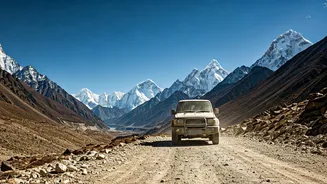
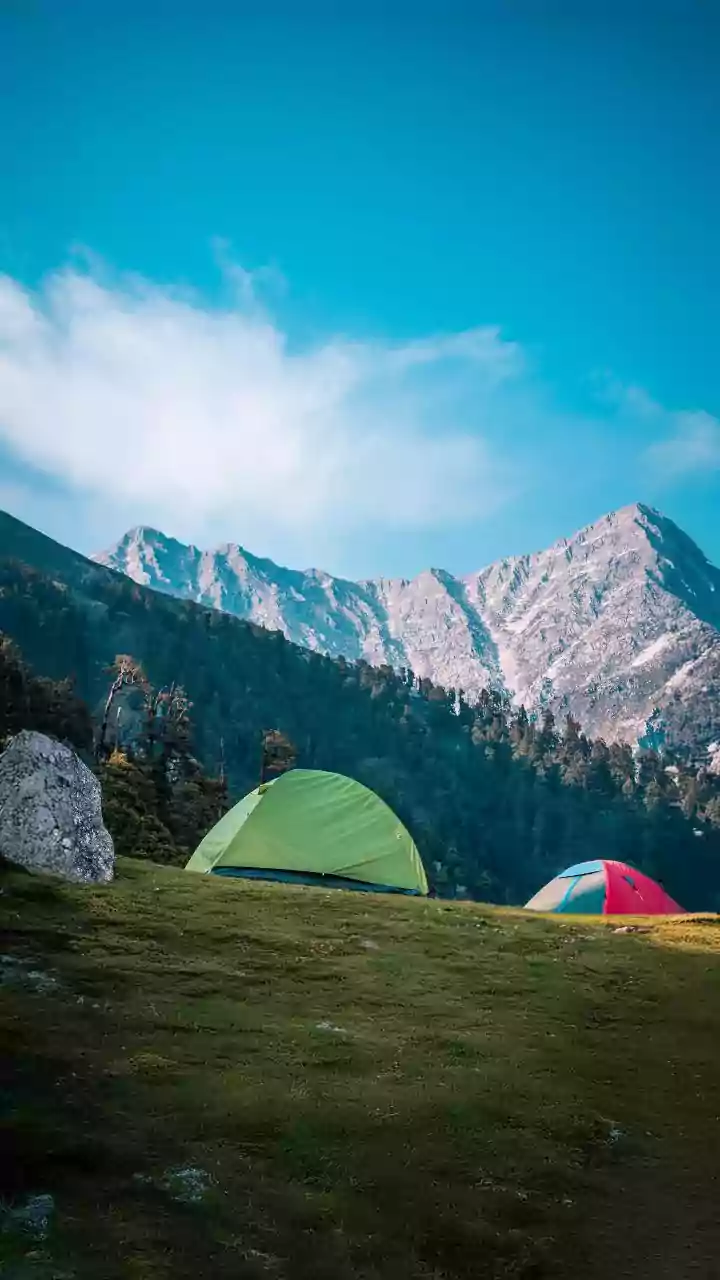
A rhododendron trek requires a bit of specific planning. First, acclimatisation is non-negotiable. Spend at least two full days in Leh (3,500 metres) before attempting any physical activity. This allows your body to adjust to the low oxygen levels. For a route like the Sham Valley, you have options. You can hire a guide and porters for a multi-day camping experience or arrange homestays in the villages along the route. Homestays offer a wonderful cultural immersion and a comfortable bed at the end of the day. They can be booked through local travel agencies in Leh. If you're short on time, even a day trip can be rewarding. Hire a taxi from Leh to drive you to Likir, and from there you can do a day hike towards Yangthang and back. You’ll get a fantastic feel for the landscape and see plenty of blooms without committing to a multi-day journey.
What to Pack for a Spring Trek
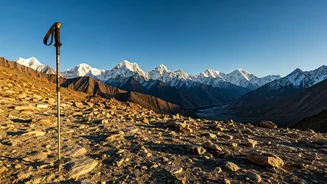
Spring weather in Ladakh is a game of contrasts. The sun can be incredibly strong, while the shade and evenings remain bitingly cold. Layering is your best strategy. Clothing: Pack a base layer (thermals), a fleece or mid-layer jacket, and a windproof and waterproof outer shell. Trekking trousers are ideal, and a warm hat and gloves are essential for the evenings. Footwear: Sturdy, comfortable trekking shoes with good grip are a must. Make sure they are well broken-in before your trip. Sun Protection: The high-altitude sun is intense. Bring high-SPF sunscreen (SPF 50+), a wide-brimmed hat, and quality sunglasses. Essentials: Carry a reusable water bottle (plastic is discouraged), a small first-aid kit, and your camera with extra batteries, as the cold can drain them quickly. A good daypack is needed to carry your layers, water, and snacks.
Trekking with Respect
As you enjoy the natural beauty, it's crucial to be a responsible traveller. Ladakh's ecosystem is fragile. Stick to the designated trails to prevent erosion and protect the delicate flora. Do not pick the flowers; they are a vital part of the local ecosystem and are best enjoyed in their natural habitat. When staying in homestays, you are a guest in someone's home—be respectful of their customs and traditions. Always carry out any non-biodegradable waste you produce. By practising 'Leave No Trace' principles, you help ensure these pristine paths remain beautiful for generations to come.