


What Exactly Is a Feathered Haircut?
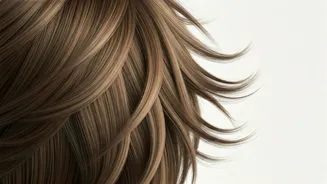
First, let's distinguish it from its cousin, the layered cut. While both create dimension, they use different techniques. A classic layered cut involves trimming hair into distinct tiers of varying lengths to build shape and volume. Feathering, on the other
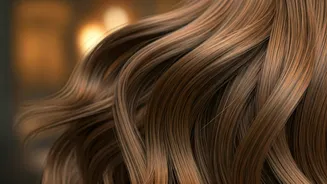
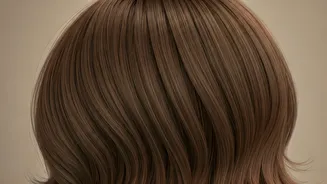
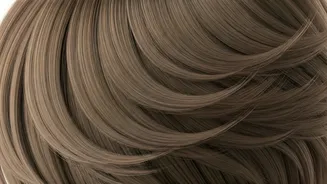
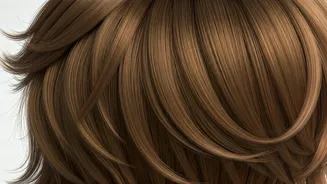
hand, is a finishing technique where the stylist cuts into the ends of the hair at an angle, creating soft, wispy tips that resemble the texture of a feather. This approach removes bulk, adds airy movement, and results in layers that blend seamlessly and flick away from the face.
A Modern Take on a Retro Classic
The feathered look was famously popularised in the 1970s by stars like Farrah Fawcett, becoming an iconic symbol of the decade's glamorous, wind-blown aesthetic. Today's version, however, is less about sky-high volume at the roots and more focused on creating soft, wearable texture. Modern interpretations range from the 'butterfly cut,' which features shorter, face-framing feathered layers, to subtle feathering on bobs and even pixie cuts. It's being embraced for its versatility and ability to feel both nostalgic and completely current.
Why Is the Feathered Cut Trending Now?
The resurgence aligns perfectly with the current demand for hairstyles that are effortlessly chic and relatively low-maintenance. A well-executed feathered cut enhances your hair's natural texture, allowing for beautiful air-dried styles with just a bit of product. It adds shape and movement without requiring complicated styling routines. Celebrities like Hailey Bieber have been spotted with feathered bobs, while social media is filled with tutorials for achieving the soft, flipped-out ends at home, further fuelling its popularity.
Is This Look Right For You?
The beauty of the feathered cut is its adaptability. It's particularly flattering for those with fine to medium hair, as the technique adds volume and the illusion of fullness without weighing the hair down. Those with thick hair can also benefit, as feathering is an excellent way to reduce bulk and add softness. It works well on straight and wavy hair, enhancing natural movement. While it can be adapted for curly hair, the feathered effect is often most visible when the hair is styled straight or in loose waves.
How to Ask for a Feathered Cut
Communication with your stylist is key to getting the look you want. Instead of just asking for 'layers,' specify that you want soft, 'feathered' ends. It’s helpful to discuss where you want the shortest layers to start—often around the chin or cheekbones to frame the face beautifully. You can also bring in photos of modern feathered styles you admire. Mentioning terms like 'wispy ends,' 'soft texture,' and 'face-framing layers' will help your stylist understand the desired outcome.
Styling Your Feathery Layers at Home
Achieving that signature flick doesn't have to be complicated. The classic method involves using a round brush while blow-drying, pulling sections of hair up and away from the face to create a soft outward curve at the ends. For a quicker approach, a curling iron or wand can be used to create a slight flip on the ends of your layers. To enhance the airy texture, finish with a lightweight texturizing spray or a small amount of volumizing mousse. The goal is movement and softness, not stiff, perfect curls.