





The Myth of 'Spicy' vs. 'Flavourful'
Let's clear up a common misunderstanding: 'spicy' and 'flavourful' are not the same thing. The sensation of heat in food comes from capsaicin, a compound found in chillies. Flavour, on the other hand, is a complex symphony of taste and aroma created by
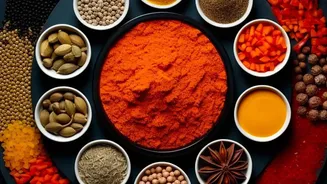
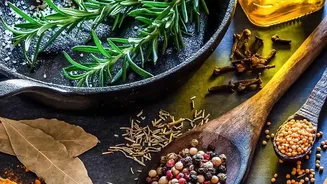
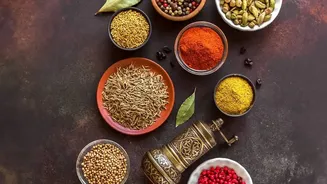
a vast array of compounds in other ingredients. Spices like cumin, coriander, turmeric, cardamom, and cloves contribute aroma and depth, not heat. Many traditional Indian dishes are celebrated for their intricate blend of these aromatic spices, designed to be fragrant and satisfying rather than overwhelmingly pungent. By focusing on these non-hot spices, you can build layers of taste that are rich and complex, proving that a dish doesn't need to make you sweat to be delicious.
The Magic of Toasting Spices
One of the most transformative yet simple techniques in an Indian kitchen is the proper heating of spices. This isn't just a ritual; it's science. Heating spices releases their volatile essential oils, which are responsible for their distinct aromas and tastes. There are two primary methods to achieve this: dry-roasting and blooming. Dry-roasting involves heating whole spices in a dry pan over medium heat until they become fragrant and slightly darker. This creates a nutty, earthy, and more complex flavour, perfect for grinding into spice mixes like garam masala. Blooming, known as tadka or tempering, involves briefly frying spices in hot oil or ghee. This method extracts the fat-soluble flavours from the spices and infuses the oil, which then coats the entire dish, distributing its aroma evenly. Mastering these two techniques is a game-changer for enhancing flavour without adding any heat.
A Symphony of Aromatic Spices
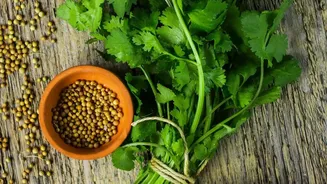
Your spice box is an orchestra, and you are the conductor. To create harmony in a mild dish, learn the notes of your key players. Cumin seeds, when toasted, offer a warm, earthy aroma. Coriander seeds provide a citrusy, floral brightness. Fennel seeds add a hint of sweet anise, while cloves bring a pungent, sweet warmth. Green and black cardamom pods contribute complex camphor-like and smoky notes, respectively. The trick is to use them in balance. A simple combination of toasted and ground cumin and coriander forms the backbone of countless vegetable dishes. A single clove or a crushed cardamom pod can elevate a simple rice pulao. Instead of reaching for more chilli powder, experiment with a pinch of this or a pod of that to see how they interact and build a more interesting flavour profile.
The Power of Fresh and Dried Herbs
Flavour isn't limited to the dry spices in your masala dabba. Herbs play a vital role, adding layers of freshness and aroma that spices alone cannot. Fresh coriander leaves, added at the end of cooking, lend a vibrant, citrusy lift to everything from dal to sabzi. Mint leaves offer a cooling counterpoint, perfect for raitas and chutneys. Curry leaves, when sizzled in the tadka, release a unique, savoury perfume that is quintessentially South Indian. Then there are dried herbs, like kasoori methi (dried fenugreek leaves). Crushing these between your palms and adding them to a dish in the last few minutes of cooking imparts a deep, savoury, and slightly bitter note that adds incredible complexity to gravies and vegetable preparations. Knowing when to use fresh versus dried herbs is key to building a complete flavour picture.
Bringing It All Together: Flavouring a Simple Dal
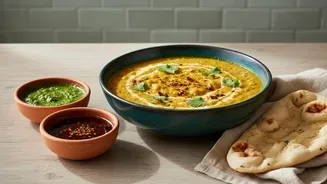
Let's apply these principles to a staple dish: a simple yellow dal. While the lentils are boiling with turmeric and salt, you can prepare your flavour base. In a separate pan, heat some ghee. Add whole cumin seeds and wait for them to sizzle and pop. This is your tadka beginning. Now add finely chopped onions, ginger, and garlic, and sauté until golden. This caramelisation builds a sweet, foundational flavour. Next, add your ground spices—coriander powder, a pinch of garam masala, maybe a touch of asafoetida—and bloom them in the oil for just 30 seconds until fragrant. Add chopped tomatoes and cook until soft. This flavour base is then mixed into the cooked dal. For a final flourish, finish with a squeeze of lemon juice to brighten the flavours and a generous handful of chopped fresh coriander. The result is a dal that is profoundly flavourful and aromatic, with zero reliance on excessive chilli heat.