






The Modern Worker's Fitness Dilemma
The reality for many office workers is a sedentary day followed by a scramble to fit in exercise. The goal isn't just to move, but to move effectively—to counteract the effects of sitting, manage stress, and maintain a healthy weight. The fitness world
presents two main paths for cardiovascular exercise: going hard and fast, or long and slow. This is the core of the debate between High-Intensity Interval Training (HIIT) and Low-Intensity Steady-State (LISS) cardio. They both burn calories and improve heart health, but their methods and additional benefits couldn't be more different.
What Is High-Intensity HIIT?
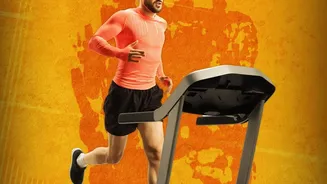
High-Intensity Interval Training involves short, explosive bursts of all-out exercise followed by brief periods of rest or low-intensity recovery. Think 30 seconds of sprinting, followed by 60 seconds of walking, repeated for 15-20 minutes. During the 'on' intervals, your heart rate should soar to 80-95% of its maximum. The appeal is clear: HIIT is incredibly time-efficient. A full session, including warm-up and cool-down, can be done in under 30 minutes, making it a perfect fit for a packed schedule.
What Is Smooth LISS Cardio?
Low-Intensity Steady-State cardio is the opposite. It involves maintaining a consistent, manageable pace for a longer duration, typically 30 to 60 minutes. During a LISS workout, your heart rate stays in a lower zone, around 50-70% of its maximum. Activities like brisk walking, light jogging, cycling at a conversational pace, or using the elliptical are classic examples of LISS. It’s less demanding on the body and focuses on building endurance rather than explosive power.
The Case for HIIT: Time-Efficiency and the Afterburn
For the time-crunched desk worker, HIIT’s biggest advantage is its efficiency. You can achieve significant cardiovascular benefits in a fraction of the time it takes for a traditional workout. But the real magic happens after you stop. HIIT is famous for triggering the 'afterburn effect', scientifically known as Excess Post-exercise Oxygen Consumption (EPOC). Because the workout is so intense, your body has to work hard for hours afterward to recover—repairing muscle tissue and restoring oxygen levels. This recovery process burns extra calories long after you've left the gym, boosting your overall metabolism. Studies suggest this afterburn can account for an additional 6-15% of the calories burned during the workout itself.
The Case for LISS: Sustainability and Stress Reduction
While HIIT is intense, LISS is gentle. Its lower impact makes it a safer starting point for beginners and reduces the risk of injury, a key consideration for those unaccustomed to regular exercise. For desk workers battling chronic stress, LISS can be a form of moving meditation. The steady, rhythmic nature of a long walk or bike ride can help clear your head and lower cortisol levels, unlike the high-stress state induced by HIIT. Because it's less demanding, many people find LISS more enjoyable and easier to stick with consistently. Consistency, after all, is the most critical factor for long-term health and fitness success.
How to Choose: A Guide for the Desk-Bound
The best choice depends entirely on your goals, lifestyle, and current fitness level. Choose HIIT if: - Your schedule is packed and you only have 20-30 minutes to spare. - Your primary goal is maximum calorie burn and fat loss in minimum time. - You enjoy pushing your limits and find intense workouts motivating. Choose LISS if: - You're new to exercise or returning after a long break. - You want to reduce stress and enjoy the mental health benefits of exercise. - You need a low-impact option that's easier on your joints. - You're looking for an active recovery activity on days between tougher workouts. Many experts agree that the ideal routine often includes both. You might perform two HIIT sessions a week for the metabolic benefits and complement them with two or three LISS sessions for endurance, recovery, and mental clarity.