


The Sun’s Unseen Temper
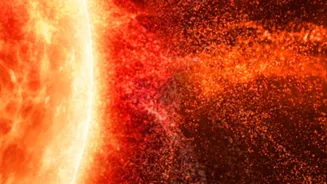
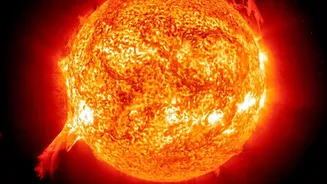
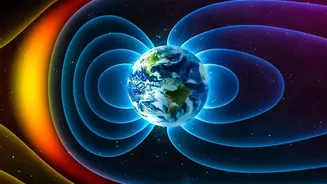
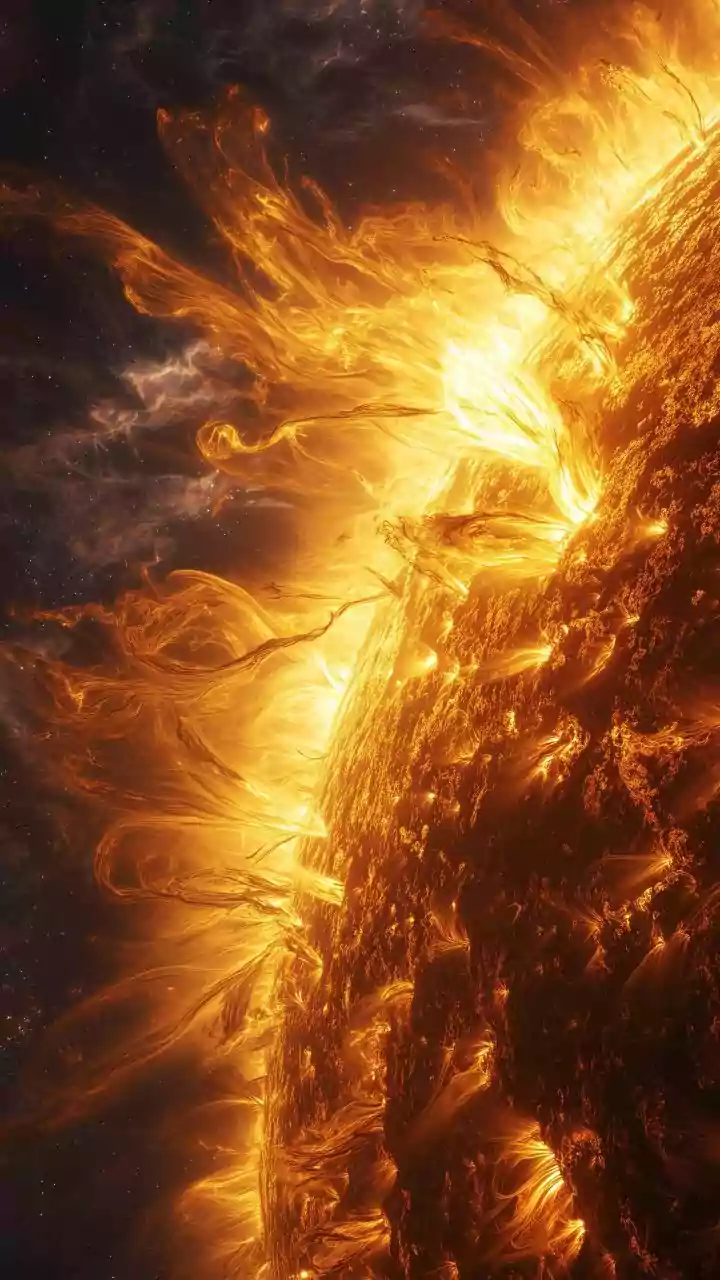
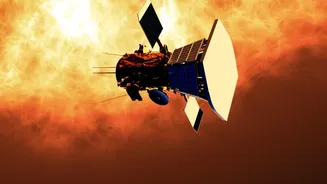
Space weather refers to the changing conditions in space driven by the Sun. The main culprits are solar flares, which are intense bursts of radiation, and coronal mass ejections (CMEs), which are massive explosions of plasma and magnetic fields from the Sun's
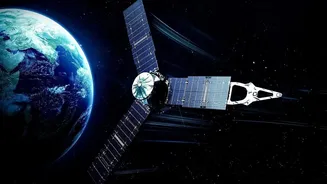
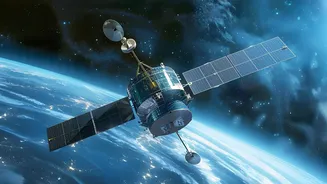
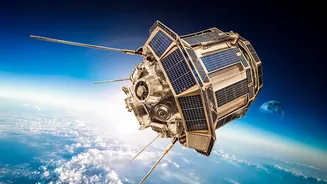
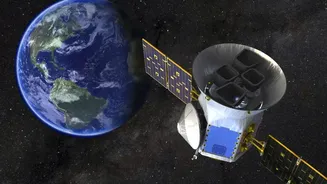
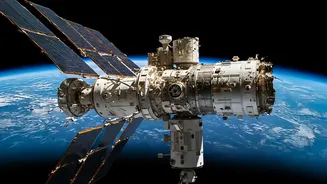
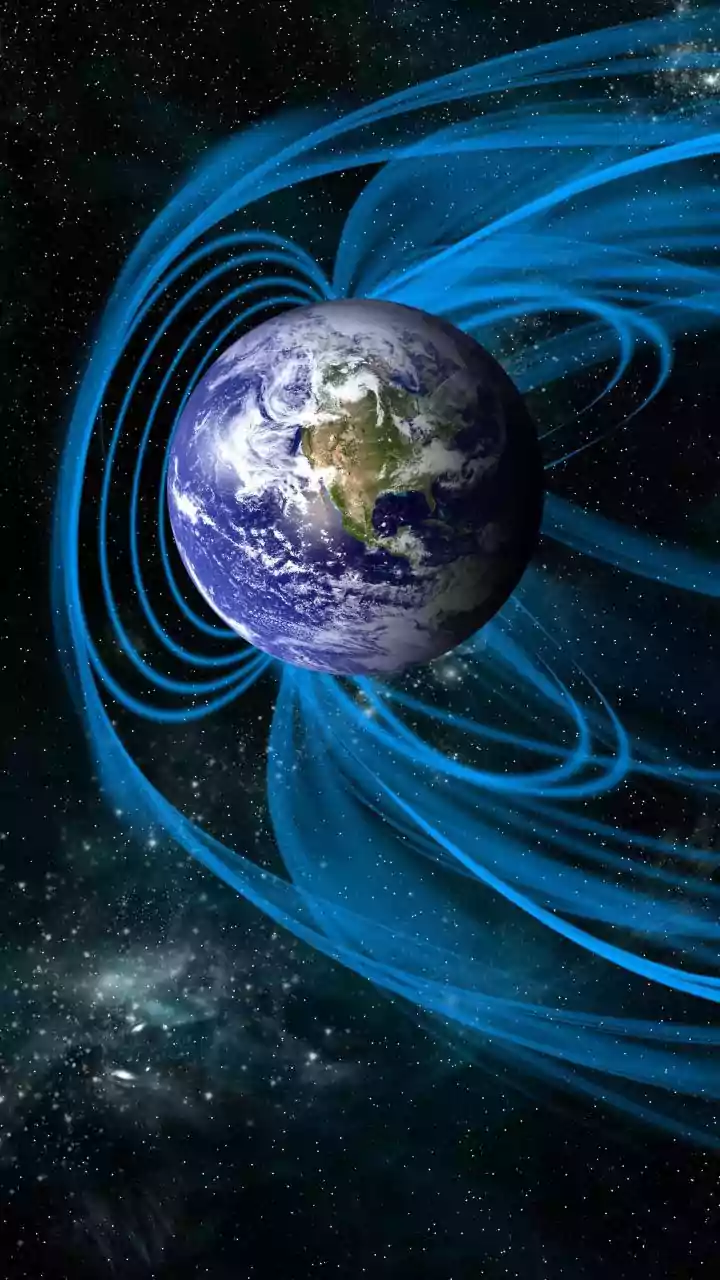
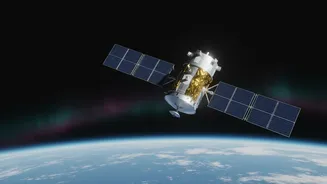
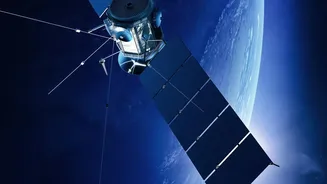
outer atmosphere. When these events are aimed at Earth, they can have serious consequences. While our planet's magnetic field and atmosphere protect us on the ground, satellites in orbit are highly vulnerable. The high-energy particles from a solar event can damage sensitive electronics, corrupt data, degrade solar panels, and even cause complete satellite failure. In one stark example from 2022, a relatively minor geomagnetic storm heated the atmosphere, increasing drag and causing 40 newly launched Starlink satellites to fall out of orbit and burn up.
A High-Stakes Celestial Gamble
The global economy is deeply intertwined with satellite technology. Industries from telecommunications and broadcasting to aviation, precision agriculture, and financial services rely on the timing and location data provided by Global Navigation Satellite Systems (GNSS), such as GPS. An extreme space weather event could disrupt these systems, with some experts warning that the first 'trillion-dollar storm' may come from the sun, not a hurricane. A severe geomagnetic storm could damage transformers and lead to widespread, cascading power outages on the ground, disabling the control stations that manage satellites. The potential losses from business interruption and supply chain disruptions globally are estimated to be in the hundreds of billions, and potentially trillions, of dollars.
A Revolution in Forecasting
For decades, predicting the impact of a CME has been a major challenge. Forecasters could see an eruption leave the Sun, but determining its severity upon reaching Earth was difficult. Current systems often provide only 15 to 60 minutes of warning for the fastest-moving storms. However, a new generation of tools is changing the game. Scientists are leveraging artificial intelligence and machine learning to sift through vast amounts of data from solar observatories and create more accurate predictive models. For instance, NASA's MAGE (Multiscale Atmosphere-Geospace Environment) model, released in late 2025, combines several smaller models to create a comprehensive simulation of how geospace reacts to solar events. This allows for a more detailed understanding of phenomena like the geomagnetic storms that create brilliant auroras.
New Eyes on the Sun
Beyond AI, new observational hardware is poised to provide unprecedented early warnings. The European Space Agency's HENON mission, scheduled for a 2027 launch, will feature a magnetometer built in the UK. By positioning itself much farther from Earth than current monitors, it aims to extend the warning time for severe storms from minutes to several hours. This mission is a precursor to a more permanent operational system. Similarly, NOAA's Space Weather Next program is planning a series of new observatories to be launched between 2029 and 2032 to ensure resilient, 24/7 monitoring of the Sun. These new vantage points in space will provide the critical data needed to feed the next generation of forecasting models, giving satellite operators more time to take protective measures.
A Shield for Our Connected World
These advanced warnings translate into real-world protection for the services we take for granted. With several hours' notice, satellite operators can take mitigating actions, such as temporarily shutting down non-essential systems, reorienting spacecraft to protect sensitive components, or adjusting orbits to minimize atmospheric drag. This increased lead time helps prevent costly damage and service interruptions. For the average person, this means more reliable GPS navigation, fewer disruptions to satellite internet and television, and greater stability for the countless hidden systems—from financial trading to power grid management—that rely on precise timing signals from space. As our reliance on space-based infrastructure grows, these forecasting improvements are becoming less of a scientific curiosity and more of an economic and societal necessity.