







Choose Breathable Fabrics
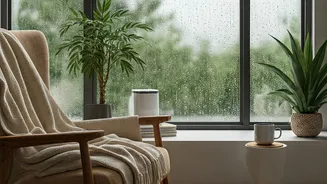
During hot and humid months, heavy fabrics like velvet or thick polyester can feel stifling and trap moisture, leading to musty smells. The simplest swap for a renter is to change furnishing fabrics. Opt for lightweight and breathable materials like cotton,
linen, or cotton blends for your curtains, bedsheets, and sofa covers. These natural fibres allow for better air circulation, helping to keep spaces cool and preventing the damp feeling that's common during the monsoon. Sheer or lace curtains are an excellent choice as they allow maximum daylight to filter through on gloomy, overcast days while still offering privacy.
Select Climate-Smart Furniture
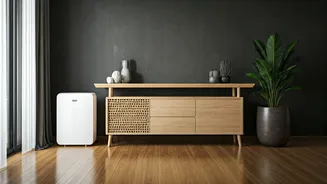
Wooden furniture is prone to swelling and warping in the high humidity of the monsoon season. While solid woods like teak and sheesham are more resistant, they can be a heavy investment for a rental property. A practical choice for renters is furniture made from materials that are less susceptible to climatic changes. Consider pieces made from metal, bamboo, or synthetic rattan (also known as resin wicker). These materials handle moisture well, don't expand in the heat, and are generally lightweight and more affordable. If you have existing wooden furniture, try to place it away from windows and damp walls to prevent damage.
Manage Floors and Fight Dampness
Floors can become a major headache during the monsoon, with tracked-in mud and constant dampness. Since you can't change the flooring in a rental, focus on protective and practical additions. Place highly absorbent doormats, preferably made of coir or jute, at all entrances to trap mud and water. For high-traffic areas or balconies, consider temporary and waterproof solutions like vinyl or PVC runners. They are easy to clean and can be rolled up and stored after the season. To combat the musty odour that accompanies dampness, use natural solutions. Place bowls of camphor, silica gel packs, or charcoal pouches in cupboards and corners to absorb excess moisture. Scented candles and essential oil diffusers with fragrances like citrus, lavender, or sandalwood can also keep the home smelling fresh.
Beat the Heat with Smart Window Treatments
The intense summer sun can turn a home into an oven, especially in urban apartments. The right window treatments can make a significant difference without any permanent changes. Invest in solar-reflective blinds or dual-layer curtains. A combination of sheer curtains for light and thicker, blockout curtains for heat works perfectly. The sheer layer allows for diffused light, while the blackout layer can be drawn during peak afternoon hours to trap heat and keep the room cool. Light-coloured curtains in shades of white, beige, or pastels are more effective as they reflect sunlight instead of absorbing it.
Use Colour and Light to Your Advantage
During the grey monsoon months, homes can feel dark and gloomy. Counter this by introducing pops of bright, warm colours through cushion covers, throws, and rugs. Shades like mustard yellow, burnt orange, or turquoise can instantly lift the mood of a room. In contrast, for the harsh summer, visually cooling colours like sage green, pale blue, and soft beige can make a space feel more serene and less stuffy. Lighting also plays a crucial role. On overcast days, use warm-toned LED bulbs in table lamps and floor lamps to create a cosy, inviting glow instead of relying solely on harsh overhead lighting.
Bring the Outdoors In (Thoughtfully)
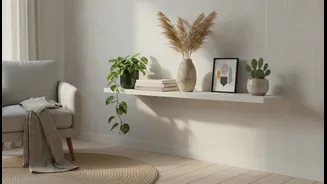
Indoor plants are a great way to improve air quality and add a touch of nature to your home. During the monsoon, they help create a refreshing ambiance that syncs with the greenery outside. For summers, plants can have a cooling effect. Peace lilies, snake plants, and ferns are excellent low-maintenance choices that thrive indoors. You can also place potted plants or climbers in balconies to create a natural screen that shades the walls and reduces heat absorption. In a rental, using a collection of colourful pots can serve as a decor element in itself.