


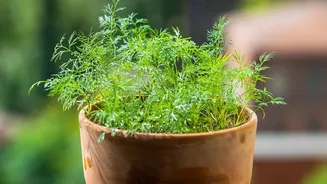

Why Green is the New Black
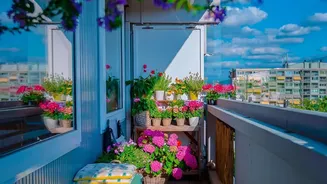
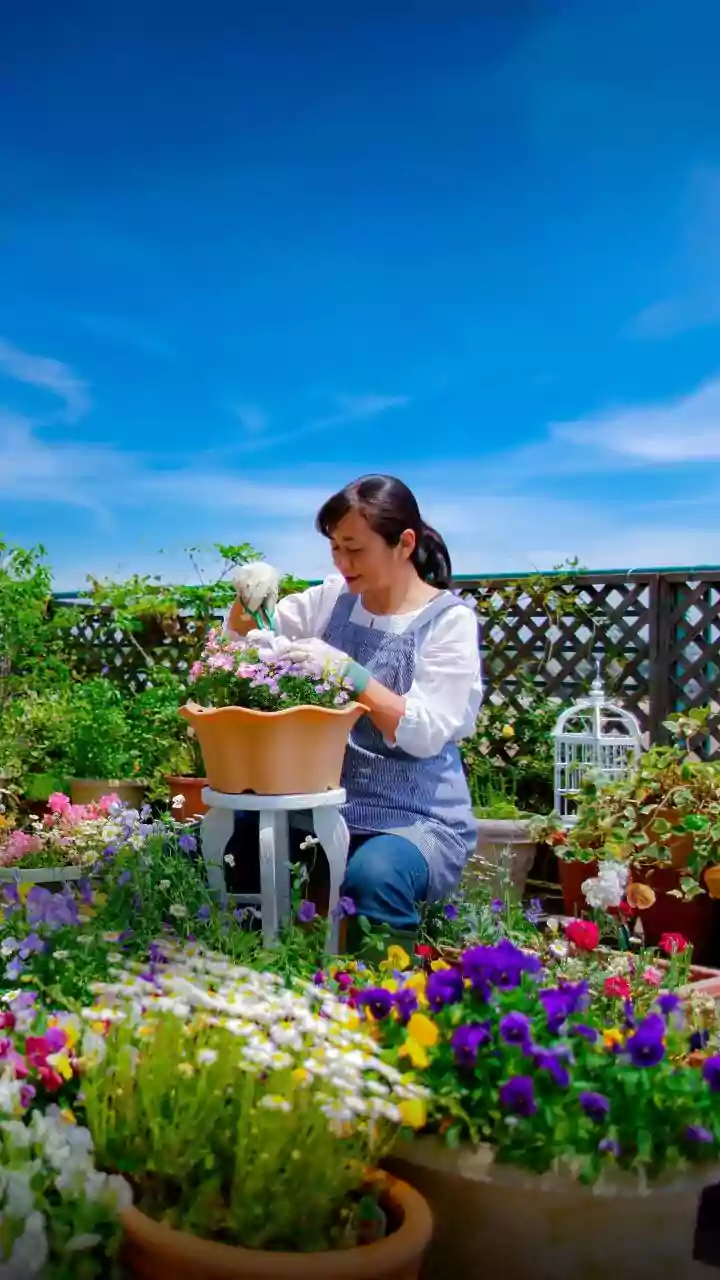
The trend towards apartment herb gardens is driven by a mix of practicality and a deeper need to connect with nature. In dense urban landscapes where green space is a luxury, a pot of tulsi or a planter of mint offers a welcome patch of life. This movement
gained significant momentum during the pandemic lockdowns, as people sought new hobbies and a greater sense of self-sufficiency. What began as a temporary pastime has blossomed into a lasting lifestyle choice for many, fueled by social media where city gardeners share their successes and tips, making the prospect feel accessible to everyone.
More Than Just Flavour
The appeal of a home-grown herb garden extends far beyond the kitchen. While the ability to snip fresh coriander for a curry or mint for chai is a major draw, the benefits are more holistic. Growing herbs can be a therapeutic and stress-relieving activity, offering a mindful break from the digital world. There's a tangible sense of accomplishment in nurturing a plant from seed to harvest. Furthermore, these small gardens can lead to cost savings on groceries, especially with the rising prices of fresh produce. Many herbs also improve indoor air quality and act as natural insect repellents, making your home healthier and more pleasant.
Your Essential Starter Kit
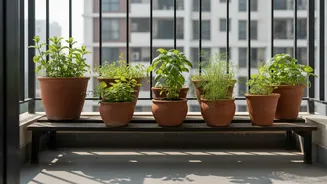
Starting an herb garden is surprisingly simple and doesn't require a large budget. The three absolute essentials are containers, soil, and light. Choose pots with good drainage holes to prevent water from logging at the roots, which is a common reason for failure. Avoid using heavy garden soil; instead, opt for a light, well-draining potting mix designed for containers, which you can find at any local nursery. Finally, identify a spot that gets at least four to six hours of sunlight per day, like a south-facing window or a balcony. Most common herbs need this direct light to truly thrive.
Five Fail-Proof Herbs for Indian Apartments
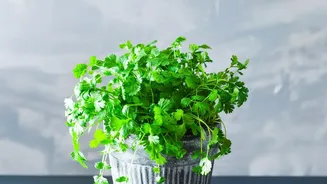
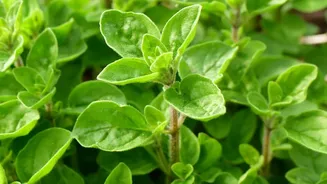
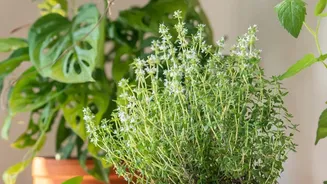
Not all herbs are created equal when it comes to indoor gardening. For beginners, it's best to start with hardy, low-maintenance varieties that do well in pots. Mint (Pudina) is famously easy to grow and spreads quickly, giving you a constant supply. Tulsi (Holy Basil) is a staple in many Indian homes, revered for both its culinary and medicinal properties, and it thrives in pots with regular watering. Coriander (Dhania) can be grown for its leaves and provides the satisfaction of a quick harvest. Curry Leaves (Kadi Patta) are essential in South Indian cooking and can be grown in a large pot on a sunny balcony. Lastly, Ajwain (Carom) is another resilient herb whose leaves have a distinct flavour and are easy to cultivate in small containers.
Common Mistakes to Avoid
The most frequent error new gardeners make is overwatering. Herbs prefer their soil to be moist, not waterlogged. A good rule of thumb is to water only when the top inch of soil feels dry. Another pitfall is insufficient light; if your herbs look long and spindly, they are likely stretching to find more sun. Finally, don't be afraid to harvest. Regularly trimming your herbs actually encourages them to grow bushier and more productive. Start small with just a few pots to build your confidence before expanding your collection.