






Why Grate? The Texture is Everything
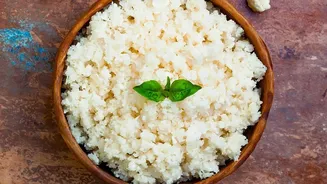
While a food processor is fast, it can often over-process cauliflower, resulting in small, wet bits that easily turn to mush when cooked. Using the large holes of a simple box grater creates longer, more distinct strands that resemble couscous or orzo.
This method produces a fluffier, more grain-like final product that holds its texture far better during cooking. The process might take a minute longer, but the payoff in texture is significant, giving you a base that's pleasantly toothsome rather than soggy.
The Simple How-To Guide
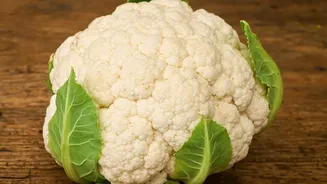
Making grated cauliflower is straightforward. Start with a clean, thoroughly dry head of cauliflower. Removing as much moisture as possible from the start is key to preventing a watery final dish. Cut the head into large chunks that are easy and safe to hold, then simply grate them against the large holes of a box grater, just as you would a block of cheese. Be mindful of your fingers as you get to the end of each piece. This technique works equally well whether you use a whole head for meal prep or just a small portion for a single serving.
Quick-Cooking for Busy Weeknights
One of the greatest advantages of grated cauliflower is its speed. It cooks much faster than traditional rice. The most common method is to sauté it in a large skillet over medium-high heat with a little olive oil. Cook for just 5 to 7 minutes, stirring occasionally, until it's tender-crisp and lightly golden. It's important not to cover the pan, as trapped steam will make it soggy. For an even faster method, you can microwave it in a covered dish for 3 to 4 minutes. Roasting is another option, which takes about 15-20 minutes but develops a deeper, nuttier flavour.
A Versatile Base for Countless Meals
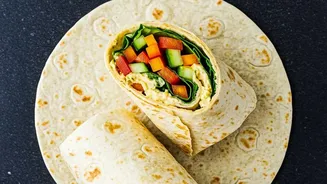
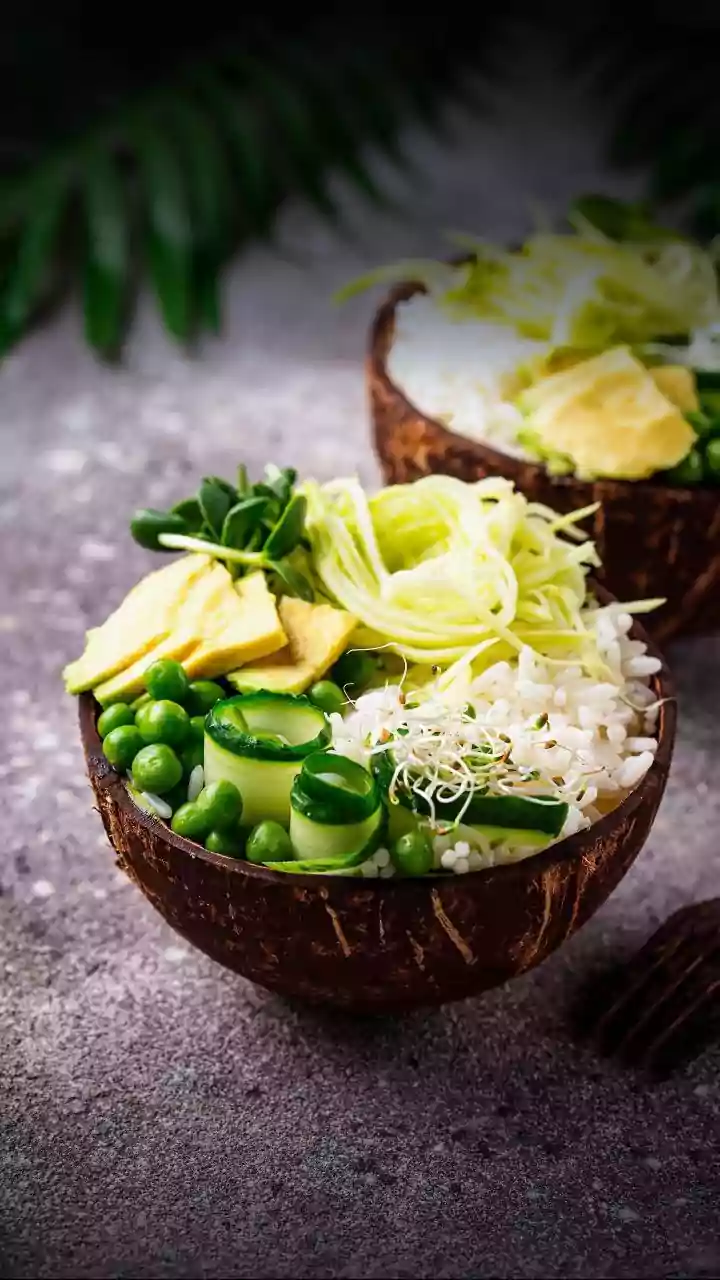
Think of grated cauliflower as a blank canvas. Its mild flavour allows it to absorb the tastes of whatever you pair it with, making it incredibly versatile. Use it as a simple side dish, seasoned with salt, pepper, and fresh herbs. It's an excellent base for saucy dishes like curries or stews, where it soaks up flavour without becoming heavy. You can also use it to build vibrant grain-style bowls, create a healthier fried 'rice' with egg and vegetables, or mix it into patties and fritters for added nutrition and texture.
The Nutritional Advantage
Swapping traditional grains for cauliflower offers significant nutritional benefits. A cup of cauliflower rice contains around 25-30 calories and about 5 grams of carbohydrates, compared to over 200 calories and 45 grams of carbs in a cup of white rice. It is an excellent source of Vitamin C and Vitamin K, and also provides a healthy dose of fibre. This high fibre content helps with digestion and promotes a feeling of fullness, which can be beneficial for weight management.