


Understanding the Bloom Cycle
The Valley of Flowers National Park, a UNESCO World Heritage Site in Uttarakhand, is not a year-round destination. It's accessible for only about four months, typically opening on June 1st and closing in early October. The 'peak bloom' isn't a single
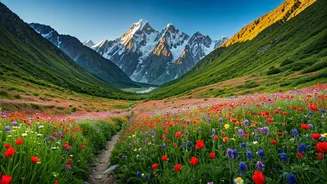
event but a rolling wave of colour that changes weekly. The engine of this spectacle is the southwest monsoon, which arrives in late June, providing the water needed for this alpine meadow to explode into life. Over 500 species of wildflowers carpet the valley floor, but what you see depends entirely on when you trek in. Each phase of the season, from the pre-monsoon greens to the post-monsoon clarity, offers a unique and breathtaking experience.
Early Season: June to Early July
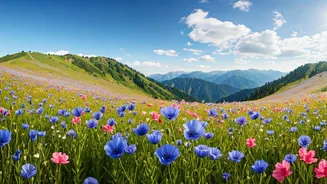
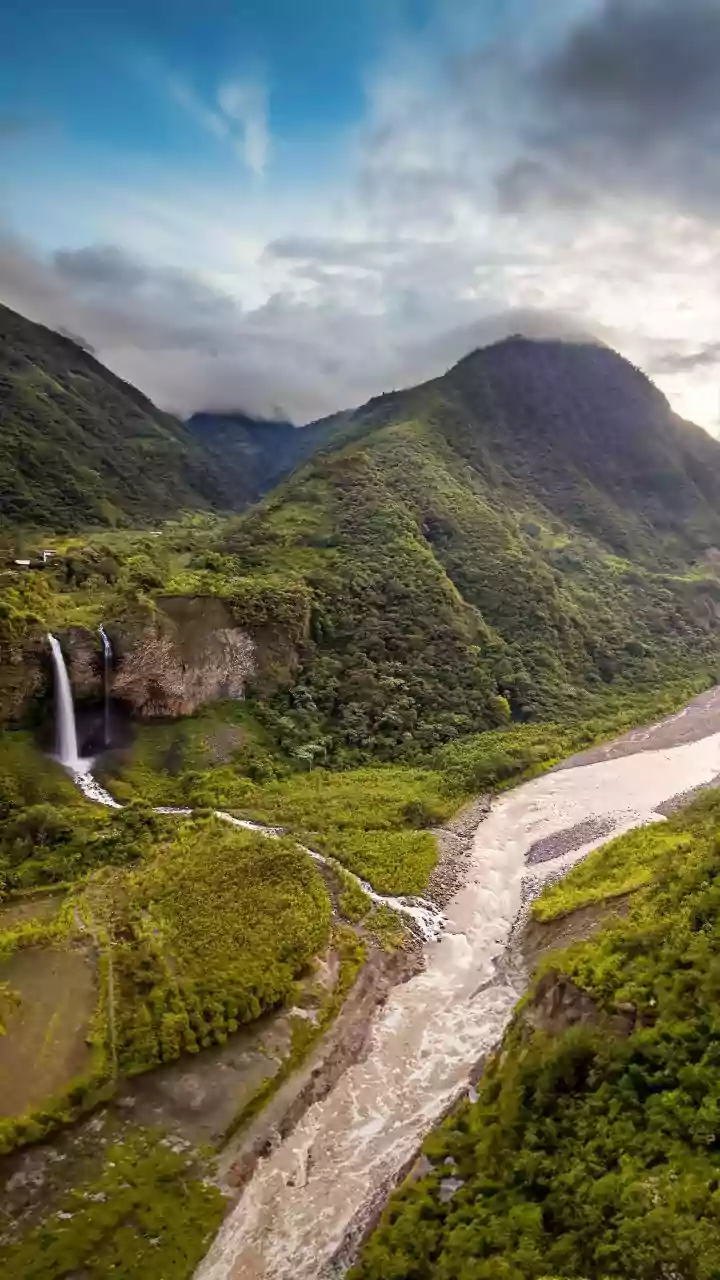
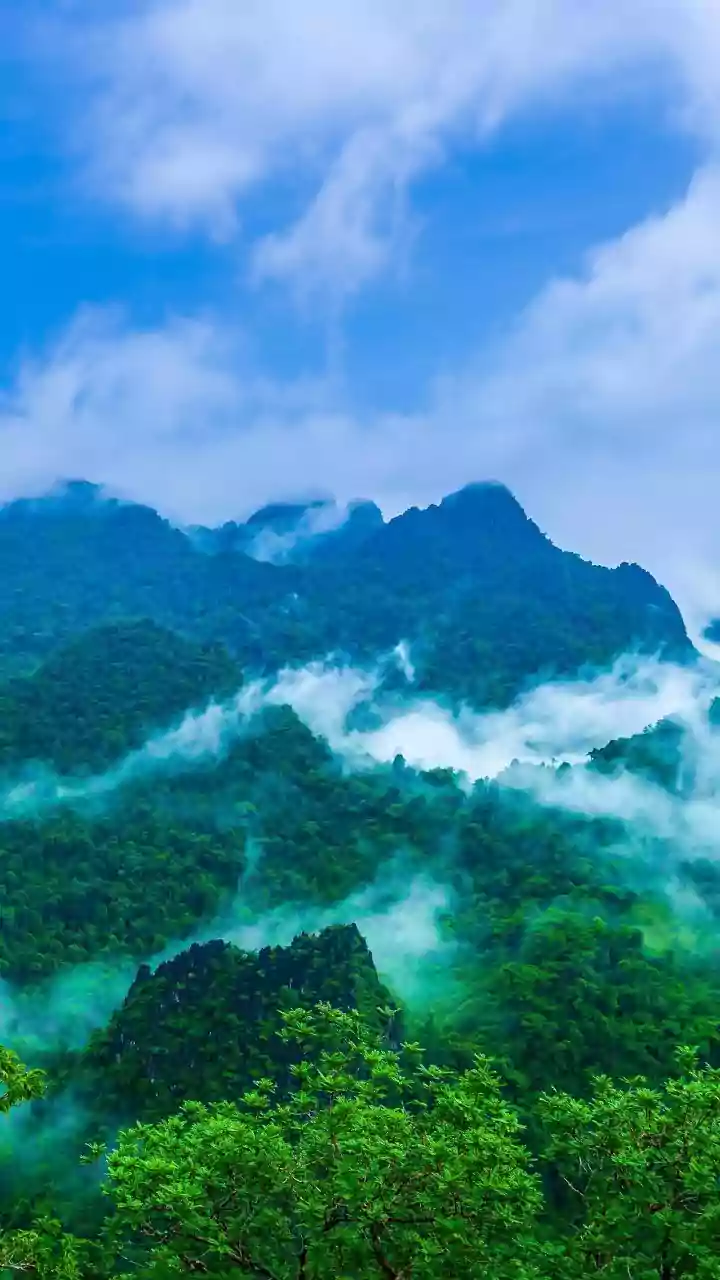
If you prefer solitude and lush, vibrant green landscapes, the early season is for you. As the snow melts and the first monsoon showers arrive, the valley awakens. You won't find the dense floral carpet of later weeks, but you will see the first wave of bloomers. Look for delicate flowers like primulas, potentillas, and wild roses dotting the landscape. The crowds are thinner, the air is crisp, and the dominant colour is a refreshing green. This is the perfect time for photographers who want to capture dramatic landscapes with clouds rolling over the peaks. The main trek from Ghangaria into the valley is also less slushy. However, if your primary goal is to see a riot of colour, it’s best to wait.
Peak Season: Mid-July to Mid-August
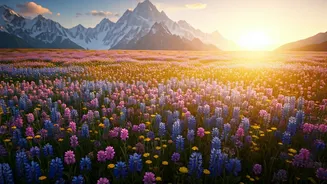
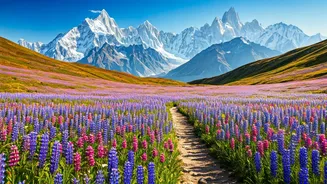
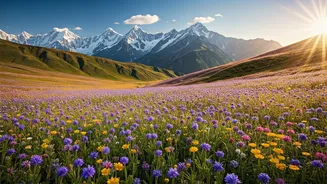
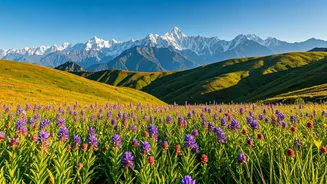
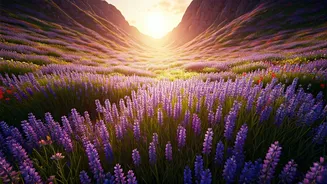
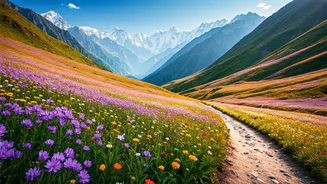
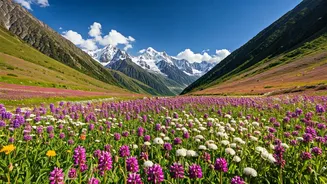
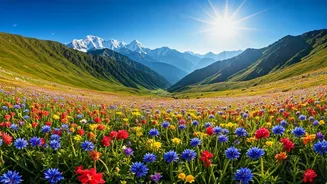
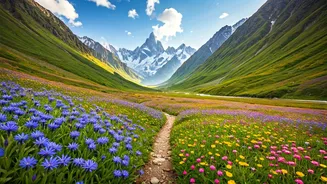
This is the 'peak bloom' most people dream of. During this five-week window, the valley is at its most vibrant and spectacular. The monsoon is in full swing, and the constant moisture fuels a staggering explosion of flowers. The landscape transforms into a multicoloured tapestry woven with hundreds of species blooming simultaneously. This is when you’ll find the highest density of flowers, including balsam, geraniums, pedicularis, and the elusive, almost mythical Blue Poppy (Meconopsis aculeata). The downside? This is also peak tourist season. The trail can be crowded and muddy, and persistent rain is almost a guarantee. You'll need good rain gear and waterproof boots, but the reward is a floral spectacle that has no parallel in India.
Late Season: Late August to September
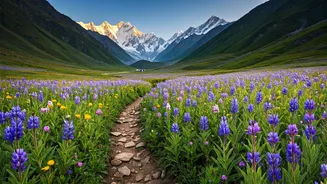
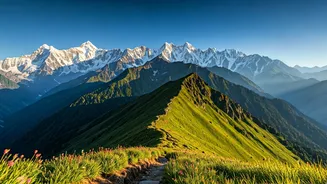
As the monsoon begins to recede, the valley undergoes another transformation. Many of the flowers from the peak season start to wilt, but a new cast of characters takes their place. This is the time for late bloomers, most notably the sacred and ethereal Brahma Kamal (Saussurea obvallata), which often blooms in higher altitudes around this period. The colours of the valley shift from vibrant pinks and blues to autumnal yellows and reds. The biggest advantage of visiting in September is the weather. With the monsoon over, you are often rewarded with clearer skies, offering stunning, unobstructed views of the surrounding snow-capped peaks. The crowds thin out considerably, giving the valley a tranquil, end-of-season feel.
The Verdict and Practical Tips
So, what are the best weeks? For the classic, postcard-perfect experience of a dense floral carpet, aim for the last week of July through the second week of August. This is the undisputed 'peak'. However, if you want a balance of good blooms, fewer people, and better weather, consider the last week of August or the first week of September. Regardless of when you go, remember to plan ahead. The trek starts from Govindghat, with an overnight stay in the base village of Ghangaria, which has limited accommodation. Book your stay in advance, especially during peak season. Pack layers and reliable rain protection. Most importantly, check the official opening and closing dates with the Uttarakhand Forest Department, as they can vary slightly each year based on weather and trail conditions.