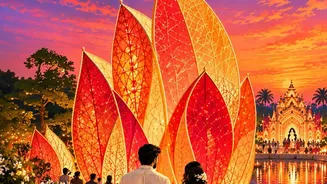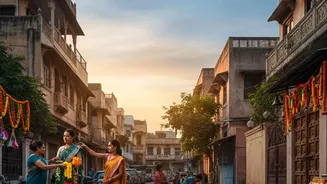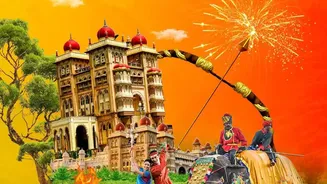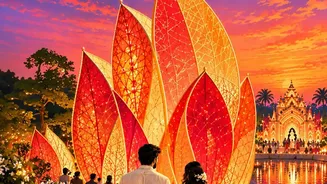




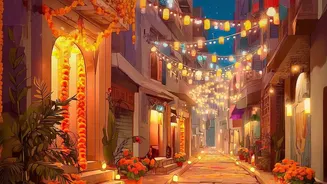
Imagine a city bathed in the golden glow of millions of earthen lamps, their light dancing on the sacred waters of a river. This is Ayodhya during Deepotsav, an unparalleled festival of light, faith, and cultural grandeur.
A River of Glimmering Lights
The heart of Deepotsav beats
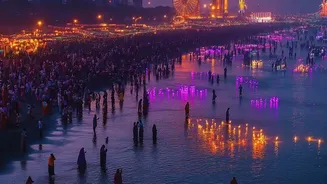
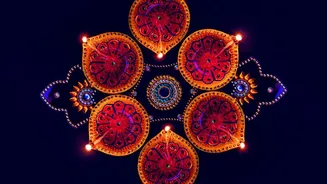
on the banks of the Saryu River, particularly at Ram Ki Paidi, a long stretch of ghats that transforms into a canvas of light. This year, the city is preparing to light a staggering number of diyas, with a target of around 3 million, in an attempt to surpass its own Guinness World Record for the largest display of oil lamps. As dusk settles on November 7th, thousands of volunteers will meticulously light each lamp, creating a breathtaking river of fire that flows along the ghats. The shimmering reflections on the Saryu's surface create a spectacle that feels both monumental and deeply personal, embodying the festival's core message: the triumph of light over darkness.
The Story Behind the Spectacle
Deepotsav is more than just a visual marvel; it is a profound celebration rooted in sacred tradition. The festival commemorates the joyous return of Lord Ram to his kingdom of Ayodhya after a 14-year exile and his victory over the demon king Ravana, as told in the epic Ramayana. According to the story, the people of Ayodhya lit lamps to welcome their beloved prince, and Deepotsav reenacts this heartfelt reception on a massive scale. Started by the Uttar Pradesh government in 2017 with just 1.71 lakh lamps, the event has grown exponentially, becoming a symbol of Ayodhya's cultural and spiritual revival.
A Fusion of Tradition and Technology
While the diyas are the main attraction, the festivities extend throughout the city, blending ancient customs with modern technology. The celebrations often begin with a grand 'Shobha Yatra,' a vibrant procession with tableaus depicting scenes from the Ramayana that winds its way through the city. The evening sky comes alive with spectacular drone shows, where hundreds of drones form images from Lord Ram's life, alongside dazzling laser shows and 3D projection mapping on historic buildings. These modern elements are paired with timeless cultural performances, including Ramleela stagings by international troupes and a collective Saryu Aarti, where over 2,100 priests chant in unison.
A City Decked in Devotion
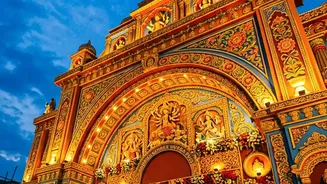
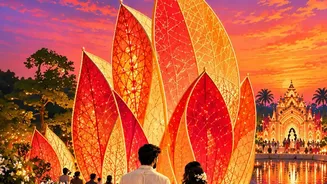
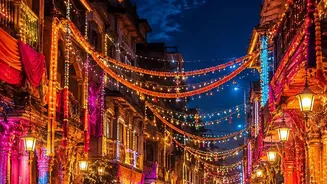
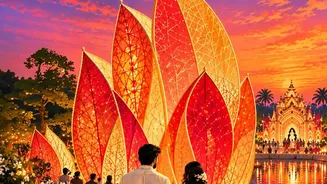
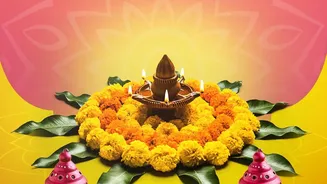
During Deepotsav, every corner of Ayodhya participates in the celebration. The main routes, like Ram Path, and major intersections are adorned with ornate gateways, floral decorations, and Ramayana-themed installations. Selfie points featuring motifs like the Pushpak Viman and Ram Darbar are set up for visitors to capture memories. The air is thick with the scent of ghee lamps and incense, and the sounds of bhajans and chants echo from temples that stay open late. It is an atmosphere of shared joy and devotion that pulls in not just pilgrims but tourists from around the globe, all eager to witness the city's transformation.
The Artisans Behind the Glow
The millions of diyas that form the centerpiece of Deepotsav are the result of months of hard work by local potter communities. In villages surrounding Ayodhya, families work tirelessly to fulfill massive orders, with some individual artisans producing lakhs of lamps. Many now use electric wheels to keep up with the immense demand, a testament to how this ancient craft is adapting. This festival has not only revived a grand tradition but has also provided a significant livelihood for these artisans, connecting them directly to one of India’s most iconic cultural events.