



The Allure of the Bamboo Canopy
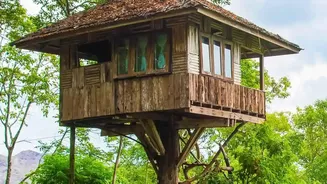
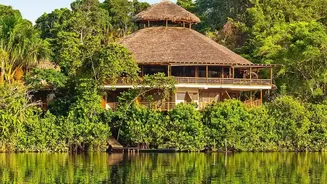
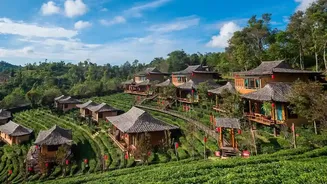
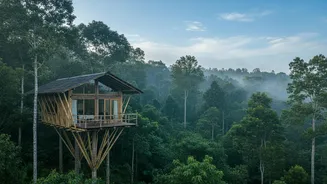
Imagine waking up to the sound of birdsong, perched high above the forest floor in a structure made almost entirely of bamboo. This is the reality at many of Wayanad's most sought-after eco-resorts. Establishments are increasingly using locally sourced,
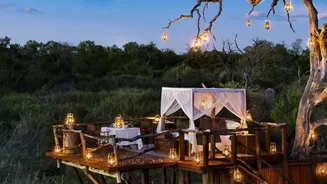
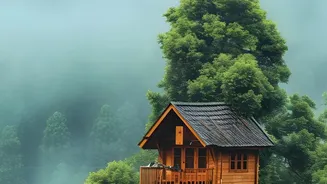
renewable materials like bamboo, reclaimed wood, and coir to construct everything from charming cottages to breathtaking treehouses. These architectural marvels, often built on stilts to preserve the natural flora and allow wildlife to pass underneath, offer an immersive jungle experience without sacrificing comfort. Resorts like Uravu Bamboo Grove are built on a philosophy of eco-friendliness and community involvement, using local artisans to create innovative designs that blend seamlessly with the landscape. This approach not only minimizes the carbon footprint but also provides guests with a unique connection to the forest, where the accommodation itself is part of the destination.
Water From the Heavens
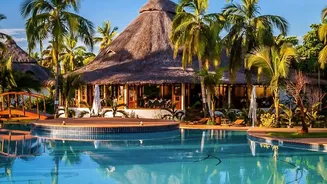
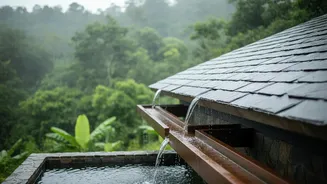
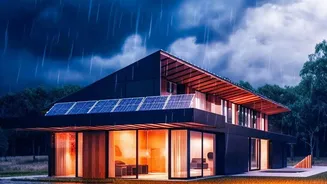
In a region blessed with abundant monsoons, it only makes sense to harness the power of rain. Many sustainable stays in Wayanad have integrated sophisticated rainwater harvesting systems into their operations. This practice is central to their eco-conscious ethos. Water collected from rooftops is channeled into reservoirs, where it is often filtered naturally and used for everything from irrigating gardens to supplying bathrooms. Some resorts have taken this a step further, creating natural swimming pools and using bioswales—landscaped channels—to help recharge the groundwater table. This commitment to water conservation reduces reliance on external sources and ensures that the tourism footprint on the local ecosystem remains as light as possible, proving that luxury and responsibility can go hand in hand.
A True Taste of the Land
The sustainable experience in Wayanad extends to the dining table. A growing number of resorts and homestays are embracing the farm-to-table concept, offering guests meals prepared with ingredients grown just steps from their rooms. Properties like The Slope and Agronest Farm invite guests to experience natural farming practices firsthand, with some offering cooking classes where you can learn to prepare traditional Kerala recipes. These establishments operate their own organic farms, cultivating seasonal vegetables, fruits, and spices without the use of chemical pesticides. This focus on hyper-local sourcing not only guarantees fresh, flavourful food but also supports the local agricultural economy and reduces food miles. Dining becomes more than just a meal; it’s an education in the region's rich agricultural heritage.
Beyond the Resort: Community and Conservation
True sustainability is about more than just green buildings and organic food; it's about people. The responsible tourism model flourishing in Wayanad places a strong emphasis on community involvement and benefit. Many eco-resorts are deeply integrated with local villages, providing employment opportunities and supporting local artisans who create traditional handicrafts from materials like bamboo. Initiatives like the Uravu Bamboo Village and homestay networks facilitated by organizations like Kabani empower local families to earn an additional income by opening their homes to travellers. This approach fosters meaningful cultural exchange, allowing visitors to experience the traditional farming culture and daily life of the region's communities, including its indigenous Adivasi populations, in a respectful way. When you stay at one of these properties, your tourism-spend directly contributes to the well-being of the host community and the preservation of their way of life.