






A New Philosophy, Not a New Recipe
The secret to better weeknight meals isn't a single magic recipe but a shift in mindset. Instead of being tied to complex, step-by-step instructions, the 'new' weeknight meal is about assembly and understanding a basic framework. It’s a method that prioritizes
speed, nutritional balance, and minimal cleanup without sacrificing flavour. This approach moves away from the pressure of gourmet cooking on a Tuesday night and towards a sustainable, repeatable system. The goal is a dinner that is 'good enough' in the best way possible: nourishing, simple, and a moment to connect rather than a source of stress.
The 30-Minute Meal Formula
At its heart, a balanced and quick meal can be broken down into a simple, flexible equation: Lean Protein + Smart Carb + A Lot of Vegetables + Flavour Booster. This isn't a strict rule but a guide. The protein could be quickly cooked chicken, paneer, eggs, or canned chickpeas. Smart carbs might be quick-cooking grains like quinoa or simply whole-wheat roti. The vegetable component should be plentiful—think a quick sabzi, a loaded stir-fry, or a big handful of spinach wilted into a curry. This modular approach allows for endless variation using what you have on hand, ensuring a complete meal every time.
Stocking Your Quick-Cook Pantry
A successful 30-minute meal strategy begins long before you start cooking; it starts at the grocery store. A well-stocked pantry is your best defence against the weeknight scramble. For an Indian kitchen, this means having essentials on hand that slash prep time. Think ginger-garlic paste, tomato puree, and canned coconut milk for instant curry bases. Pulses like masoor dal (red lentils) cook quickly and form the base of a hearty, fast meal. Keeping quick-cook grains, frozen vegetables, and versatile spice blends means you're always just minutes away from being able to assemble a wholesome dish.
Mastering Speedy Techniques
Efficiency in the kitchen comes from technique. One-pan or one-pot meals are champions of the weeknight, as they drastically reduce cleanup time. A simple sheet-pan dinner—where chicken or paneer and vegetables are seasoned and roasted together—is a game-changer. The humble pressure cooker turns tough cuts and slow-cooking dals into fast-food. Stir-frying is another classic technique designed for speed, cooking ingredients quickly over high heat. Even simple prep-ahead strategies, like chopping vegetables over the weekend or batch-cooking a grain, can save precious minutes during a busy week.
Meal Templates, Not Rigid Rules
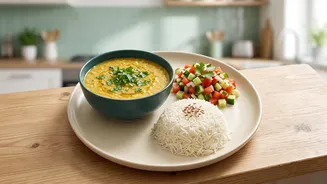
Instead of hunting for a new recipe every night, think in terms of templates. This builds confidence and reduces the mental load of decision-making. A 'Quick Curry Bowl' template, for example, is always: onion-tomato base + protein + vegetables + coconut milk, served with rice. A 'Loaded Stir-Fry' template is: protein + mixed vegetables + a simple sauce, served with noodles or quinoa. A 'Speedy Sabzi' template is: tadka (tempered spices) + quick-cooking vegetables + finishing spices, served with roti. These frameworks provide structure but also complete freedom to adapt based on what's fresh and available.