




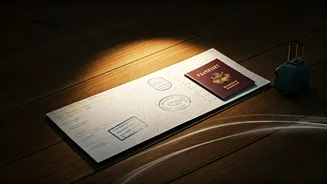



The Old Way Is Fading
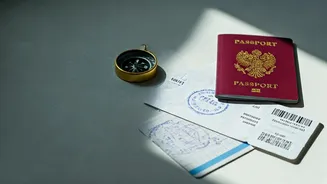
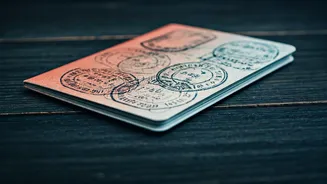
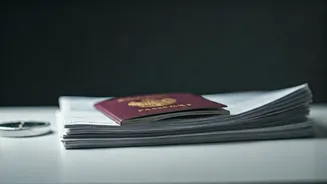
For decades, entering the Schengen Area—a bloc of 29 European countries with open borders—involved a familiar ritual for non-EU travellers: a visa sticker in the passport, followed by a manual ink stamp at the immigration counter. This process, while
functional, was largely analogue. Now, Europe is shifting to a fully digital and automated approach to manage its external borders, driven by a need for enhanced security and efficiency. This marks the most significant change to European border control in years and directly impacts every Indian planning a trip.
Meet the Entry/Exit System (EES)
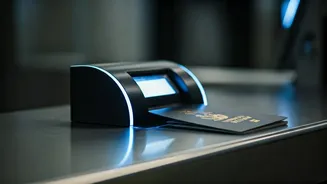
The centerpiece of this new era is the Entry/Exit System (EES). Fully operational as of April 2026, the EES is an automated IT system that replaces manual passport stamping for all non-EU short-stay travellers, including Indian citizens. When you first enter a Schengen country, your data—including a facial image and fingerprints—will be registered along with your passport details. This biometric data is then stored for three years, which means on subsequent trips within that period, border crossings should become faster. The system digitally logs your entry and exit dates, making it a significant change for all visitors. Refusal to provide this data will result in being denied entry.
How EES Affects Indian Travellers
It is crucial to understand that the EES does not change the Schengen visa requirement for Indian passport holders. You still need to apply for and obtain a Schengen visa through the usual process before you travel. The EES changes what happens at the border. Instead of a stamp, your entry is recorded digitally. The system automatically calculates your permitted stay (the 90/180-day rule), which will now be enforced much more strictly. Overstays will be flagged instantly, which can lead to fines, deportation, or future travel bans. While the goal is to streamline travel, be prepared for potentially longer queues at airports, especially during the initial rollout as travellers get used to the new kiosks and procedures.
A Note on ETIAS
You may have also heard about the European Travel Information and Authorisation System (ETIAS). It is important to know that ETIAS is not for Indian citizens travelling with an Indian passport, as it only applies to travellers from countries that are visa-exempt. ETIAS is a pre-travel authorisation, similar to the ESTA for the United States, and is expected to launch in late 2026. For the vast majority of Indian tourists, the focus should remain on the Schengen visa process and the new EES procedures at the border.
Preparing for Your Next European Trip
With these changes, preparation is key. First, ensure your documentation is flawless. This includes a valid passport, your Schengen visa, confirmed return tickets, proof of accommodation, and sufficient funds for your stay, as this may be cross-verified digitally. Second, apply for your visa well in advance, as processing times can be between 15 and 30 working days or longer. Finally, look for new opportunities. The EU has also introduced a 'cascade' system, making it easier for frequent travellers with a good history to obtain multiple-entry visas valid for two and eventually five years, simplifying future travel plans.