






The Sixty-Second Advantage
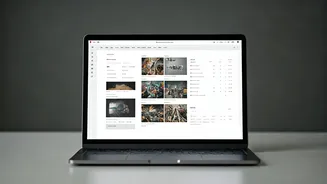
Let's be clear: this isn't about building a complex website in one minute. The “sixty-second” part refers to the consumption time, not the creation time. In today’s hyper-competitive job market, especially in India, recruiters are flooded with applications.
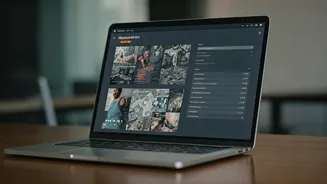
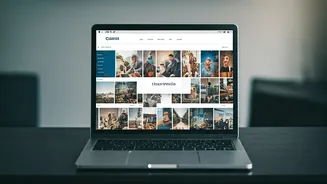
Studies have shown they spend as little as six to seven seconds scanning a traditional CV. A sixty-second digital portfolio is designed with this reality in mind. It's a single, clean web page that acts as your professional highlight reel. It’s a powerful, concise, and visually appealing summary of who you are, what you do, and why you are the best candidate for the job. Think of it as the trailer for your career; its job is to get the recruiter excited enough to watch the full movie—that is, to read your full CV and call you for an interview.
Why It Works: The Psychology of a Recruiter
Recruiter fatigue is real. After screening dozens, if not hundreds, of similar-looking resumes, their attention wanes. A link to a crisp, well-designed digital portfolio immediately stands out. It shows initiative, tech-savviness, and an understanding of modern communication. More importantly, it puts you in control of the narrative. Instead of letting a recruiter hunt for key information buried in a text-heavy CV, you present your most compelling achievements upfront. This approach respects their time, making their job easier and leaving a positive impression. By providing a curated experience, you guide their attention to your strengths, key projects, and unique value proposition, ensuring they see your best self first.
Your Essential Portfolio Ingredients
Simplicity is key. A cluttered portfolio defeats the purpose. Focus on these core elements to make a powerful impact: 1. **Professional Headline:** Right at the top, state who you are and what you do. For example: “Anjali Sharma | Product Manager Specialising in FinTech Apps.” 2. **A Clear Headshot:** A professional, friendly photo helps build a human connection. 3. **Your “Elevator Pitch”:** A two-sentence summary of your value. What problems do you solve? What are you passionate about? 4. **Quantified Achievements:** This is crucial. Instead of listing responsibilities, showcase results. Use 3-4 bullet points like: “Led a team to increase user engagement by 30% in 6 months” or “Reduced operational costs by 15% through process automation.” 5. **Links to Your Best Work:** This is your proof. Provide clear links to your GitHub profile (for developers), Behance/Dribbble (for designers), writing samples (for writers), or case studies. Choose 2-3 of your proudest examples. 6. **Clear Call to Action:** Make it easy for them to connect. Include links to your LinkedIn profile, email, and a button to download your full CV.
Choosing Your Digital Canvas
You don’t need to be a web developer to create a stunning one-page portfolio. Many tools are designed for exactly this purpose, and several are free or very affordable. Consider platforms like Carrd, which excels at creating simple, beautiful one-page sites. Tools like Linktree or Bio.link, often seen on social media bios, can also be repurposed as a mini-portfolio hub. For absolute zero cost and high flexibility, a well-structured and public Notion page or even a Google Doc saved as a PDF and hosted online can work wonders. The platform is secondary to the content. Choose a tool you find easy to use, and focus on making your content clear, concise, and compelling. The goal is a professional, clean look, not a technical masterpiece.
Integrating It into Your Job Search
Once your sixty-second portfolio is ready, you need to use it strategically. It should not replace your traditional resume but complement it. Add the link in prominent places where recruiters will see it. Include it in the header of your CV alongside your name and contact information. Add it to your email signature so it’s present in every communication. Feature it prominently on your LinkedIn profile, perhaps as the primary link in your bio. When you write cover letters or application emails, you can reference it directly: “For a quick overview of my key projects and achievements, you can visit my digital portfolio here: [your link].” It acts as a bridge, inviting recruiters to engage with your work on a deeper level before they even finish reading your resume.