





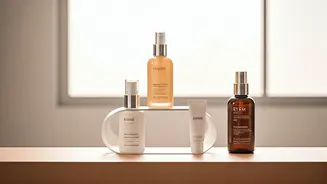


What Is Skin Cycling, Really?
Born from a viral social media trend and championed by New York dermatologist Dr. Whitney Bowe, skin cycling is a deliberate, multi-night skincare routine that alternates between using active ingredients and allowing for recovery. The core idea is simple:
instead of bombarding your skin with powerful products like exfoliants and retinoids every single day, you give it structured breaks. This prevents the irritation, redness, and damage to the skin's moisture barrier that can come from overuse. It’s less of a strict rulebook and more of a strategic framework to get the most out of your products with the least amount of stress on your skin.
The Logic Behind the Cycle
The reason dermatologists have embraced skin cycling is that it aligns with basic skin biology. Your skin has a natural protective barrier that keeps moisture in and irritants out. Over-exfoliating or using retinoids too frequently can compromise this barrier, leading to sensitivity and inflammation. A skin cycling routine is designed to prevent this by scheduling 'active' nights far enough apart to let the skin heal. Night 1 (exfoliation) preps the skin by sloughing off dead cells, which allows the retinoid on Night 2 to penetrate more effectively. The subsequent recovery nights are dedicated to hydration and repair, using ingredients like hyaluronic acid, ceramides, and peptides to rebuild the barrier, ensuring it remains strong and resilient.
A Classic 4-Night Routine
For those new to the concept, the classic four-night cycle is the perfect place to start. Always begin with a gentle cleanser each evening. For the rest of your routine, follow this pattern: Night 1: Exfoliation. After cleansing, apply a chemical exfoliant. Products with alpha-hydroxy acids (AHAs) like glycolic acid or beta-hydroxy acids (BHAs) like salicylic acid are ideal. This step helps to unclog pores and improve skin texture. Follow up with a simple moisturizer. Night 2: Retinoid. On the second night, apply a retinoid. This could be an over-the-counter retinol or a prescription-strength version. A pea-sized amount is all you need for your entire face. Retinoids are the gold standard for promoting cell turnover and stimulating collagen. Nights 3 & 4: Recovery. These nights are all about rest and repair. After cleansing, focus on hydration. Use serums and moisturizers packed with barrier-supporting ingredients. Avoid all exfoliating acids and retinoids to give your skin a complete break. After night four, you simply start the cycle over again.
Making It Work for You
While the four-night cycle is a fantastic template, it isn't one-size-fits-all. The beauty of skin cycling is its adaptability. If you have very sensitive or dry skin, you might extend the recovery phase to three nights, creating a five-night cycle. Those with oily or more resilient skin might eventually find they can shorten the cycle to three nights (one exfoliation, one retinoid, one recovery). The key is to pay attention to your skin. If you experience tightness, redness, or peeling, it's a sign to add another recovery day. You can also tailor products to specific concerns; for instance, using salicylic acid on exfoliation night for acne-prone skin or focusing on peptides during recovery nights for anti-ageing benefits.
Why It Remains a Skincare Staple
Skin cycling has moved beyond being a trend because it’s a sustainable and effective approach to long-term skin health. It simplifies routines, preventing the confusion and potential irritation of layering too many actives. This structure promotes consistency, which is crucial for seeing results. By protecting the skin barrier, it not only reduces irritation but also helps your active ingredients work better. It’s an intuitive method that works well for beginners who want to introduce powerful ingredients safely, and it remains a go-to for seasoned skincare users who want to maintain results without overwhelming their skin.