

BBD Bagh: The Imperial Core
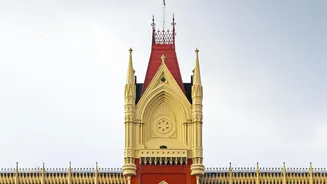
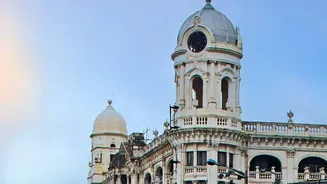
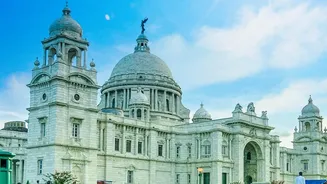
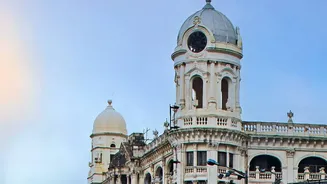
Formerly known as Dalhousie Square, BBD Bagh is the undeniable heart of colonial Calcutta. This is where the British East India Company established its administrative and commercial epicentre. A walk around the central water body, Lal Dighi, feels like
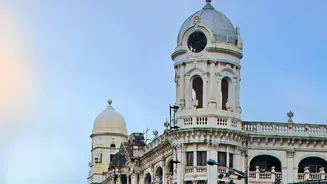
stepping back in time. The square is dominated by the imposing red-brick Writers' Building, once the office for clerks of the Company and later the seat of the Bengal government. Surrounding it are other architectural marvels like the magnificent General Post Office (GPO), with its towering dome, and St. John's Church, one of the city's oldest Anglican churches and the site of Job Charnock's historic memorial. This area was renamed B.B.D. Bagh to honour the revolutionaries Benoy, Badal, and Dinesh, who made a stand against British rule here in 1930.
College Street: A River of Books
Locally known as 'Boi Para' or the 'Book Neighbourhood', College Street is a testament to Kolkata's reputation as India's intellectual capital. It is the largest second-hand book market in India and one of the largest in the world. For nearly two centuries, this 900-metre stretch has been the hub of academic and literary life, flanked by prestigious institutions like Presidency University, the University of Calcutta, and Calcutta Medical College. The air hums with intellectual energy. The real magic, however, lies in the countless makeshift stalls where you can find everything from rare first editions to obscure academic texts. No visit is complete without stopping at the Indian Coffee House, a legendary haunt where generations of students, poets, and revolutionaries, including figures like Satyajit Ray and Amartya Sen, have gathered for impassioned conversations over coffee.
Park Street: The Original High Street
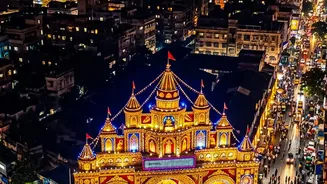
Once called Burial Ground Road, Park Street transformed into Kolkata's premier zone for recreation and nightlife. In the mid-20th century, this was 'The Street that Never Sleeps', famous for its restaurants, clubs, and live jazz music that defined the city's prolific nightlife. While some of that old-world glamour has evolved, the street retains its charm. Historic establishments like Mocambo and Trincas still serve diners, echoing tales of their glamorous past when cabaret was king. Park Street is also home to the iconic Flurys tearoom, a landmark since 1927. The street's name is believed to have originated from the deer park belonging to Sir Elijah Impey, the first Chief Justice of the Supreme Court in Calcutta. Today, it remains a culinary and entertainment hub, especially during Christmas and New Year's Eve when it is brilliantly illuminated.
Sudder Street: The Backpacker's Gateway
For decades, Sudder Street has been the first port of call for international backpackers and budget travellers visiting Kolkata. This narrow, bustling lane near the Indian Museum became a haven for hippies in the 1960s and 70s and has retained its bohemian, cosmopolitan vibe ever since. The street, named after an old court (Sadar Court), is packed with budget hotels, quirky cafes, foreign exchange kiosks, and travel agencies. But beyond its modern identity, it holds a significant literary secret. It was in a house on this very street, at number 10, that a young Rabindranath Tagore was struck by a moment of profound inspiration and penned his famous poem, 'Nirjharer Swapnabhanga' (The Awakening of the Waterfall).
Bow Barracks: A Slice of Anglo-India
Tucked away in a lane off Central Avenue is a neighbourhood that seems frozen in time. Bow Barracks is a series of distinctive red-brick residential blocks that were originally built as quarters for soldiers during World War I. After the soldiers left, the apartments became home to Kolkata's Anglo-Indian community, and the area remains a vibrant, though shrinking, hub of this unique culture. A walk through its lanes offers a glimpse into a different way of life, with its own distinct rhythm. While it is a close-knit community year-round, Bow Barracks truly comes alive during Christmas, when residents celebrate with home-brewed wine, fruit cakes, and community dances, drawing visitors from all over the city.