



Spotting the Silent Killer
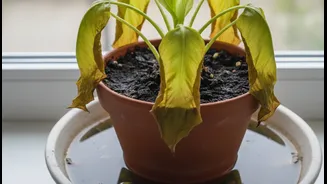
The first step to saving your plant is diagnosis. Poor drainage suffocates the roots, preventing them from absorbing oxygen and nutrients. The signs can be confusing because they often mimic those of an under-watered plant. Look for yellowing or browning
leaves, especially lower ones, and wilting or drooping even when the soil is damp. Other tell-tale signs include slow or stunted growth, leaves dropping unexpectedly, and a sour or musty smell coming from the pot, which indicates the soil is waterlogged and fostering fungal growth. If you're brave enough to investigate further, gently slide the plant out of its pot. Healthy roots are typically firm and white or light-coloured. Roots suffering from rot will be brown or black, soft, and mushy to the touch.
Understanding the Root Cause
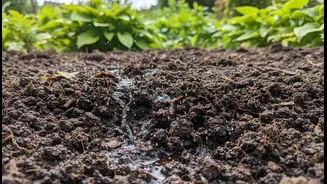
Several factors contribute to poor drainage. The most common issue is using a pot without drainage holes. While decorative pots are attractive, they trap water at the bottom, creating a swampy environment for the roots. Another major cause is compacted soil. Over time, or if the initial potting mix is too dense, the soil particles press together, eliminating the air pockets necessary for water to flow through and for roots to breathe. This is especially common in heavy, clay-like soils. Using the wrong type of soil for your plant is also a frequent mistake. Succulents and cacti, for example, need a gritty, sandy mix, while tropical plants might prefer a mix that retains some moisture but still drains well. Simply put, when water has nowhere to go, the roots begin to drown.
Choosing the Right Home for Your Plant
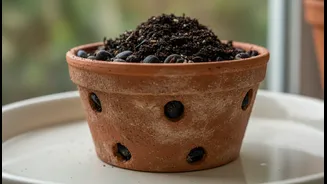
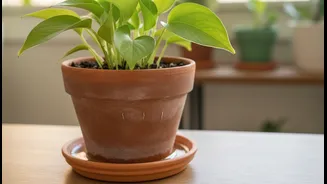
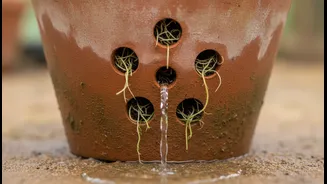
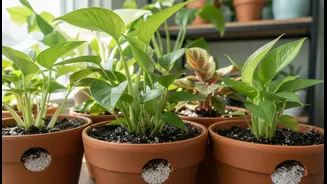
The container you choose is your first line of defence against drainage problems. Always prioritize pots with at least one, and preferably multiple, drainage holes at the bottom. This allows excess water to escape freely. If you’ve fallen in love with a decorative pot that lacks holes, you have a couple of options. You can try to carefully drill holes yourself, or use it as a 'cachepot'. This means keeping your plant in a simple plastic nursery pot with drainage holes, and placing that inside the decorative one. Just be sure to empty any water that collects in the outer pot after watering. The material of the pot also matters. Terracotta pots are porous, allowing air and water to move through the sides, which helps the soil dry out faster. This makes them ideal for plants that prefer drier conditions, like many native Indian varieties adapted to monsoon climates.
Building a Better Foundation
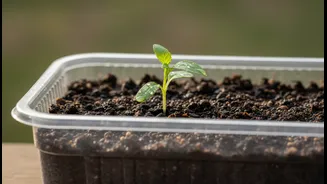
Even the best pot is useless without the right soil mix. A good potting mix provides support, nutrients, and, crucially, proper drainage. You can easily improve a standard bag of potting soil by adding amendments to increase aeration. Materials like perlite (lightweight volcanic glass) or coarse sand create air pockets within the soil, allowing water to pass through more easily. For a simple and effective homemade mix, try combining one part coco peat or compost, one part potting soil, and one part perlite or coarse sand. Coco peat, a sustainable byproduct of coconut husks, is excellent at retaining some moisture while also improving drainage. Avoid using garden soil on its own for potted plants, as it can be too dense and may contain pests or diseases.
An Emergency Guide to Saving Your Plant
If you suspect your plant is already suffering from root rot, immediate action is required. Gently remove the plant from its pot and rinse the soil from its roots. Inspect the root system carefully and, using clean, sharp scissors, trim away any roots that are black, brown, or mushy. Healthy roots should be left intact. If you have to remove a significant portion of the roots, you may need to prune some of the plant's foliage as well to reduce stress on the diminished root system. Next, repot the plant in a clean pot with fresh, well-draining soil. Do not reuse the old, waterlogged soil, as it may contain harmful fungi. After repotting, water it lightly and place it in a spot with indirect sunlight to allow it to recover without the added stress of intense heat.