


Why Rain Increases Food Risk
The primary culprit during the rainy season is the combination of high humidity and ambient temperatures, which accelerates microbial growth. Relative humidity above 60% allows bacteria, moulds, and yeasts to multiply rapidly on food and kitchen surfaces.
This means that foods like dairy, meat, cooked rice, and even cut vegetables spoil much faster than they would in drier conditions, increasing the risk of food poisoning and other stomach infections. This environment is particularly favourable for pathogens like Salmonella and E. coli, which are common causes of foodborne illness during the monsoon.
Mind Your Water, Wash Your Produce
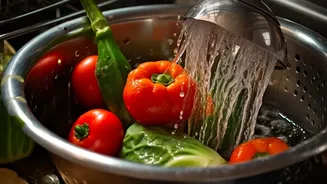
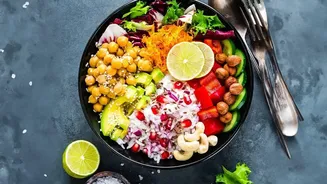
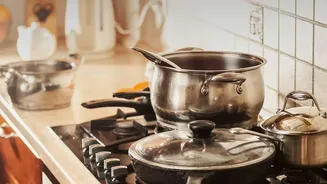
Heavy rainfall can lead to the contamination of public and private water supplies with sewage, pesticides, and other pollutants. This makes it crucial to ensure the water you use for drinking, cooking, and washing produce is safe. Always use filtered or boiled water. When it comes to fruits and vegetables, wash them thoroughly under clean, running water. Soaking them in a solution of salt water or vinegar can help remove lingering germs. During this season, it is safer to consume cooked vegetables rather than raw salads, as high cooking temperatures kill harmful pathogens.
Master Your Refrigerator and Storage
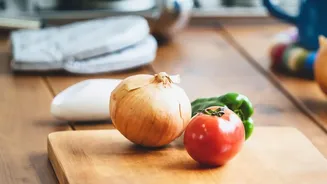
Proper storage is one of your best defences against the humid assault on your food. Perishable items should be refrigerated promptly at or below 4°C to slow bacterial growth. Use airtight containers for both dry goods and leftovers; this prevents moisture from turning things like flour and spices mouldy and keeps contaminants away from cooked food. It is also wise to keep raw meat and vegetables separate from cooked items inside the fridge to avoid cross-contamination. Avoid leaving food, especially cooked meals, at room temperature for extended periods.
Navigating Street Food and Power Cuts
While tempting, street food carries a higher risk during the monsoon. Unhygienic handling, exposure to flies, and the use of potentially contaminated water make it a common source of infections like typhoid and gastroenteritis. If you do eat out, choose vendors who maintain high standards of cleanliness and serve food freshly cooked and hot. Power outages are also a frequent concern during this season. A refrigerator will keep food safe for about four hours without power if the door remains closed. After that, perishable foods like milk, meat, and leftovers should be discarded to avoid risk. Never taste food to check its safety; if in doubt, throw it out.