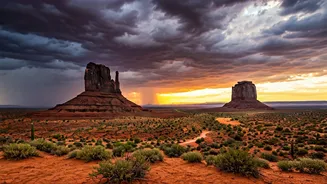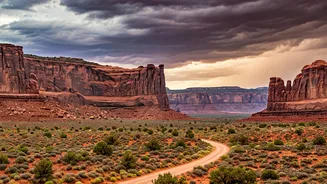



Chiricahua National Monument, Arizona
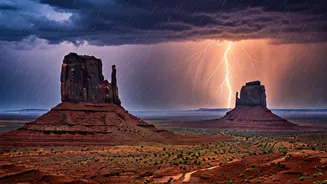
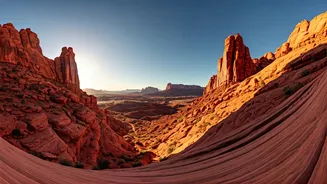
Known as the “Wonderland of Rocks,” this remote southeastern Arizona park becomes something otherworldly during the monsoon. The towering rhyolite rock spires, eroded into fantastical shapes, serve as a dramatic stage for the storm. Before the rain, the air
grows thick and heavy. Then, dark, anvil-shaped clouds build over the peaks, and the first fat drops of rain hit the hot stone with a sizzle. The magic here is auditory and olfactory. The deep rumble of thunder echoes between the hoodoos, and the air fills with the sharp, clean scent of wet pine and damp earth. When the storm passes, temporary waterfalls cascade down the rock faces, and the sky puts on a spectacular sunset show, painting the wet landscape in fiery oranges and purples. It’s a full sensory immersion into the power of a desert storm.
Jemez Mountains, New Mexico
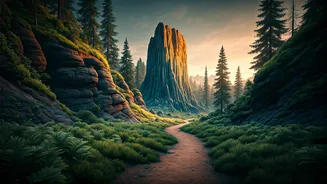
Nestled between Santa Fe and Albuquerque, the Jemez Mountains offer a lush, high-altitude escape that truly comes alive with the monsoon. The season transforms the pine-covered slopes and vast Valles Caldera. Here, the magic is in the contrast. One moment you're hiking under a brilliant blue sky; the next, you're watching magnificent thunderheads gather over the caldera’s rim. The storms roll in fast and hard, drenching the landscape and leaving behind a world that feels washed clean. The scent of ponderosa pine and wet meadows is intoxicating. Afterward, sunlight breaks through the clouds, illuminating the glistening forests and often creating double rainbows that arc across the immense volcanic crater. For a truly special experience, a post-storm soak in one of the area's natural hot springs, with steam rising to meet the cool, rain-freshened air, is pure bliss.
Canyon de Chelly, Arizona
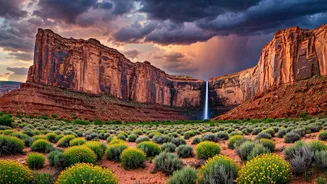
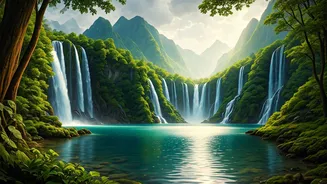
While many national monuments see fewer visitors during monsoon season, Canyon de Chelly becomes even more profound. This sacred Diné (Navajo) land, with its sheer sandstone walls rising up to 1,000 feet, is a channel for spectacular weather. The true magic reveals itself as rain begins to fall. What were bone-dry cliff faces moments before suddenly sprout ephemeral waterfalls, or “tééh” in Navajo. These silver ribbons of water plunge hundreds of feet into the canyon below, creating a mesmerizing and humbling spectacle. The sound of the waterfalls, combined with the echo of distant thunder, feels ancient and powerful. This isn't just weather; it's a spiritual cleansing of the land. Viewing the storms from the canyon rim, watching as curtains of rain sweep across the landscape where people have lived for millennia, connects you to a timeless natural cycle.
Organ Mountains, New Mexico
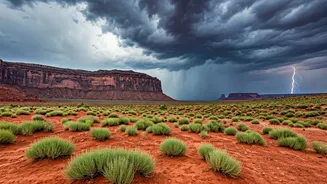
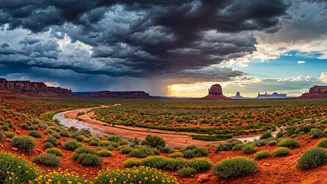
Just east of Las Cruces, the jagged, granite spires of the Organ Mountains-Desert Peaks National Monument are nature's lightning rods. During the monsoon, they catch and shred passing storms, creating a light show of epic proportions. The experience here is one of raw, untamed power. The best approach is to find a safe vantage point in the valley and watch the drama unfold from a distance. The stark, Chihuahuan Desert landscape provides a minimalist backdrop for the sky’s fury. As dusk falls, the mountains become a dark silhouette against a sky boiling with clouds and lit from within by flickers of lightning. The air, thick with the smell of wet creosote—that quintessential desert rain scent—feels electric. It’s a primal and deeply moving display that reminds you of nature’s raw artistry.
Tucson's Sonoran Desert
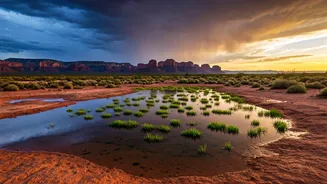
You don't always have to venture deep into the wilderness to find monsoon magic. The area surrounding Tucson, particularly Saguaro National Park, offers one of the most classic and accessible monsoon experiences. The magic here is iconic: the silhouette of a giant saguaro cactus against a bruised-purple sky, split by a fork of lightning. The storms often roll in during the late afternoon, offering relief from the summer’s intense heat. The ground, baked for months, eagerly soaks up the rain, releasing the beloved fragrance of creosote bush and desert dust. Driving the loop roads in the park after a storm, you’ll see the desert transformed—colors are more vibrant, wildlife emerges to drink from temporary pools, and the entire ecosystem seems to breathe a collective sigh of relief. It’s a perfect introduction to the beauty of the desert rain.