




The North vs. South Pandal Divide
Choosing which pandals to visit can be daunting. A good strategy is to focus on one area at a time: North or South Kolkata. North Kolkata is the heart of tradition, home to some of the city's oldest pujas. Pandals like Bagbazar Sarbojanin, Kumartuli Park,
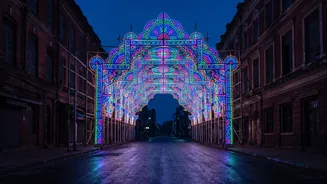
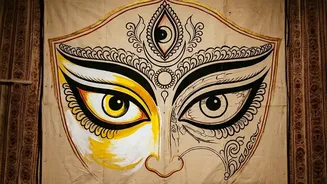
and Ahiritola Sarbojanin offer a glimpse into the festival's rich heritage, often featuring classic 'daaker saaj' idols. The lanes are narrow and the atmosphere is more devotional. South Kolkata, on the other hand, is the epicentre of theme-based pujas. Organisers like Ekdalia Evergreen Club, Suruchi Sangha, and Tridhara Sammilani are famous for their grand, innovative concepts and artistic installations that often carry social messages. While North offers nostalgia, the South is a showcase of artistic competition.
Your Smartest Travel Hack: The Metro
During the five main days of Puja—Shashthi to Dashami (October 16 to October 21, 2026)—Kolkata's roads are choked with traffic and pedestrians. Driving is not recommended. Your best friend for pandal-hopping is the Kolkata Metro. Metro Railway runs special all-night services on the main Blue Line (Dakshineswar to Kavi Subhash) and Green Line (Howrah Maidan to Salt Lake Sector V) during Saptami, Ashtami, and Navami, often operating from 1:00 PM until 4:00 AM. Plan your pandal visits around metro stations. For North Kolkata, Shyambazar and Sovabazar Sutanuti stations are key hubs. For the South, stations like Jatin Das Park (for Tridhara), Kalighat (for Badamtala Ashar Sangha), and Rabindra Sarobar are excellent starting points. Keep in mind that police often set up barricades far from the pandals, so be prepared for a fair bit of walking even after you exit the metro.
Strategic Timing Is Everything
To avoid the worst of the crowds, timing is crucial. The lightest crowds are found in the early morning, from as early as 5:00 AM until about 10:00 AM. This is the best time for photographers or anyone wanting a peaceful darshan. The city begins to stir after noon, and crowds swell to their peak from 7:00 PM onwards, lasting well past midnight. Maha Ashtami (October 19, 2026) generally sees the heaviest footfall. If you want to experience the electric, sleepless energy of the festival, late-night pandal-hopping between 1:00 AM and 4:00 AM on the main Puja days is an unforgettable experience, made possible by the all-night metro services. A flexible approach works best; if one pandal has an impossibly long queue, move on to the next one and perhaps return later.
Pandal Etiquette and Practical Tips
With millions on the streets, a few practical considerations go a long way. Wear comfortable footwear, as you will be walking and standing for hours. Cotton or other breathable fabrics are advisable, as Kolkata remains humid even in October. Carry a refillable water bottle, a power bank for your phone, and some cash, as digital payments may not work everywhere amidst network congestion. Kolkata Police advises that pandals must have separate entry and exit points to manage crowds, so follow the designated flow. Be mindful of your surroundings, especially in crowded spaces. While the food is a major attraction, stick to stalls that look clean and are popular to avoid an upset stomach. Local authorities are also making efforts to repair rain-damaged roads before the festival, but some routes may still be challenging.