



Why Your Next Car Will Cost More
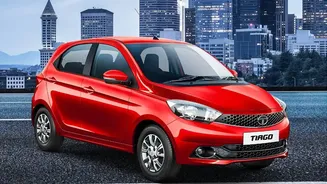
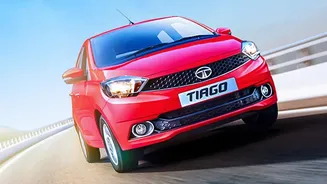
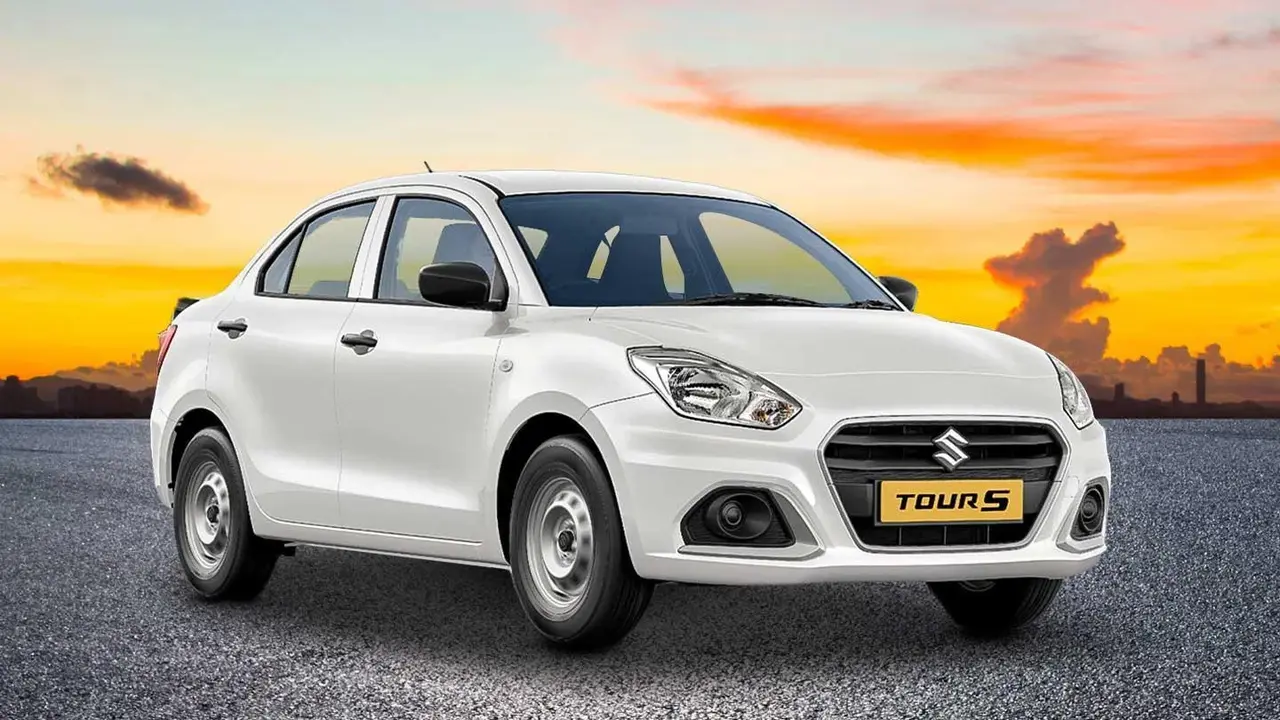
Across the board, major automakers in India have been announcing price hikes throughout 2026. Companies like Tata Motors, Maruti Suzuki, and Hyundai have all confirmed increases, citing a perfect storm of economic pressures. A primary driver is the rising
cost of raw materials and commodities. Everything from steel and aluminium to the components in EV batteries has become more expensive. This is compounded by sustained inflationary pressures and geopolitical uncertainties that disrupt global trade and energy markets, adding to operational and freight expenses for manufacturers. While automakers state they are absorbing a significant portion of these increased costs, a part of the burden is inevitably being passed on to the customer, with hikes of up to ₹25,000 being announced for certain models.
The Undeniable Shift to SUVs
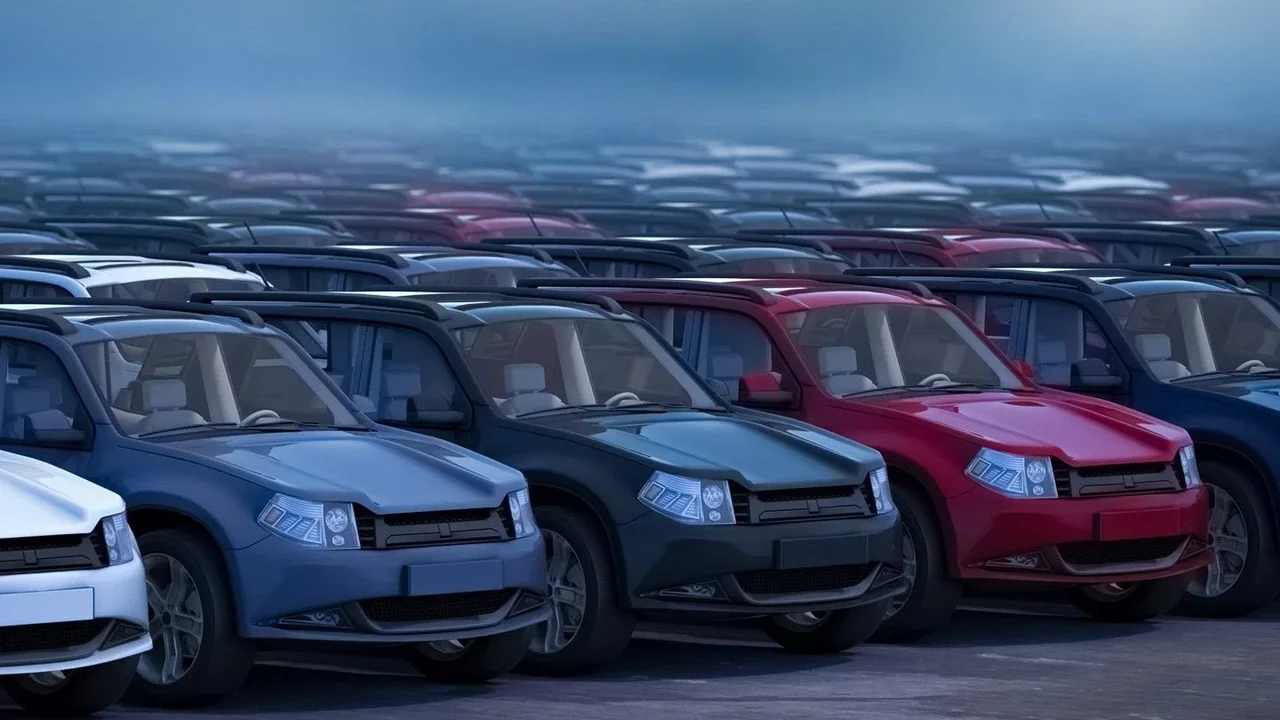
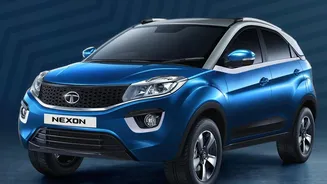
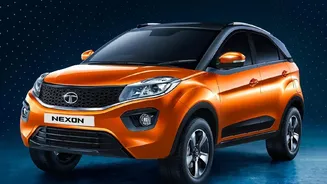
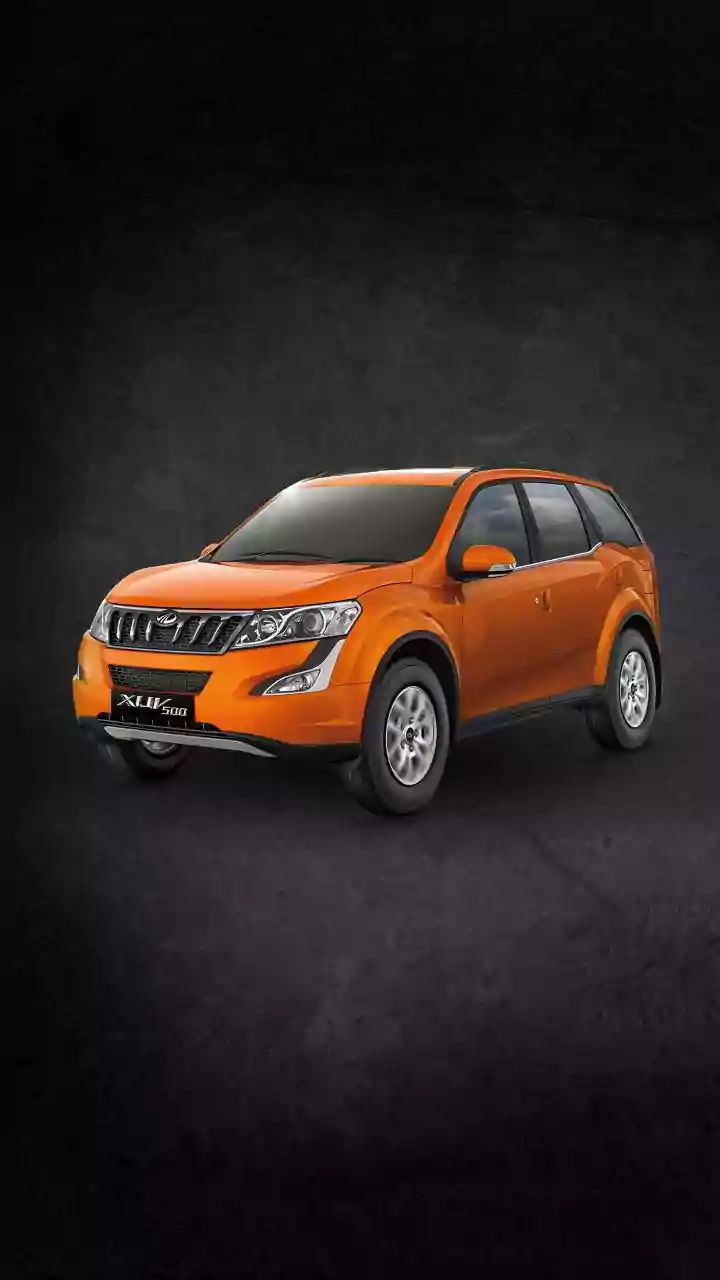
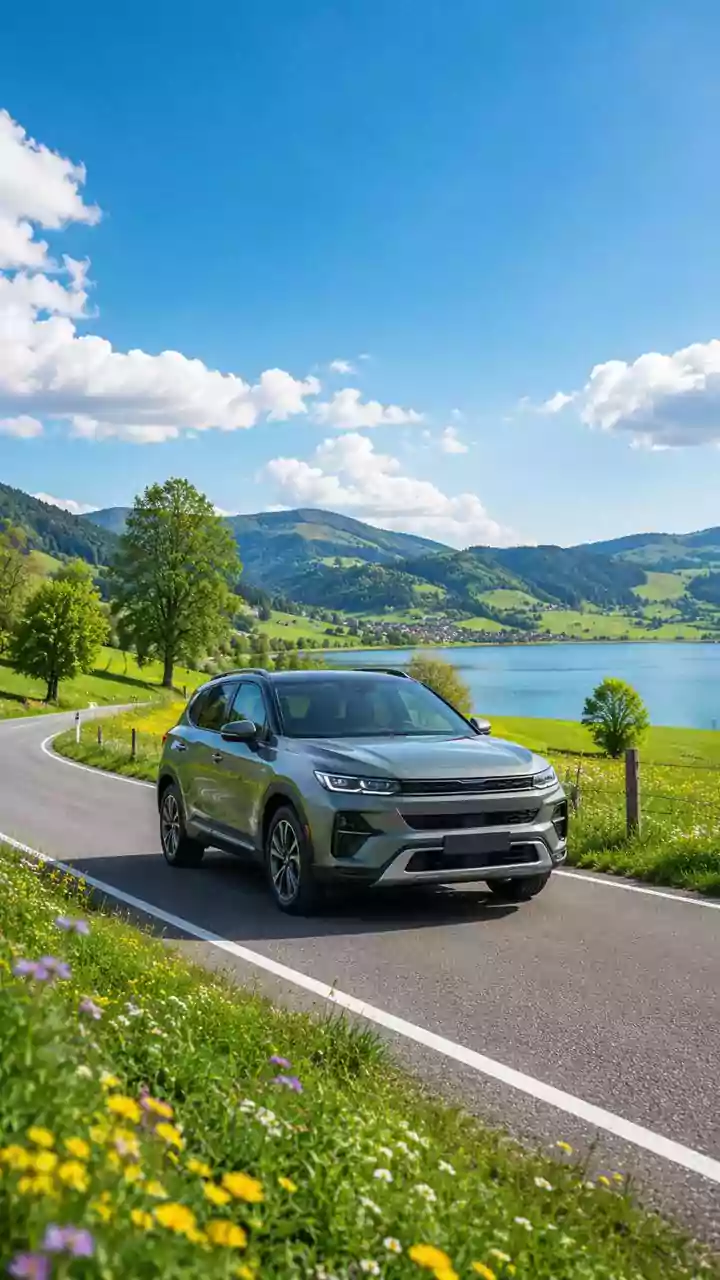
Even as prices rise, one trend is accelerating: India’s love for the Sports Utility Vehicle (SUV). For years, the small, affordable hatchback was the undisputed king of Indian roads. Now, SUVs command the majority of the market share. This isn't just about status; it’s a practical choice. Buyers are drawn to the higher ground clearance for Indian roads, better road presence, and more spacious interiors. This trend is so powerful that even with rising prices, buyers are not necessarily downsizing. Instead, many are prioritizing the SUV form factor, sometimes by extending their budget or compromising on other features. The growth is particularly strong in the mid-size SUV segment, indicating a 'premiumisation' trend where consumers are willing to pay more for vehicles that offer greater comfort and versatility.
Safety and Features Are No Longer Optional
The modern Indian car buyer is more informed and discerning than ever. The era of the bare-bones entry-level car is fading. Research shows that safety is now a top purchase factor, with features like six airbags, Electronic Stability Control (ESC), and high crash-test ratings becoming major considerations. Similarly, technology such as large infotainment systems and connected car features are increasingly expected. This demand for more sophisticated and safer vehicles contributes to the overall price increase, as these technologies add to manufacturing costs. Buyers are demonstrating they would rather pay more for a safer, better-equipped car than settle for a basic model, further changing the product mix on offer.
The Pre-Owned Market's Moment
For those priced out of the new car market or seeking better value, the used car segment is booming. Once seen as a compromise, buying a pre-owned vehicle is now a mainstream and often smarter choice for many, including a large number of first-time buyers. The primary driver is affordability; a buyer can often get a higher-segment or better-equipped used vehicle for the price of a new entry-level car. The growth of organised digital platforms has transformed this market, bringing transparency, trust, and easier access to financing. Analysts project the Indian used car market will continue to grow at a faster pace than the new car market, making it an increasingly important part of the automotive ecosystem.
The Road Ahead for Buyers
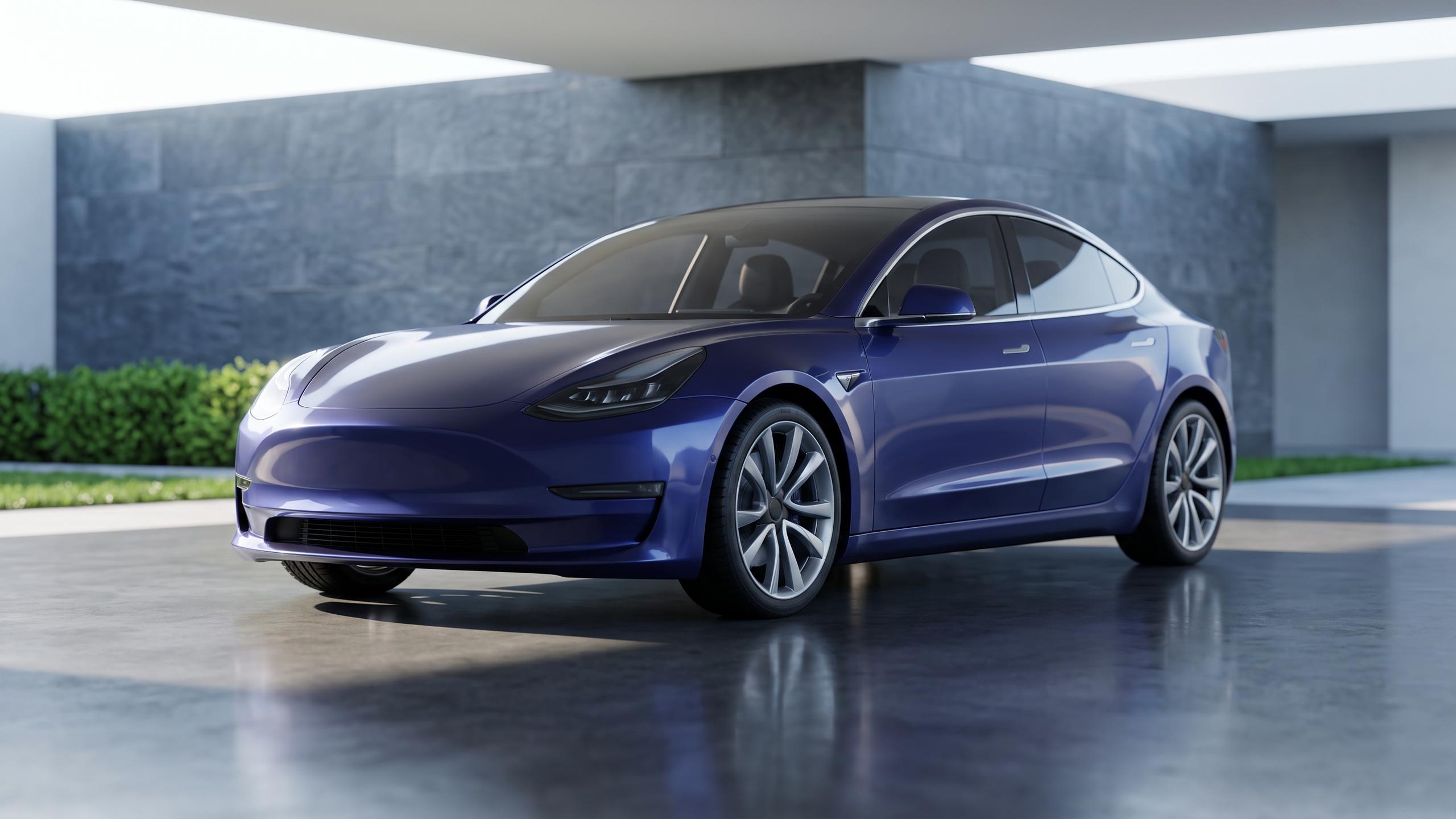
The combination of rising prices and shifting preferences is creating a new landscape. While overall car sales remain strong, the choices people make are evolving. The focus on total cost of ownership is also growing, which is accelerating interest in alternatives like CNG and Electric Vehicles (EVs). Rising fuel costs, in particular, are making buyers consider the long-term running expenses, not just the initial sticker price. As we move forward, the Indian car buyer is becoming more value-conscious than just price-conscious. This means balancing the upfront cost with feature lists, safety ratings, fuel efficiency, and even resale value, making the car-buying decision a more complex and calculated one than ever before.